Days 1–3
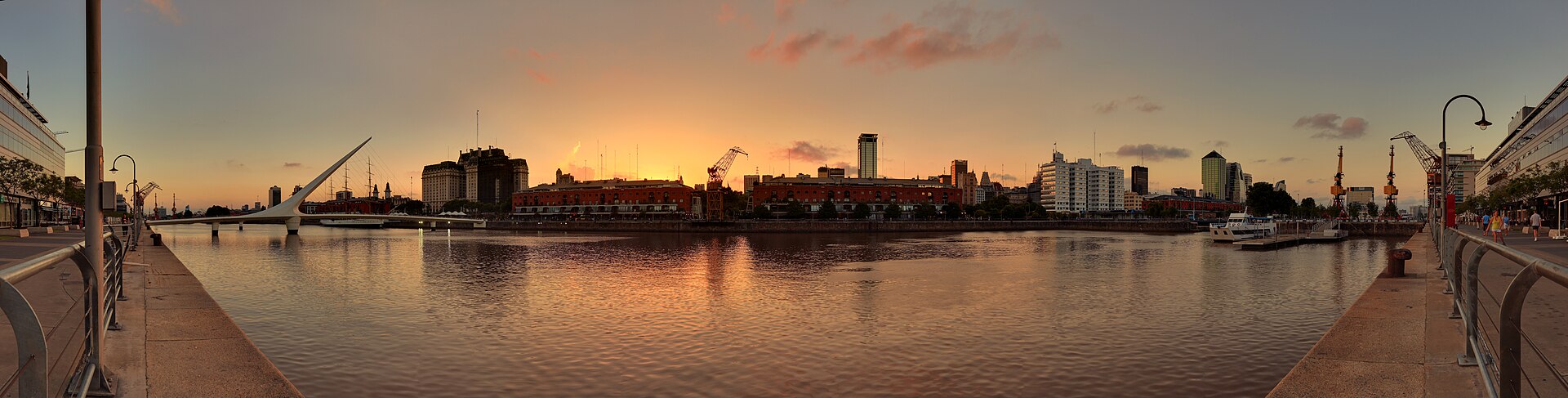
Buenos Aires
In Buenos Aires, a river capital shaped by migration and political struggle, you walk Plaza de Mayo, eat at a working neighborhood table and hear live tango.
I design journeys to places of power for those who want to travel deeper
40–50-day Argentina journey with a Brazil day
Drive from Buenos Aires to Mendoza, then climb through wine country and the high Puna before turning east to Iguazú Falls. Jesuit missions and Iberá's wildlife-rich wetlands bring the great northern circle home.
Designer's note
I would take this circle clockwise, giving the Andes time to rise from Mendoza's vineyards into the high Puna. Iguazú then arrives in thunder and spray, while Iberá gives the final days wildlife, water and a slower road back to Buenos Aires.
Alex
Journey designer
In Buenos Aires, a river capital shaped by migration and political struggle, you walk Plaza de Mayo, eat at a working neighborhood table and hear live tango.
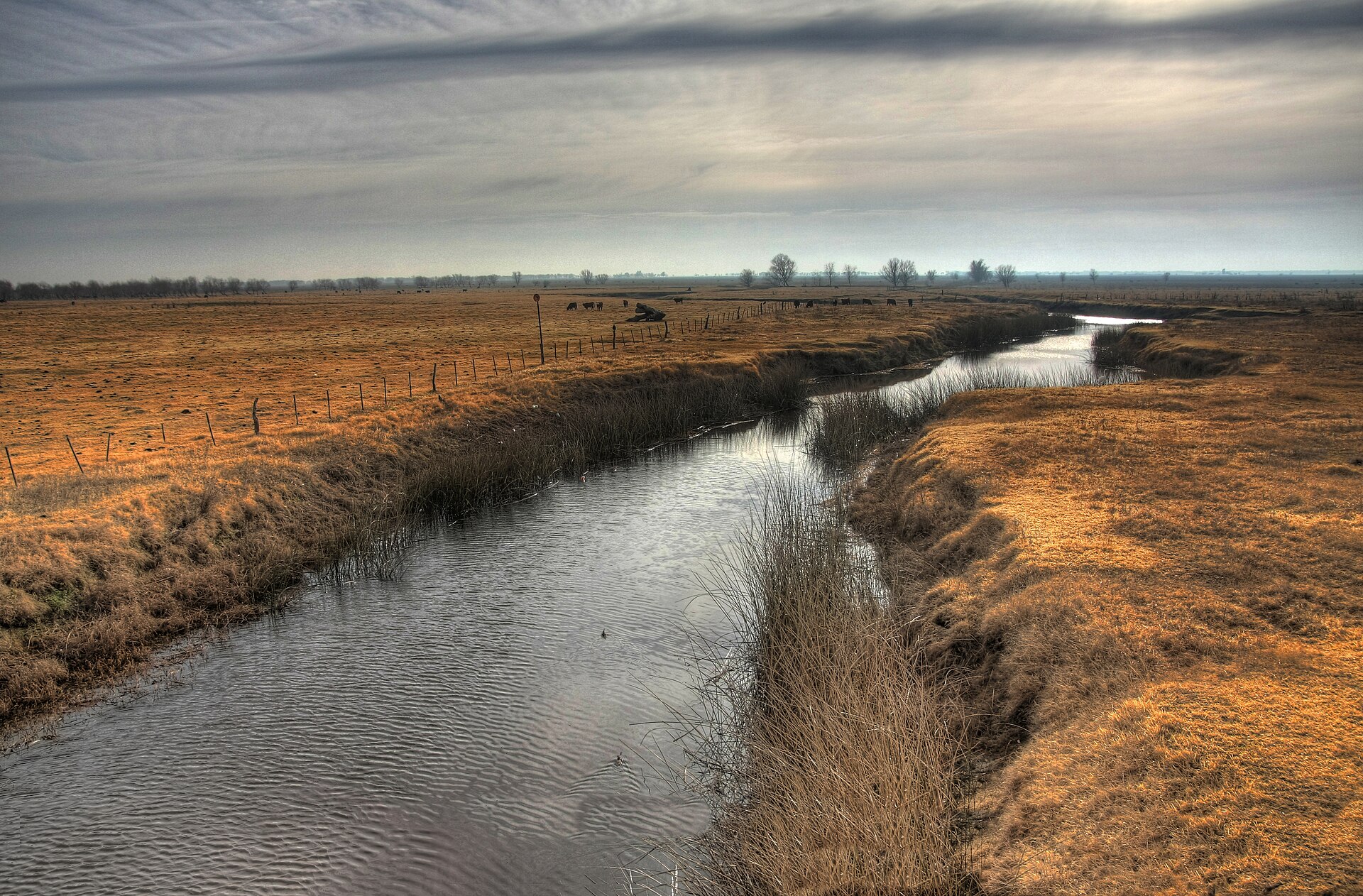
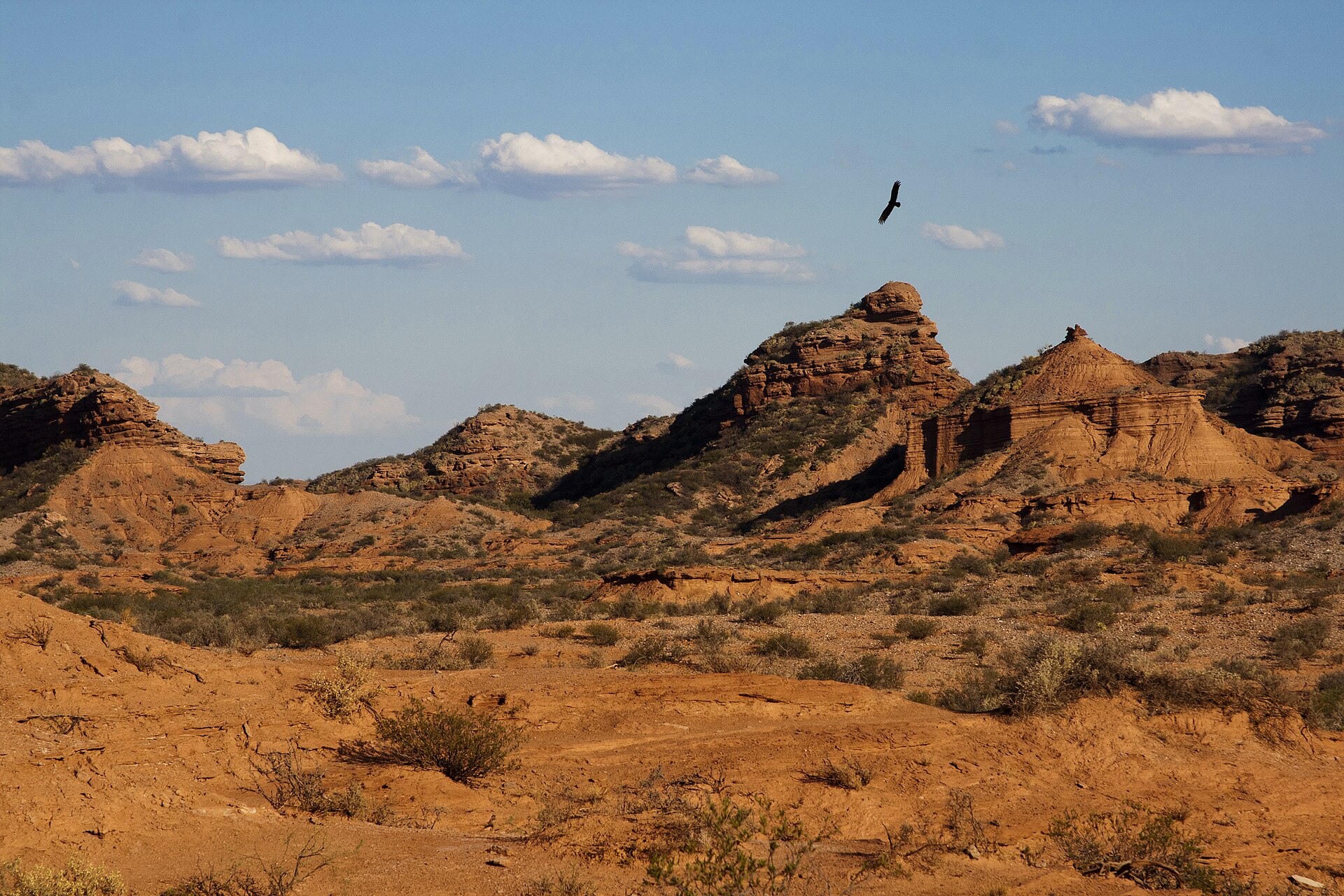
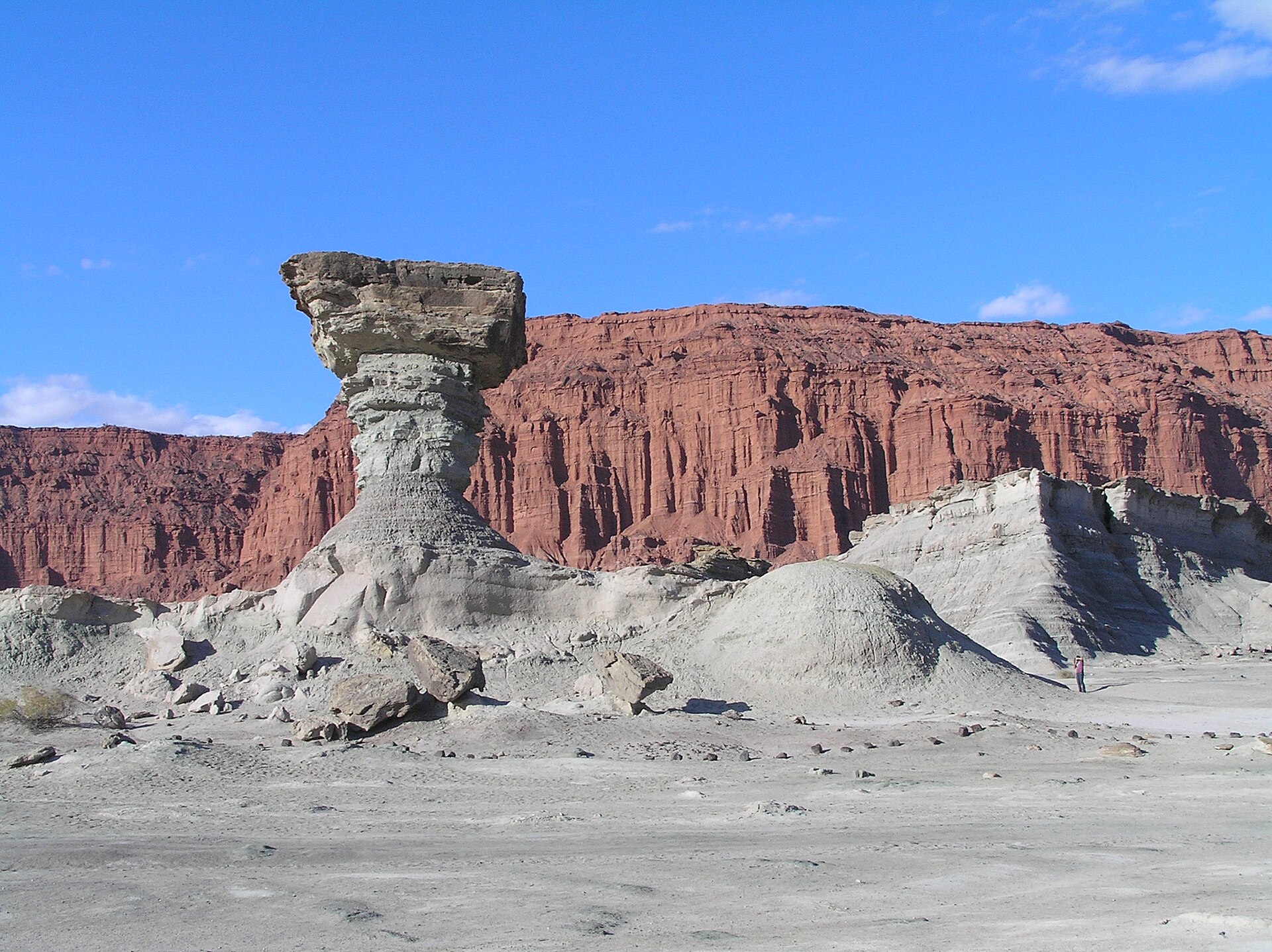
Across the Pampas, Argentina's agricultural heartland, you ride with gauchos on a working estancia before walking the red cliffs and fossil-bearing basin of Sierra de las Quijadas.
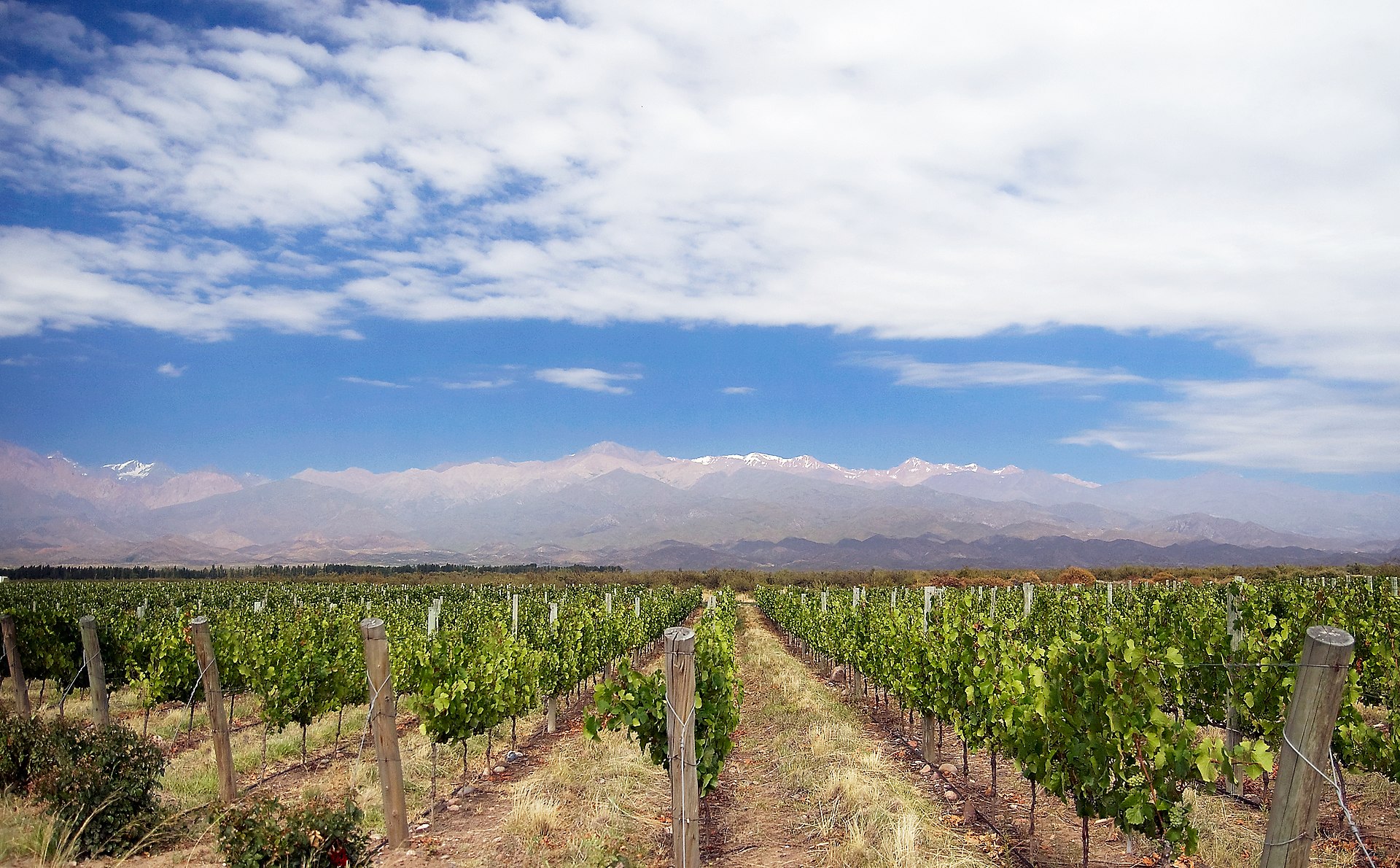
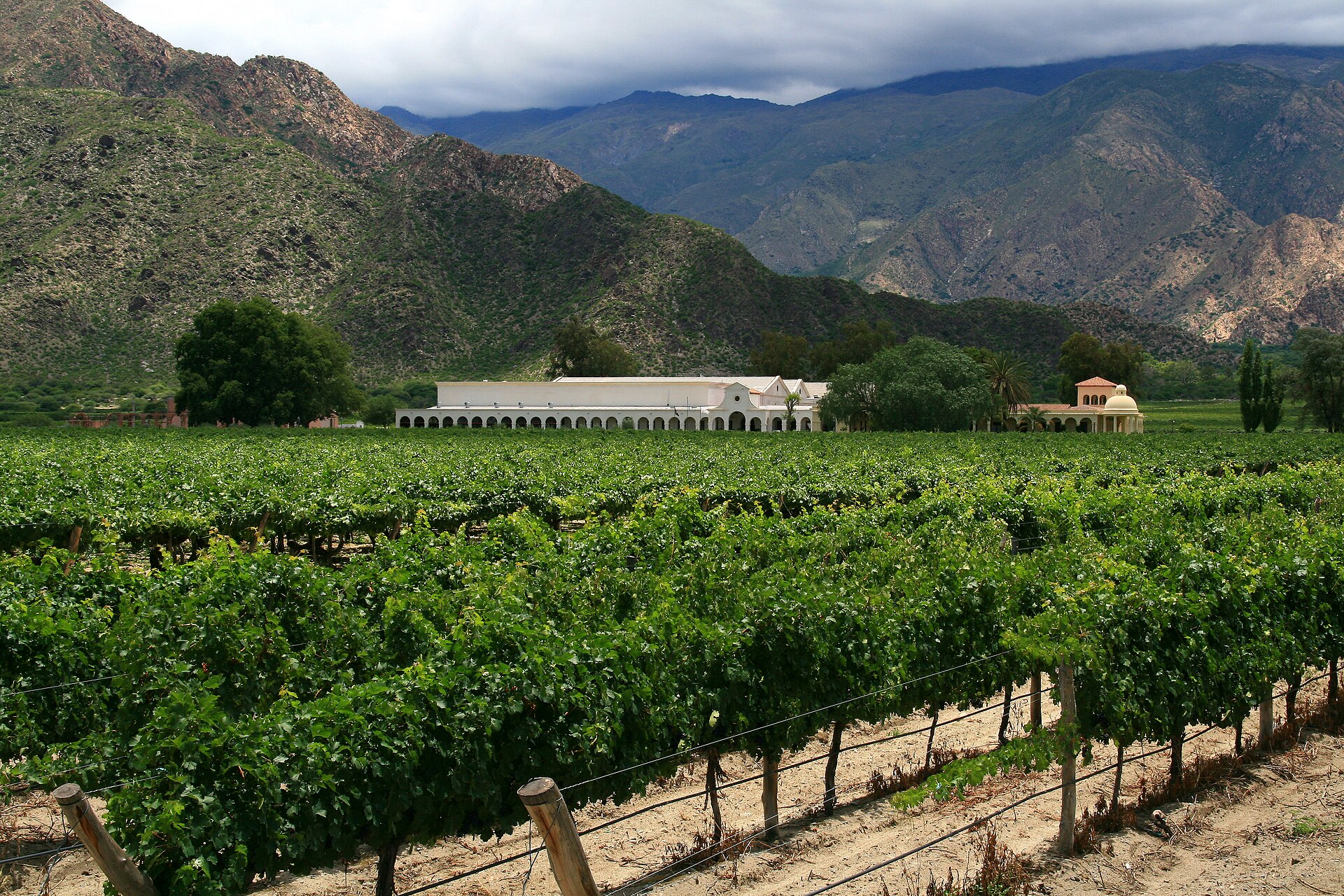
In Mendoza, an oasis engineered from Andean snowmelt, you walk vineyards with a grower, taste high-altitude wines and follow the mountain corridor toward Aconcagua.
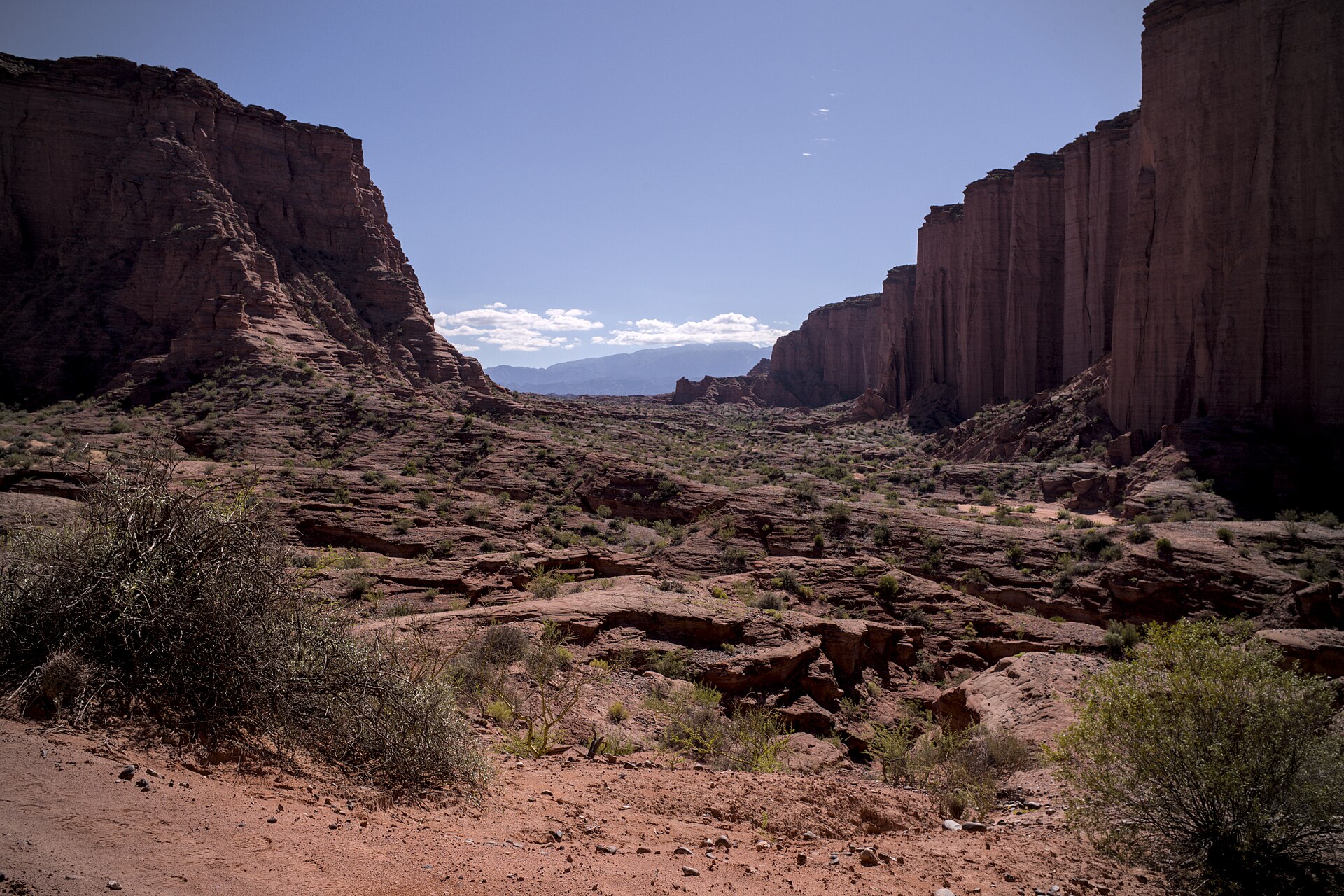
At UNESCO-listed Ischigualasto and Talampaya, you enter authorized circuits through fossil-bearing Triassic basins and walk beneath monumental red sandstone walls.
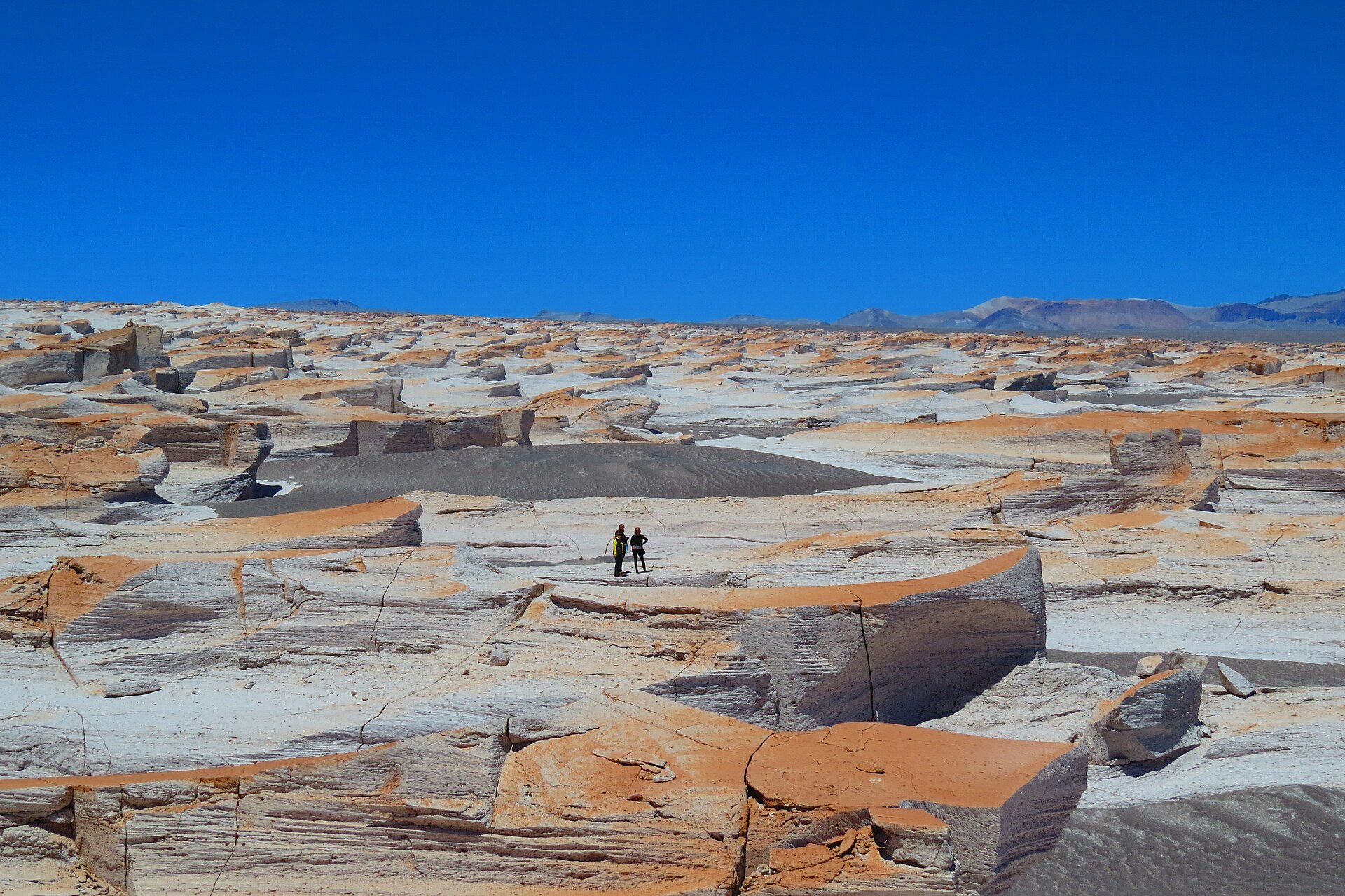
In the Catamarca Puna, you acclimatize before crossing to high lagoons and volcanoes, then walk among the wind-carved white formations of Campo de Piedra Pómez.
In the Calchaquí Valleys, you walk Cafayate's high-altitude vineyards, enter the archaeological city of Quilmes and continue into the sculpted red walls of Quebrada de las Conchas.
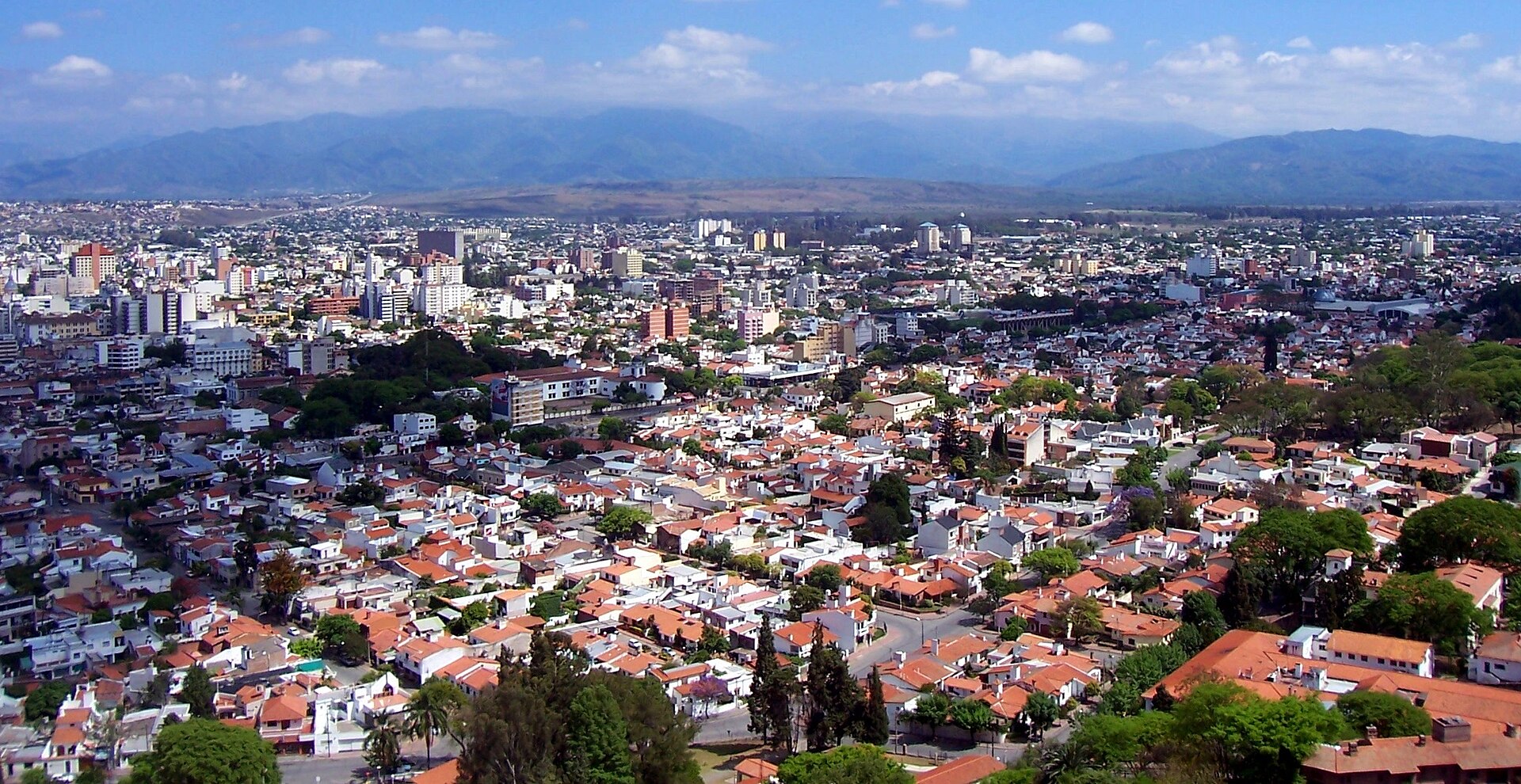
In Salta, MAAM brings the Inca high Andes into one exact museum visit; afterward you taste regional food at San Miguel Market and hear guitars and bombo drums in a neighborhood peña.
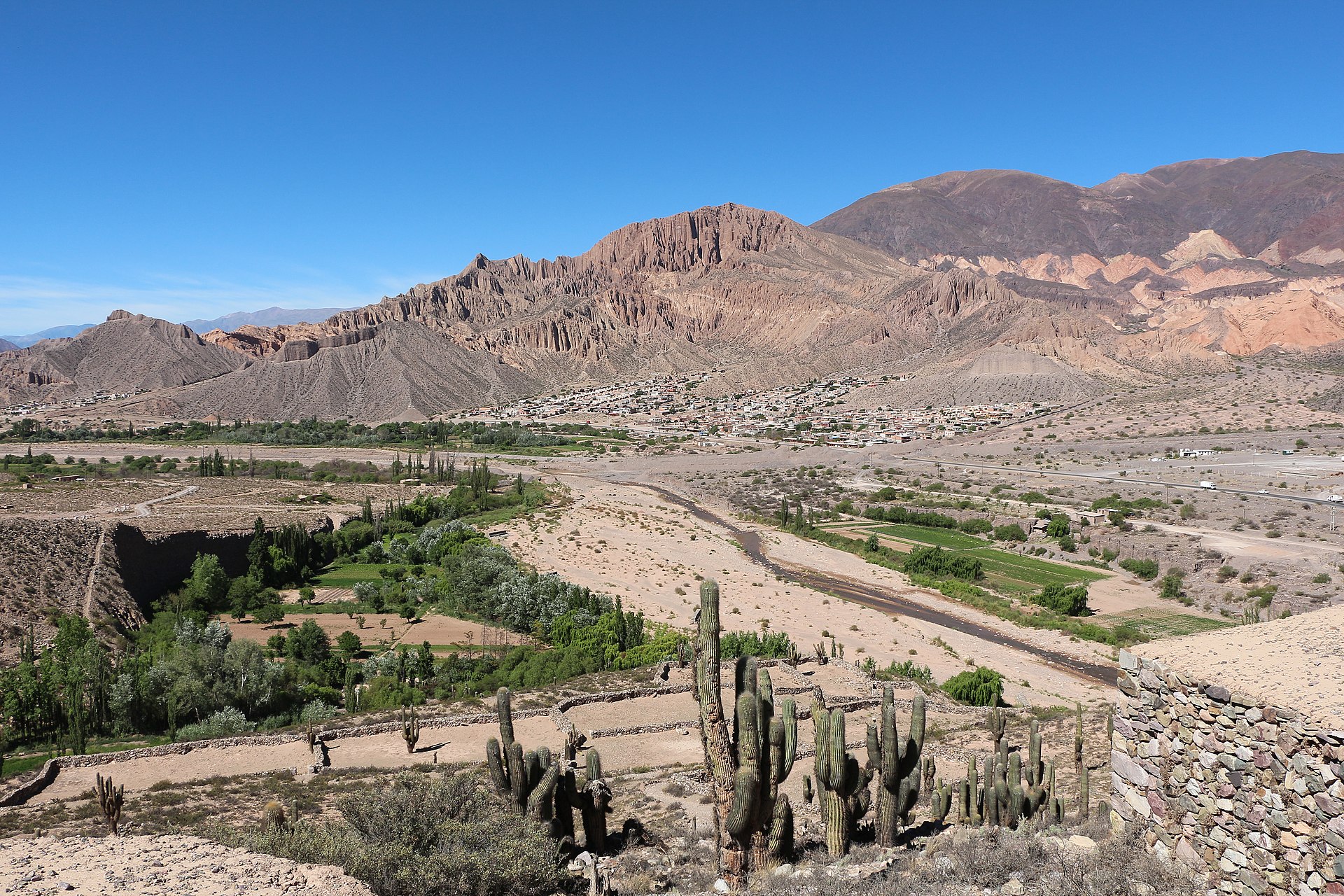
In UNESCO-listed Quebrada de Humahuaca, you climb to Hornocal's folded colors, cross Cuesta de Lipán to community-managed Salinas Grandes and walk Uquía's red side canyon.
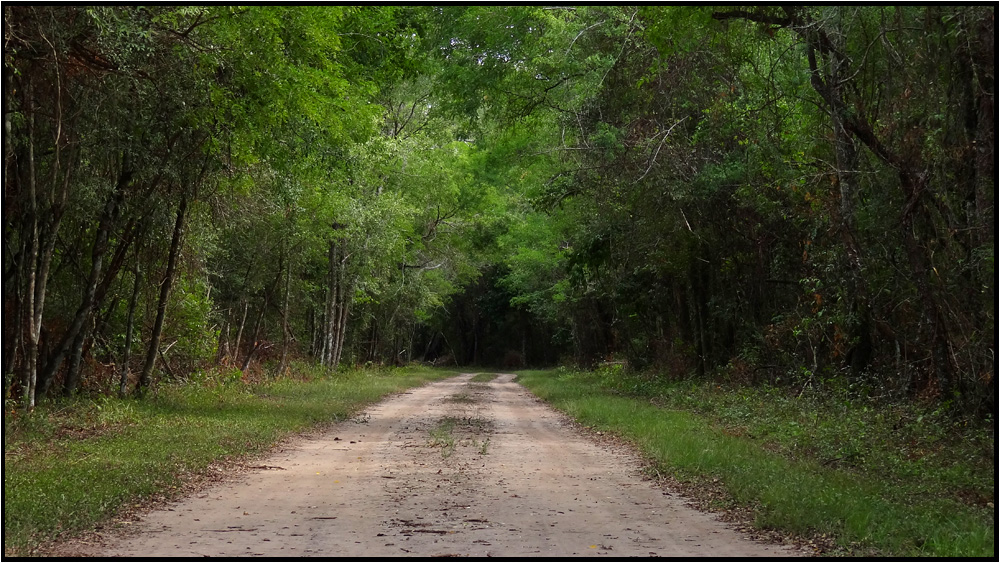
El Impenetrable protects a major remnant of Gran Chaco dry forest; you follow wildlife tracks on foot, paddle the Bermejito and take a shorter forest trail when heat rules out the long route.
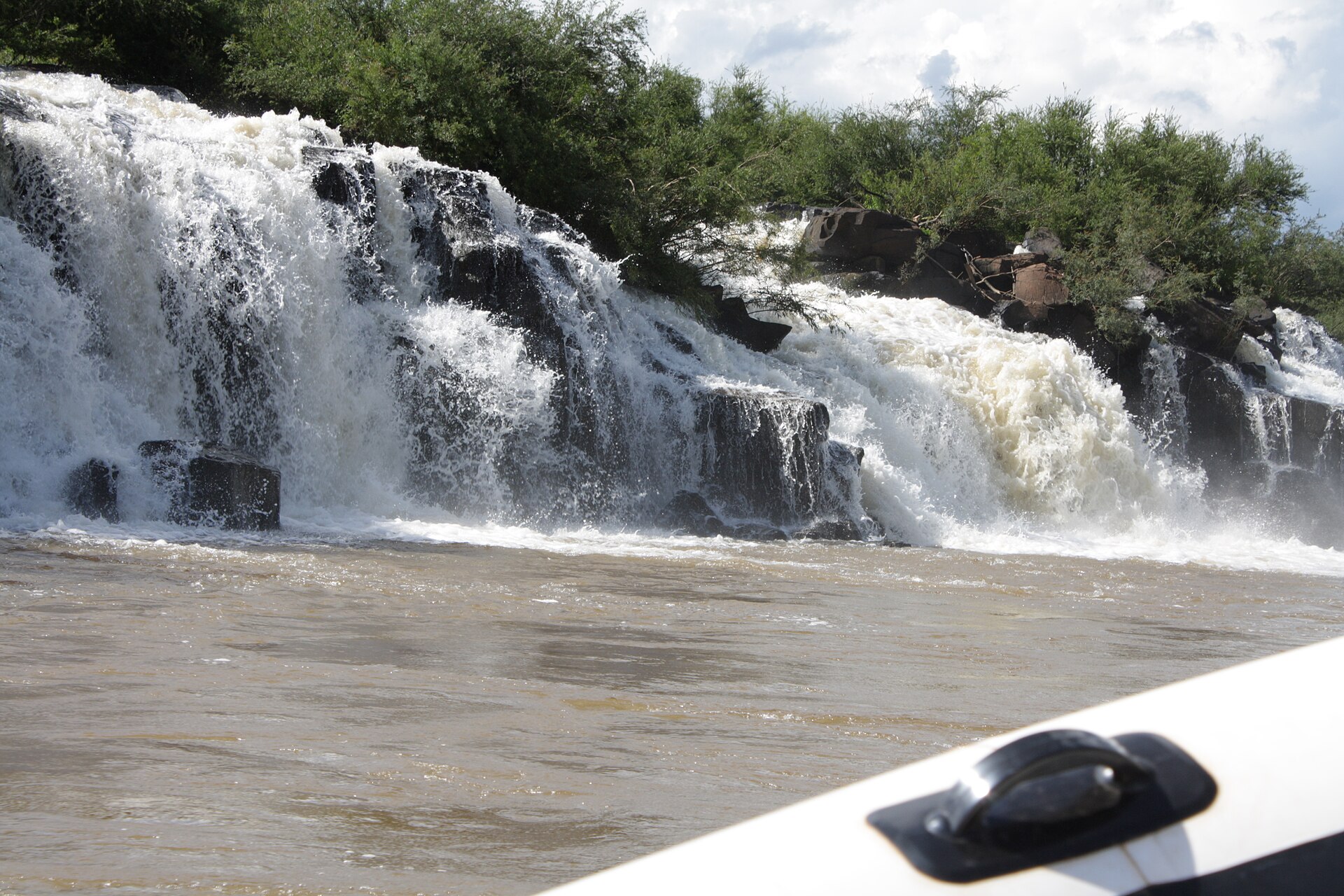
In Misiones, you walk subtropical forest, visit a yerba mate grower and see Moconá's unusual lengthwise waterfalls when river levels expose them.
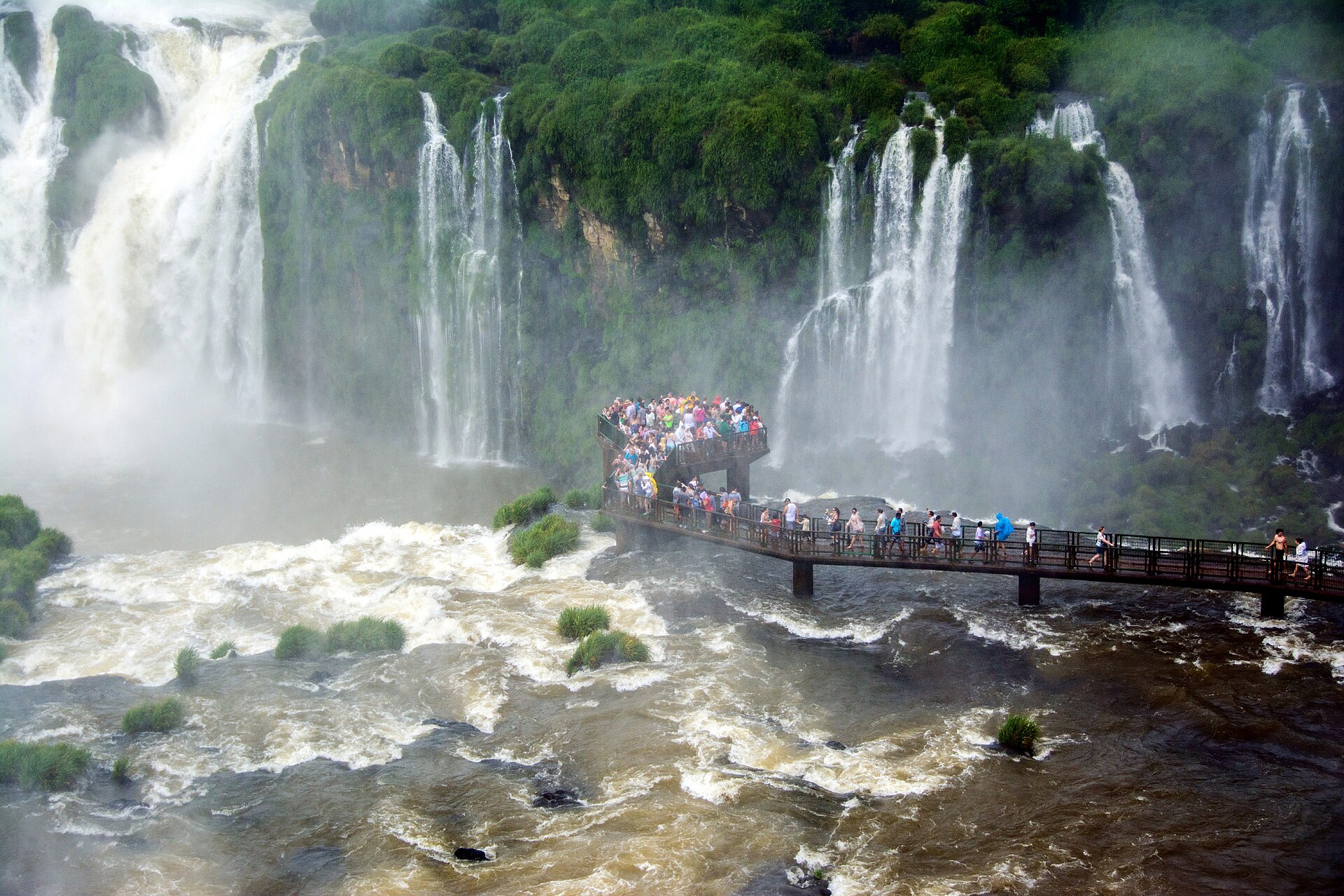
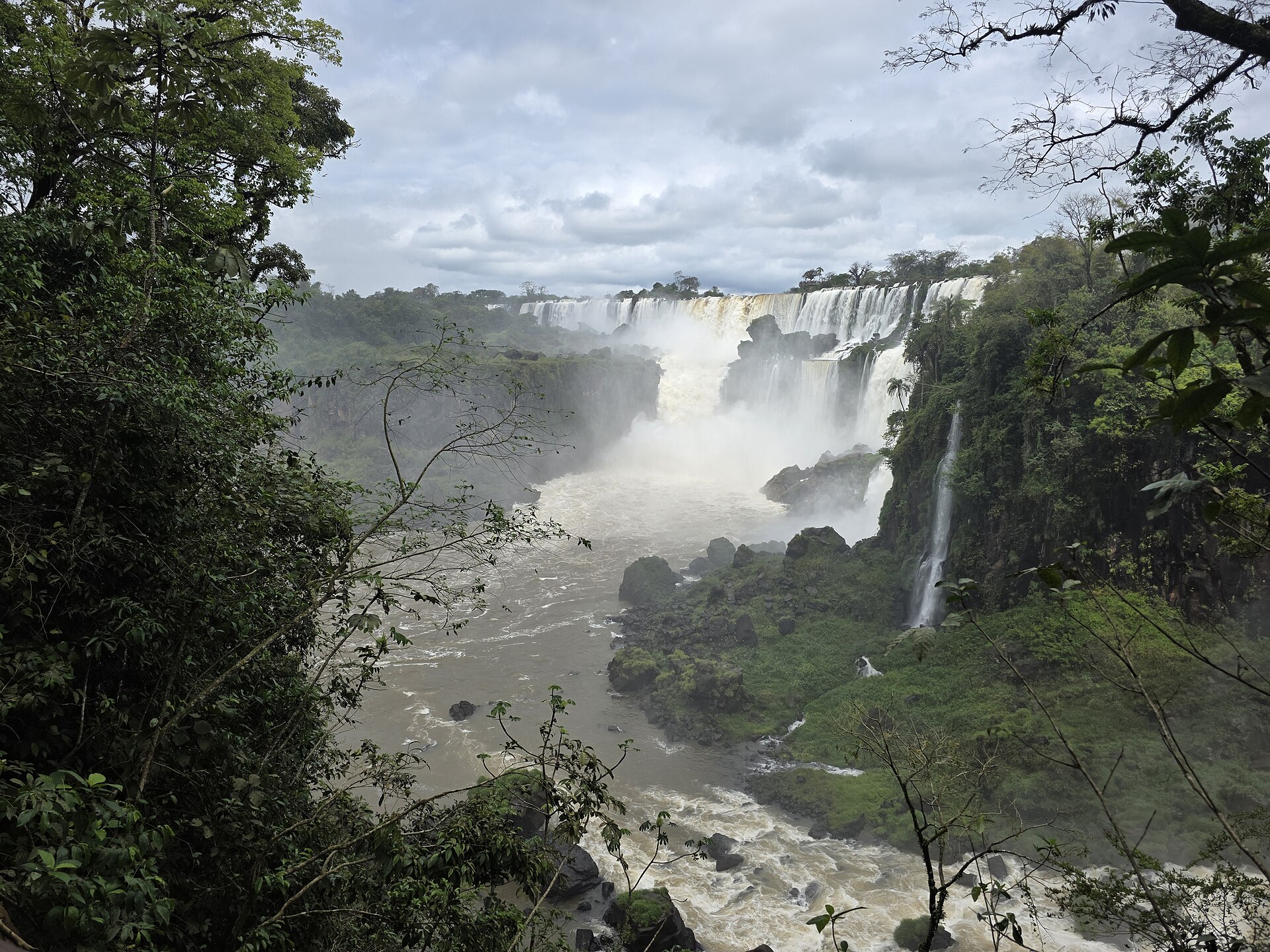
At Iguazú, where the river breaks into hundreds of forest-framed falls, you reach Devil's Throat from Argentina, cross to Brazil for the panorama and walk the quieter Macuco Trail through Atlantic Forest.
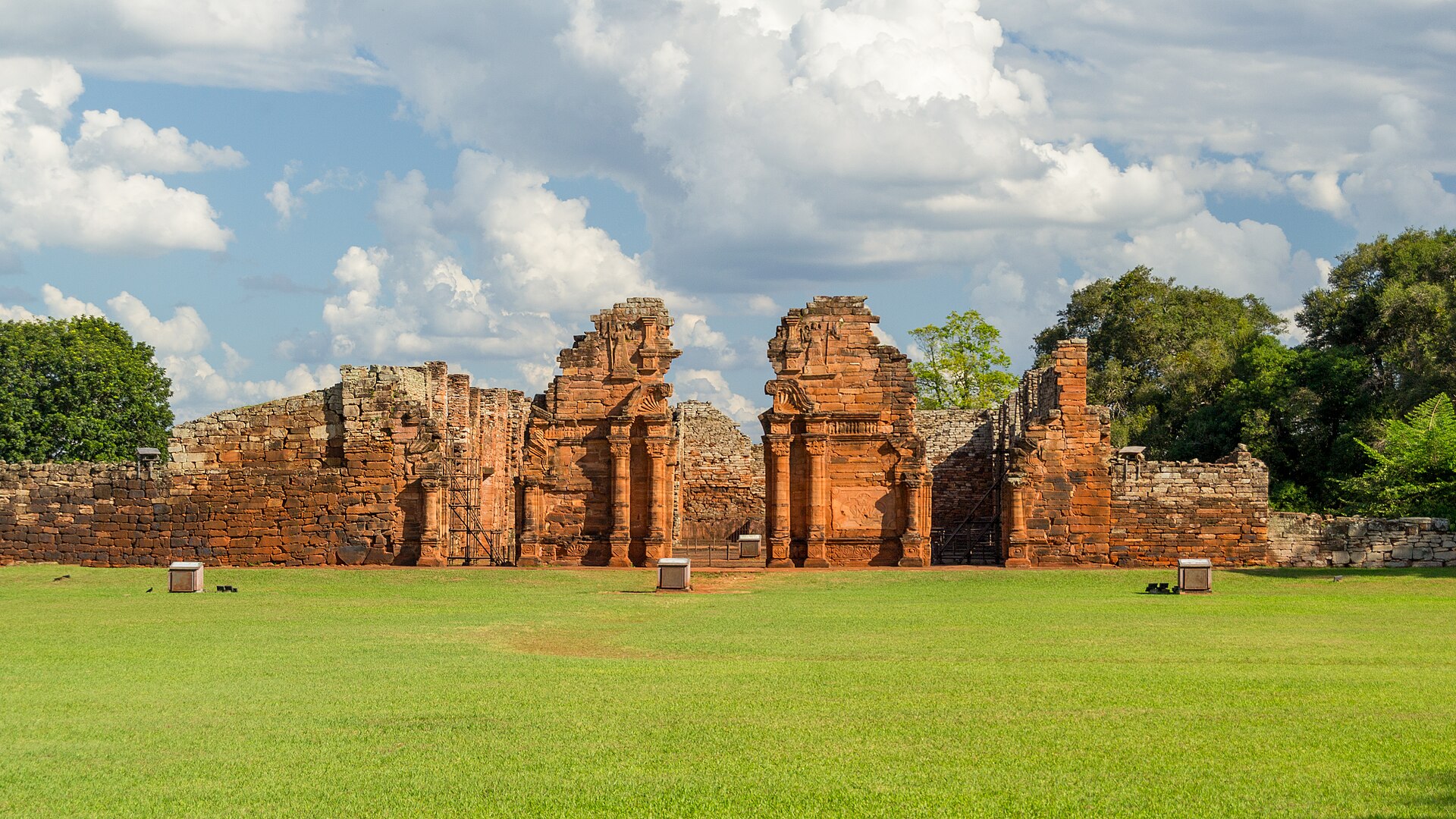
At the UNESCO-listed Jesuit Guaraní missions, you walk San Ignacio Miní, then compare its red facade with the quieter forested remains of Santa Ana, Loreto and Santa María la Mayor.
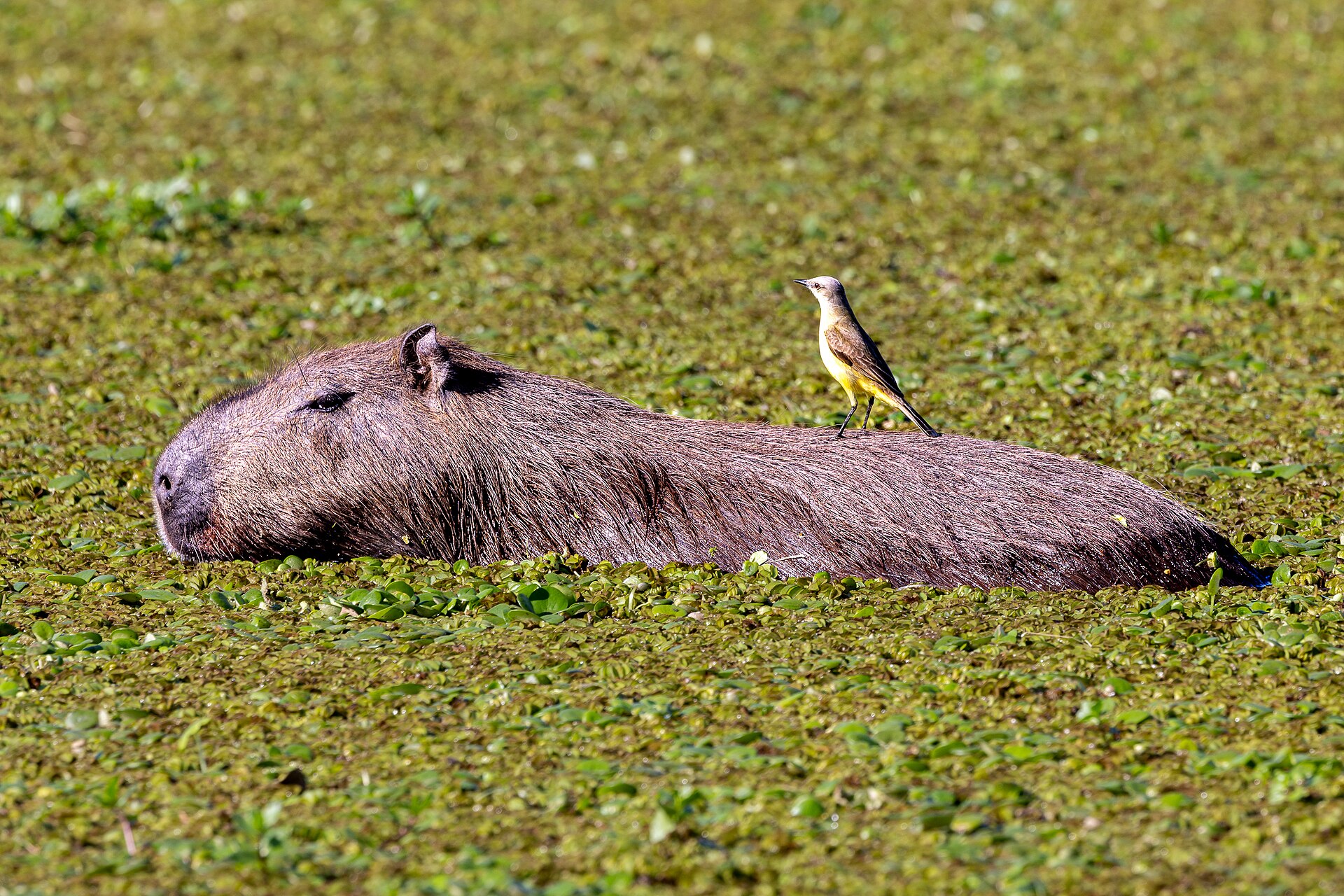
In Iberá, lagoons and floating vegetation replace the road; you watch caiman and capybaras by boat, cross wet grassland on horseback and learn how missing native species were returned.
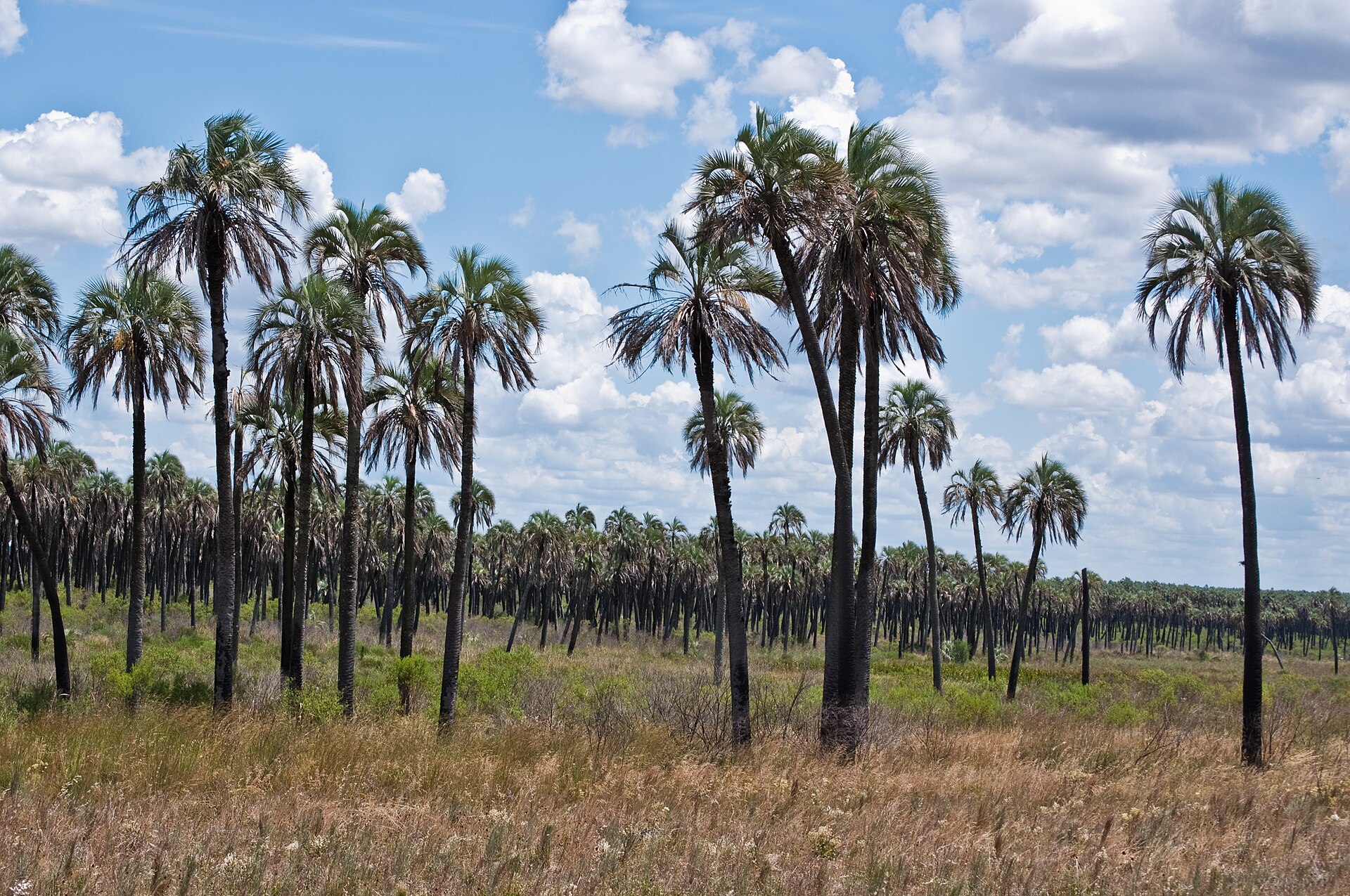
At El Palmar, you walk at dawn through rare yatay-palm savanna and watch capybara and birds beside the Uruguay River.
You return to Buenos Aires from the Uruguay River for Plaza de Mayo, a neighborhood parrilla and one final night of live tango.
Best time
The northwest is generally driest outside summer rain, with clear mountain light and cold high-altitude nights. Iguazú and Iberá remain warm, and their water levels still answer to rainfall upstream.
Heat, humidity and rain deepen the forests and wetlands around Iguazú, Misiones and Iberá. The Puna can receive summer storms that make remote roads unreliable, so the full northern circle is less dependable.
Epic Northern Argentina FAQ
The rental car is the spine of the whole journey. The Pampas and Sierra de las Quijadas turn the westbound drive into part of the trip while avoiding a one-way vehicle or airport break.
Only if the rental company gives written permission and the required insurance. If it does not, I arrange a local cross-border transfer and keep the same Argentina vehicle parked in Puerto Iguazú.
Main roads may be, but remote Catamarca, Salta and Jujuy days often need a local 4x4, altitude knowledge and current road information. I confirm those high-altitude days separately.
Journey designer
Tell me which landscape you keep returning to, and we will build the right Argentina journey around it.
Design your journey