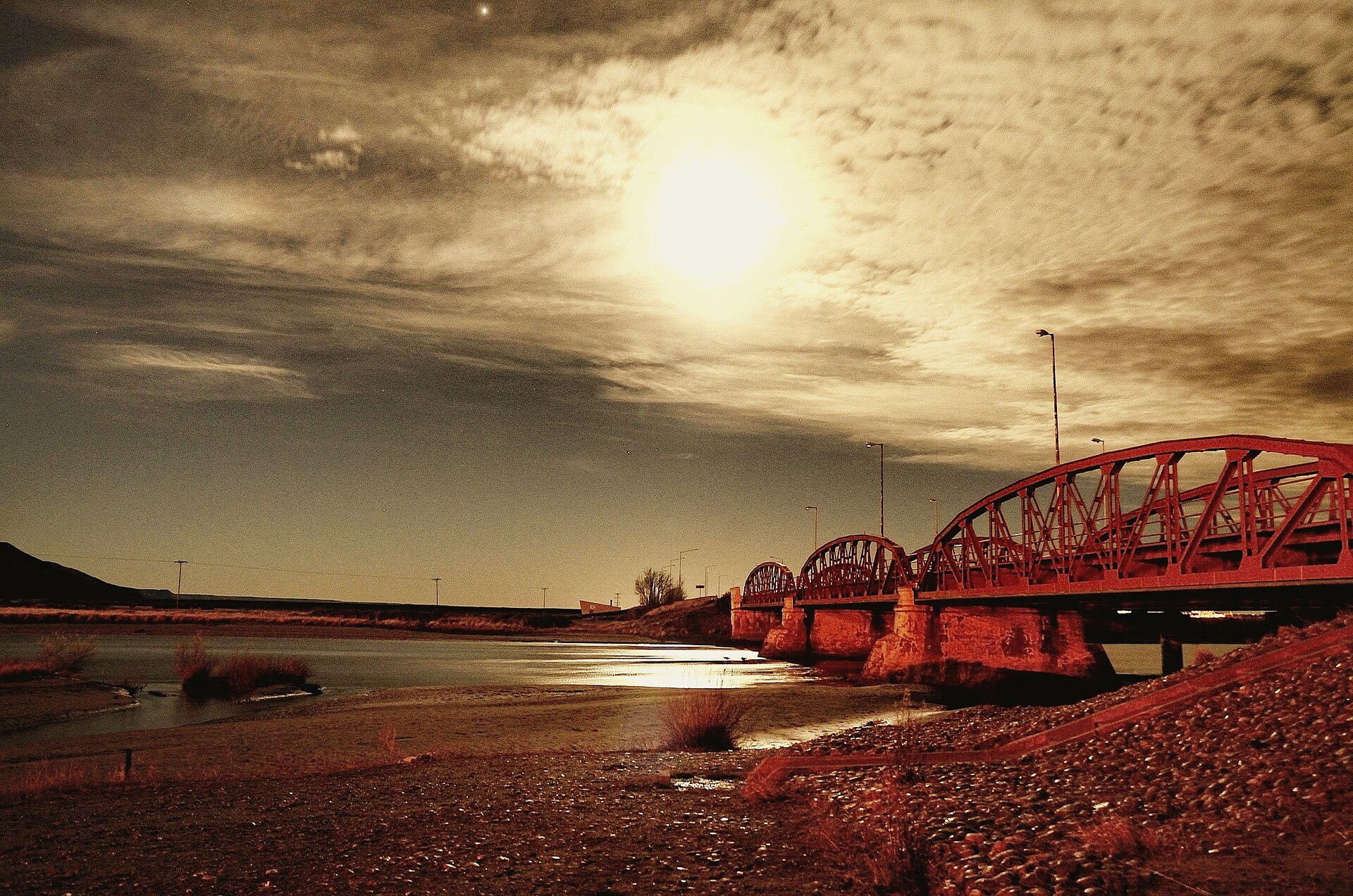
The Río Gallegos estuary exposes broad mudflats rich in invertebrates, feeding resident and long-distance migratory birds.
A local bird guide times the walk to tide and season, turning an austere shore into a map of migration.
I design journeys to places of power for those who want to travel deeper
Río Gallegos experience
Follow tidal flats and salt marsh used by migratory shorebirds at the edge of Patagonia's southernmost continental city.
The experience
The Río Gallegos estuary exposes broad mudflats rich in invertebrates, feeding resident and long-distance migratory birds.
A local bird guide times the walk to tide and season, turning an austere shore into a map of migration.
Journeys
Experience FAQ
Shorebirds, geese, gulls and raptors are possible, but exact species and numbers vary strongly by season and tide.
The estuary's birds can be distant and similar; local knowledge and a spotting scope make the ecology much clearer.
Plan with Alex
Follow Patagonia toward the ice, or take the northern road from vineyard shade to Iguazú's thunder.
Tell me which landscape you keep returning to, and we will build the right Argentina journey around it.

I would travel south for whales, lenga forests and glaciers calving into blue water. I would turn north for Mendoza's vineyards, the white deserts of the Puna and the roar of Iguazú. Both deserve a journey of their own.
Alex
Journey designer