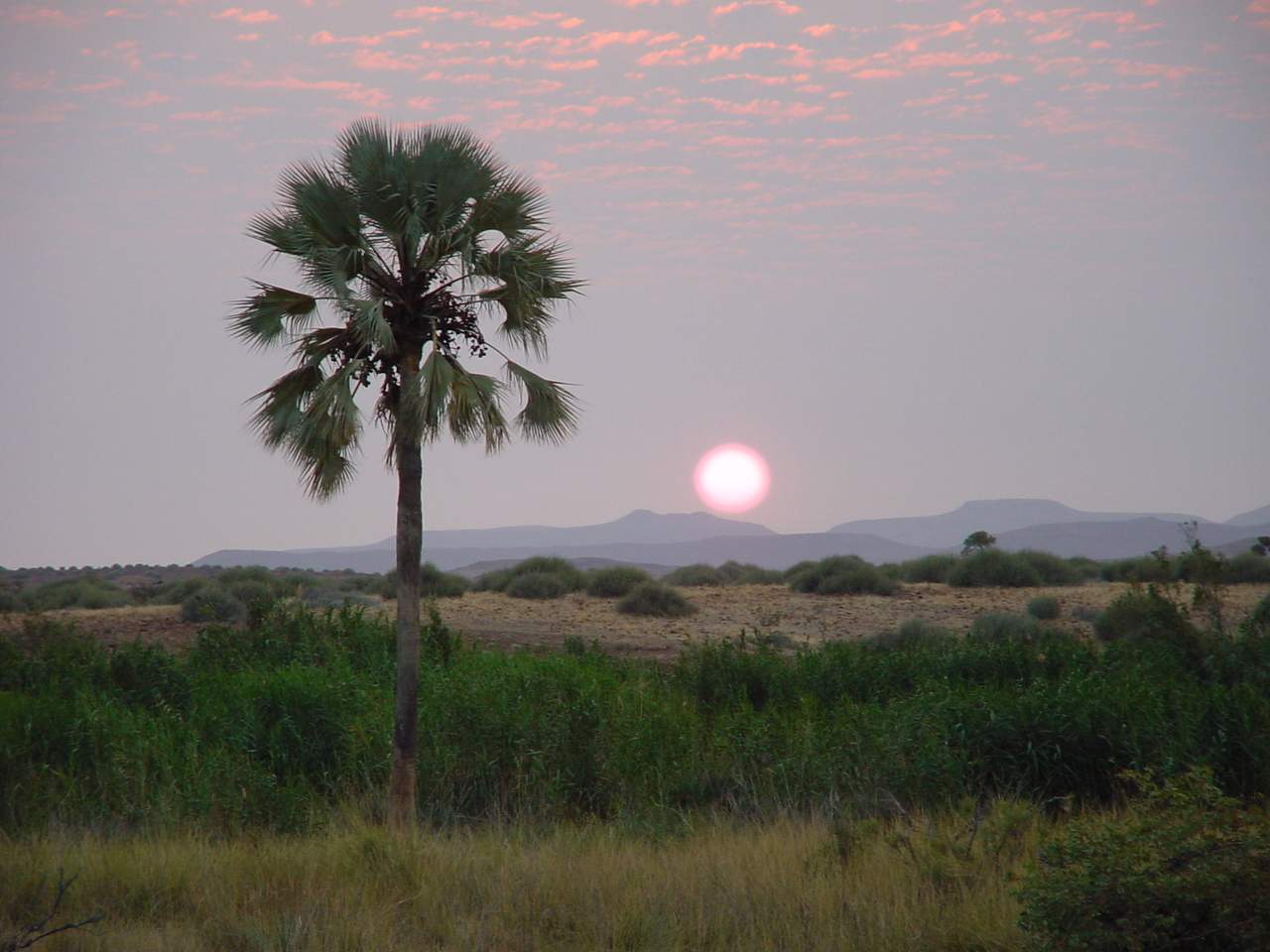
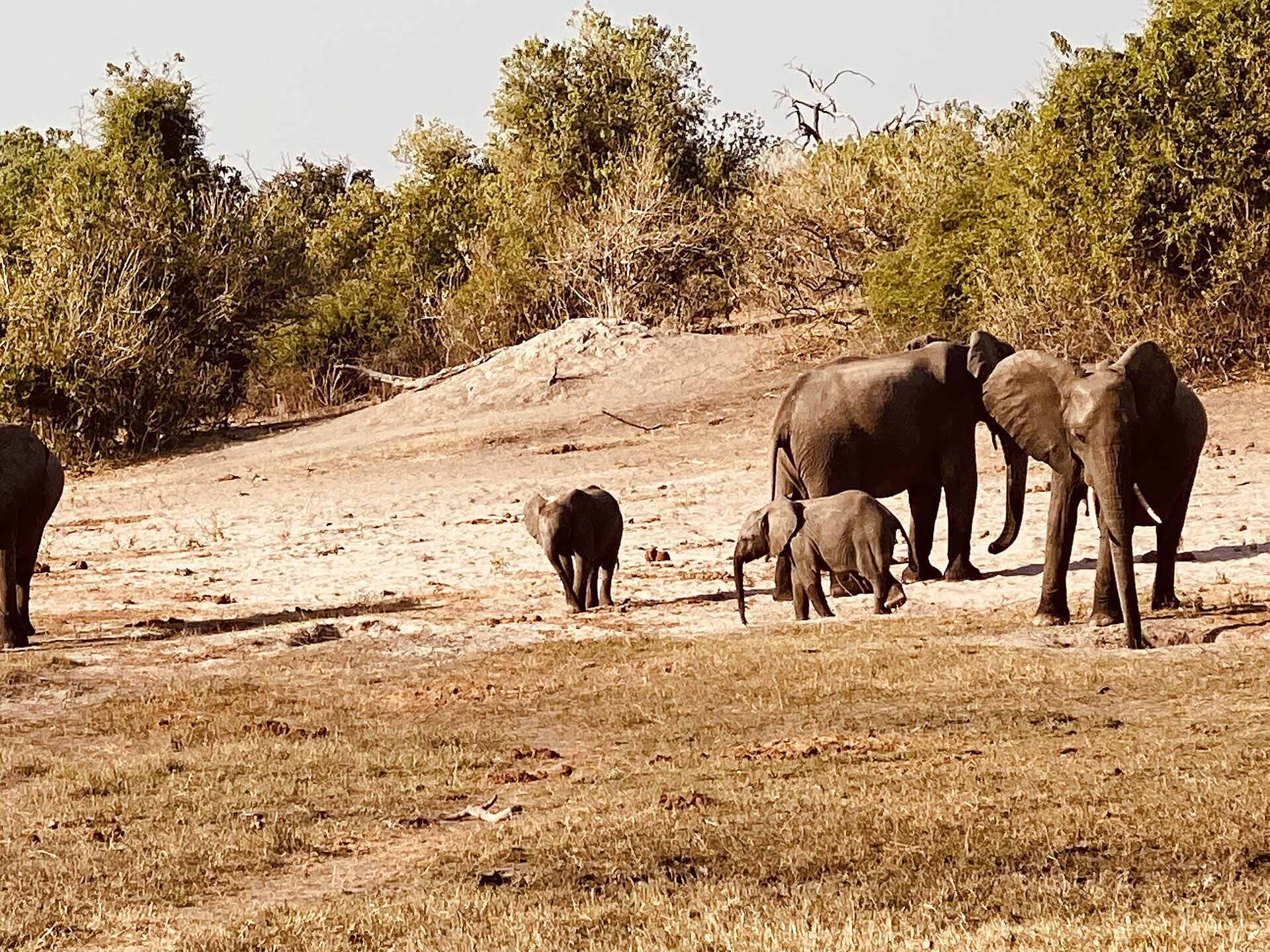
Safari landscape in Etosha National Park
Alex.travel

I design journeys to places of power for those who want to travel deeper

Namibia desert, coast and safari journeys experiences

Namibia safari and waterhole journeys

Wait for elephants at an Etosha waterhole, then walk beneath Waterberg's red cliffs with a guide who can explain the plateau's conservation work.

EtoshaWaterholesSafari days

Experience overview

When the waterhole begins to move

Etosha's pan lies pale as bone under the sun. At its edges, thorn scrub, dust and waterholes draw the eye to the smallest movement: an ostrich crossing the open ground, giraffe stepping toward water, springbok appearing through heat shimmer.

The day deepens when you stop. Sit through the empty minutes and the landscape begins to assemble itself around you. Waterberg changes the scale again: red cliffs, springs and shaded paths after the open white north.

First there is only heat trembling above the dust. Then a giraffe appears, another follows, and the empty waterhole becomes a stage.

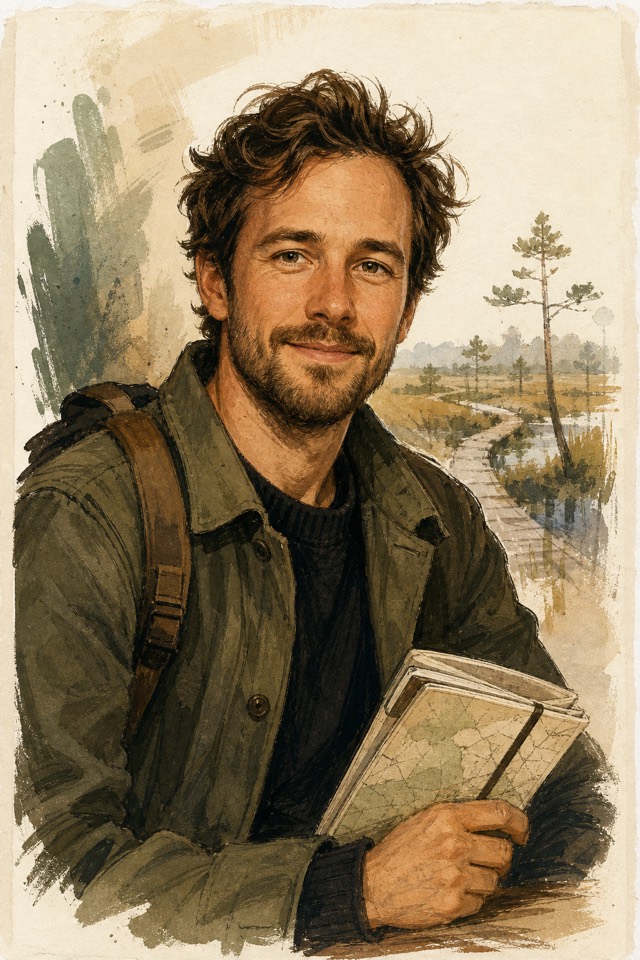
Portrait of AlexAlexJourney designer

Designer's note

Leave time for the animals to arrive

I would rather wait at three waterholes than race through ten. The quiet minute before elephants enter the dust is part of what you came for.

Portrait of Alex

Alex

Journey designer

I design safari days around stillness, not mileage.

  1. 01

    Wake inside the safari

    Two or three nights around Etosha protect an early start and a full day governed by water, shade and animal movement.

    Waterhole day
  2. 02

    Walk beneath Waterberg

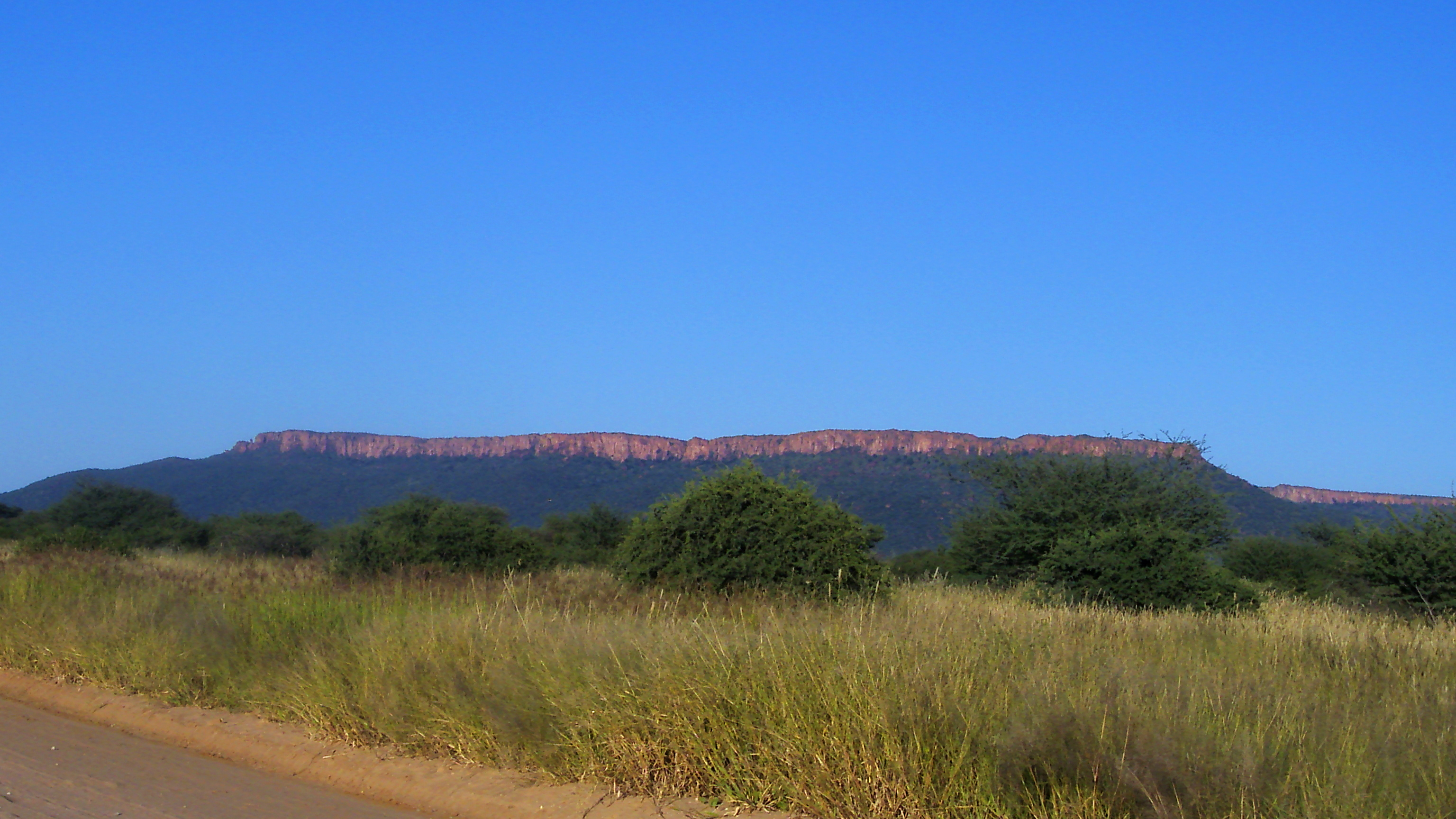
    Red sandstone rises above permanent springs and wooded paths, a close and shaded world after Etosha's immense white pan.

    Red escarpment
  3. 03

    Follow the season

    Cool dry months gather wildlife around water; summer brings storm clouds, green grass and more heat into the same northern country.

    Season tradeoff

Best time

Best time for Namibia safari routes

Safari landscape in Etosha National Park
May to August

Cool dry winter for long roads and safari

Dry-season waterholes

Clear skies, cold mornings, and the easiest road-trip rhythm for first-timers. Wildlife concentrates around water, the coast stays crisp, and the desert light is clean.

Temp
Near freezing at dawn inland to about 24 °C by day
Crowds
Busy but manageable
Good places
Etosha · Swakopmund · Sossusvlei · Waterberg
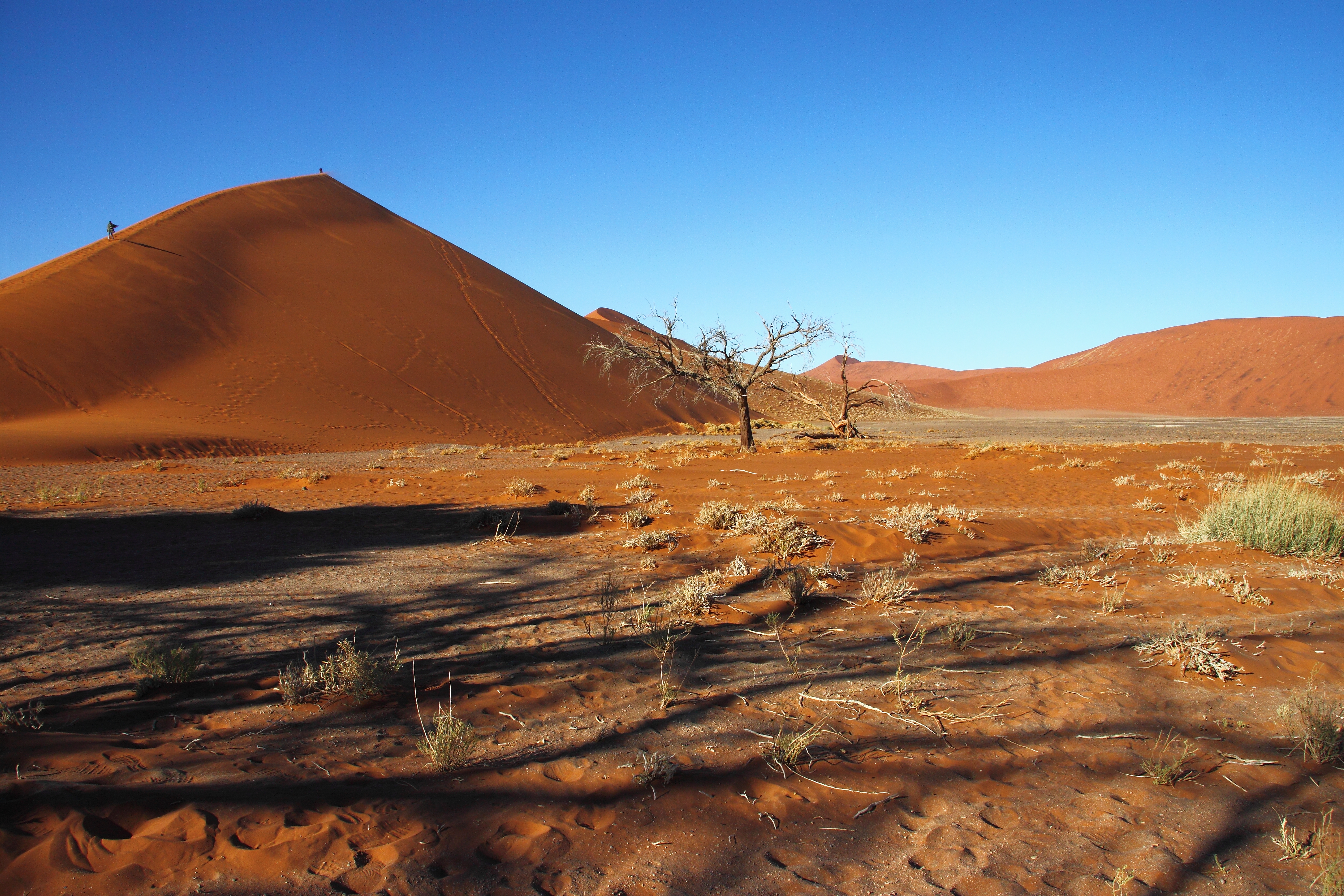
Sossusvlei dunes in Namibia
September to October

Spring heat and big skies

Dry heat before the rains

The build-up to summer. The heat rises fast in the desert and Etosha can be hard by midday, but the roads stay dry and the skies often look enormous and theatrical.

Temp
About 12 to 35 °C
Crowds
Medium season
Good places
Sossusvlei · Etosha · Windhoek
Waterberg plateau landscape in Namibia
November to March

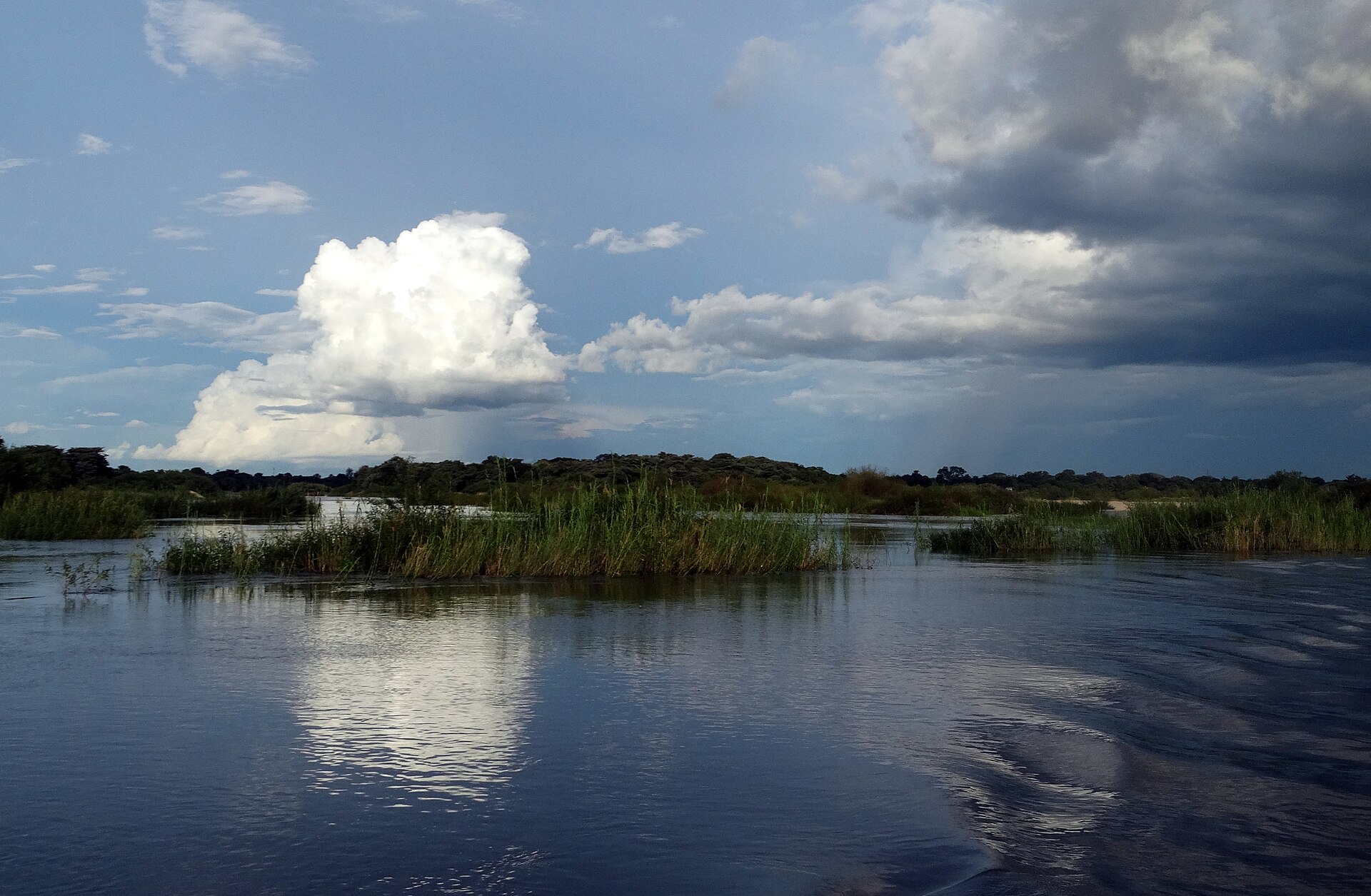
Green summer and thunderstorms

Storm light over open country

Storm light, greener grass in the north, and a softer-looking country than the dry-season postcards suggest. The desert can still work, but heat and afternoon weather shape the day.

Temp
About 18 to 36 °C
Crowds
Quieter season
Good places
Waterberg · Etosha · Windhoek

Safari FAQ

Namibia safari route questions

Q01How many Etosha nights do you recommend?

Enough to protect at least one full day without a transfer. I usually allow two or three nights around Etosha.

Q02Is Waterberg worth adding after Etosha?

Yes, especially on a southbound return. It changes the view from open pan country to red escarpment and springs.

Q03When is wildlife easiest to read?

The cool dry months from May to August are the easiest for first-time safari travelers because the weather is simpler and animals concentrate around water.

Journey designer

Let's plan your epic Namibia journey

We will begin with your dates, your pace and the image that brought Namibia into your mind. From there, I will draw the journey that belongs to you.

Plan your epic journey