Namibia desert and dune journeysSossusvlei at first light, Deadvlei before the heat, and the long clean approach roads that make the Namib feel earned.Explore Namibia desert routes
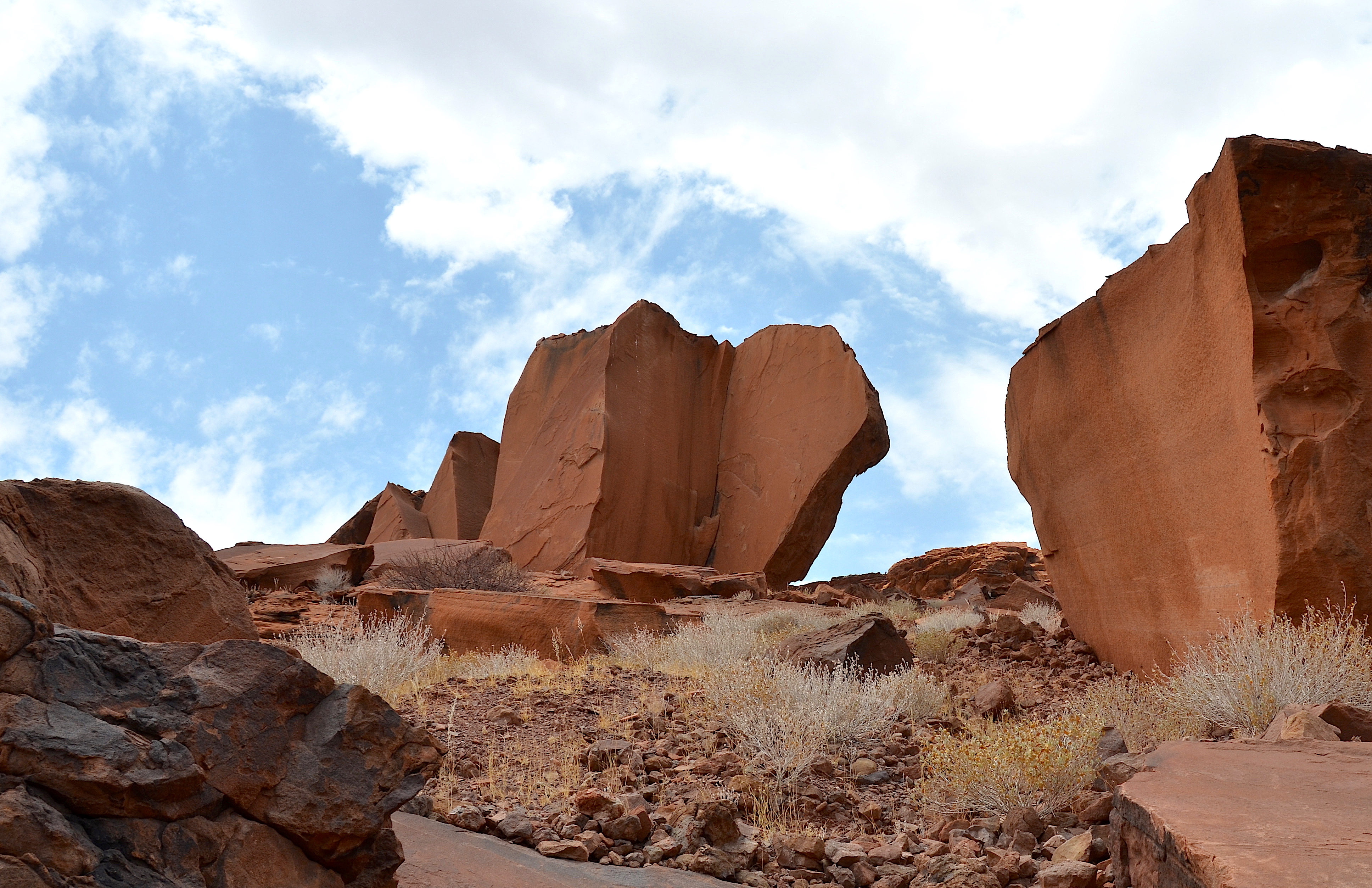
I design journeys to places of power for those who want to travel deeper
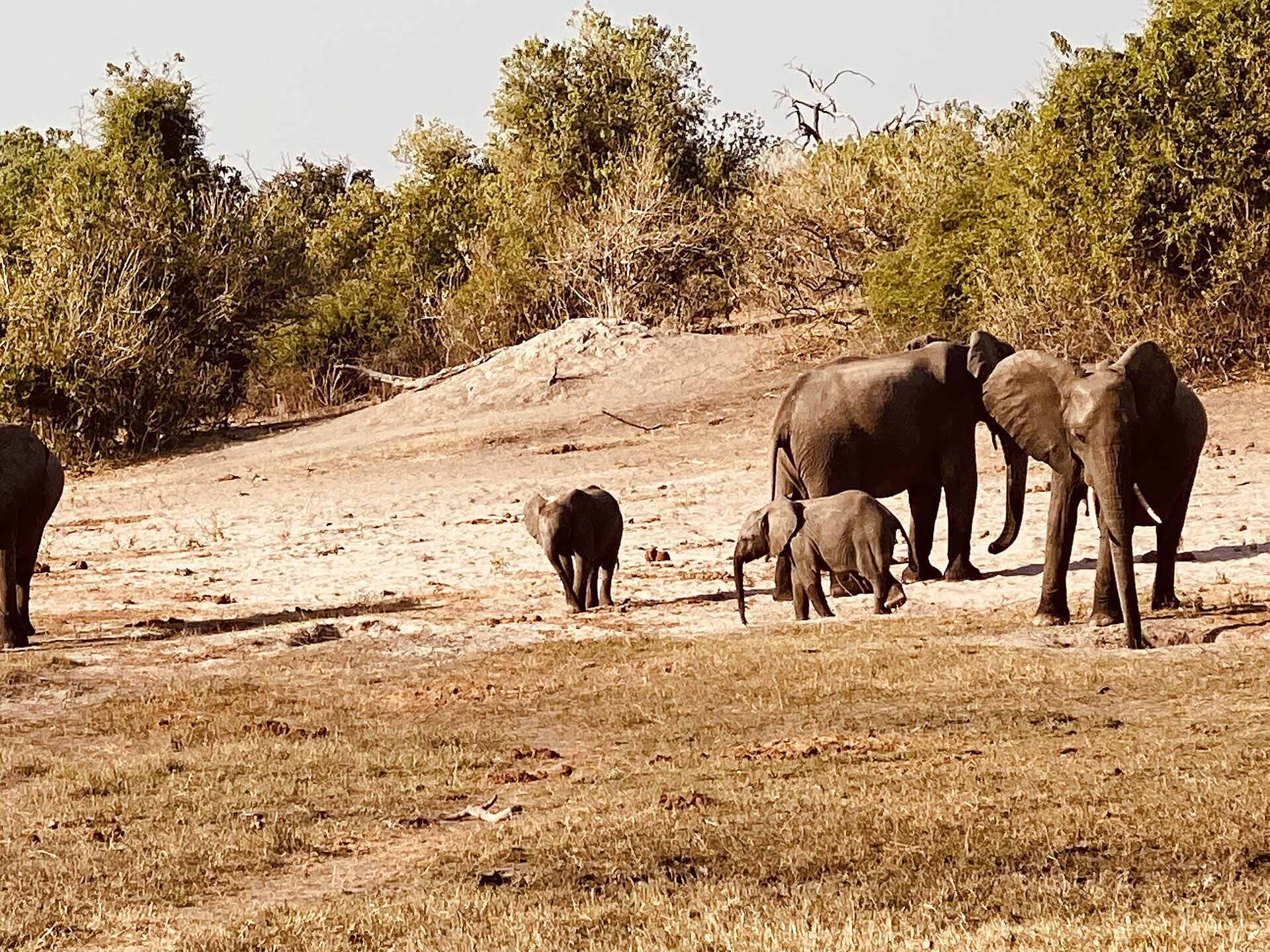
Namibia can begin with elephants walking through Etosha dust and end beneath the orange walls of Sossusvlei. Between them lie a fogbound coast, ancient engravings, the green Kunene and guides who can reveal life in sand that first appears empty.
Flagship journey
Epic Namibia50–60 days · Namibia + Victoria Falls & Okavango · Three-country circle
Plan Epic NamibiaBegin with the dream: the complete Epic Namibia, a vivid nine-day first journey, or one finely judged week between the Atlantic and Etosha.
Designer's note
I want Namibia's defining moments at their best: Deadvlei before the heat, the living desert while tracks are still sharp, Etosha as elephants approach the water. Around them, we make time for the guides, makers and conservationists who turn a beautiful road into a journey you understand.
Alex
Journey designer
I design private Namibia journeys around desert light, Atlantic weather, wildlife and the people who make immense landscapes feel close.
We start with the place you most want to see, then protect the hour that reveals it best: first light at Deadvlei, cool sand near Swakopmund or late movement at an Etosha waterhole.
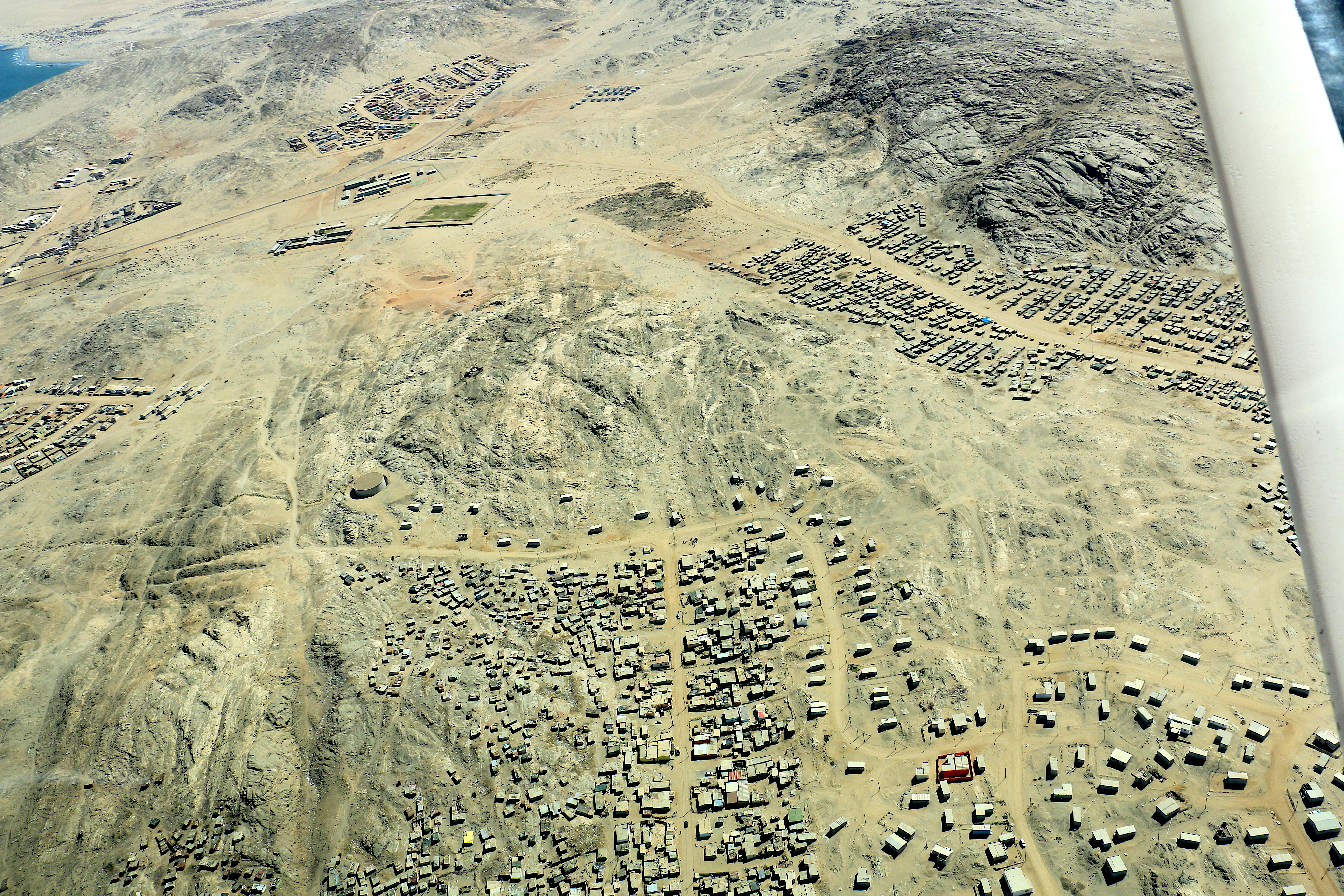
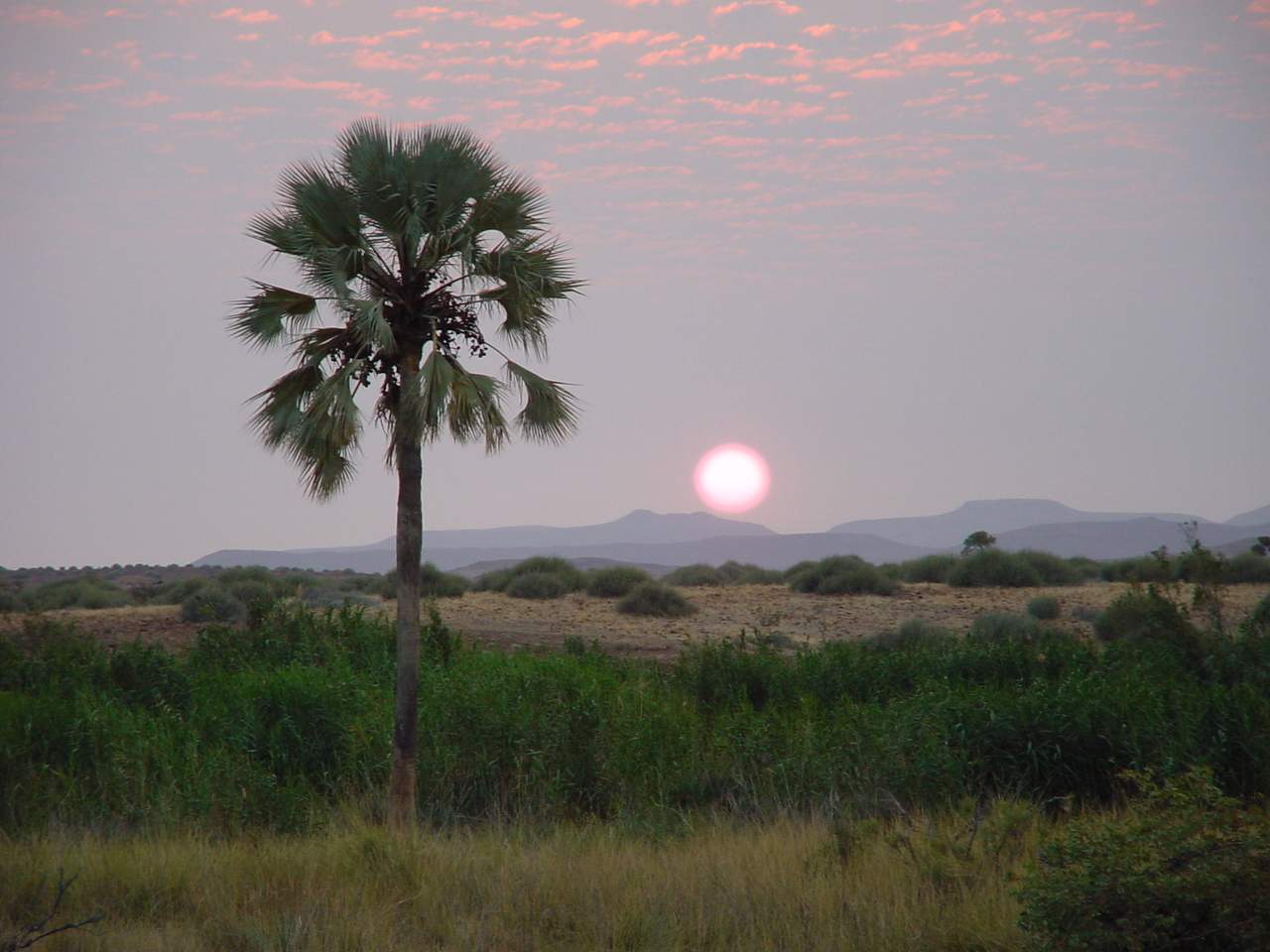
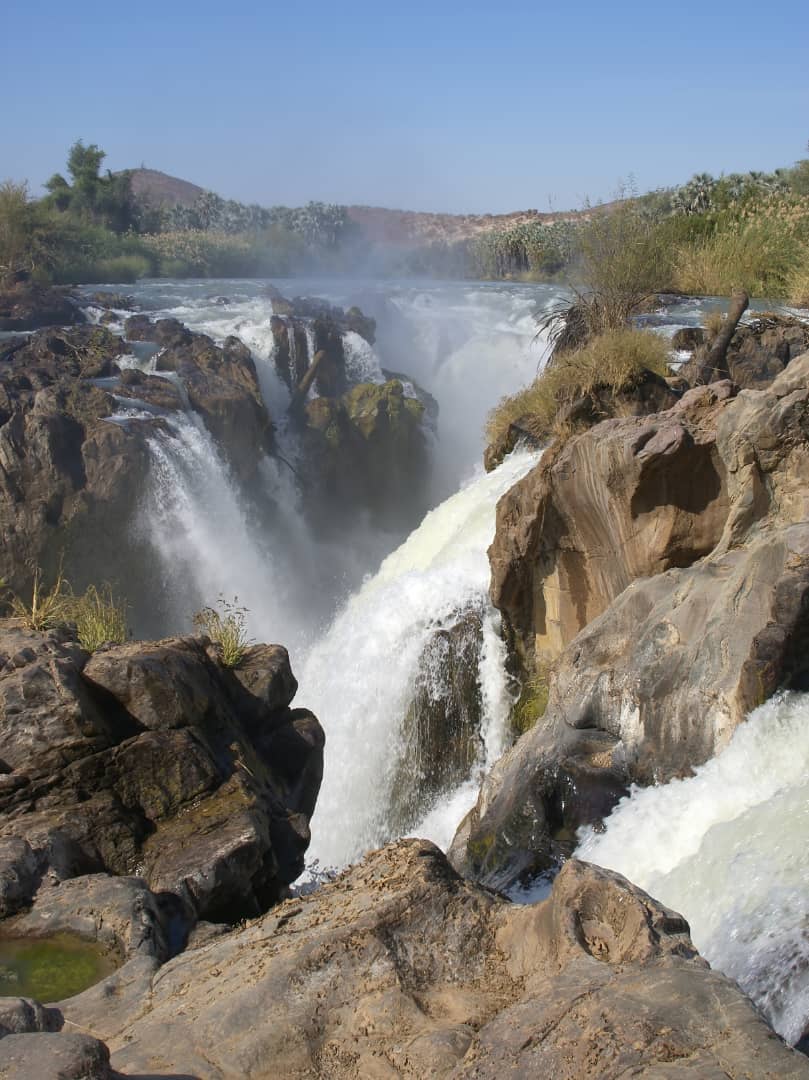
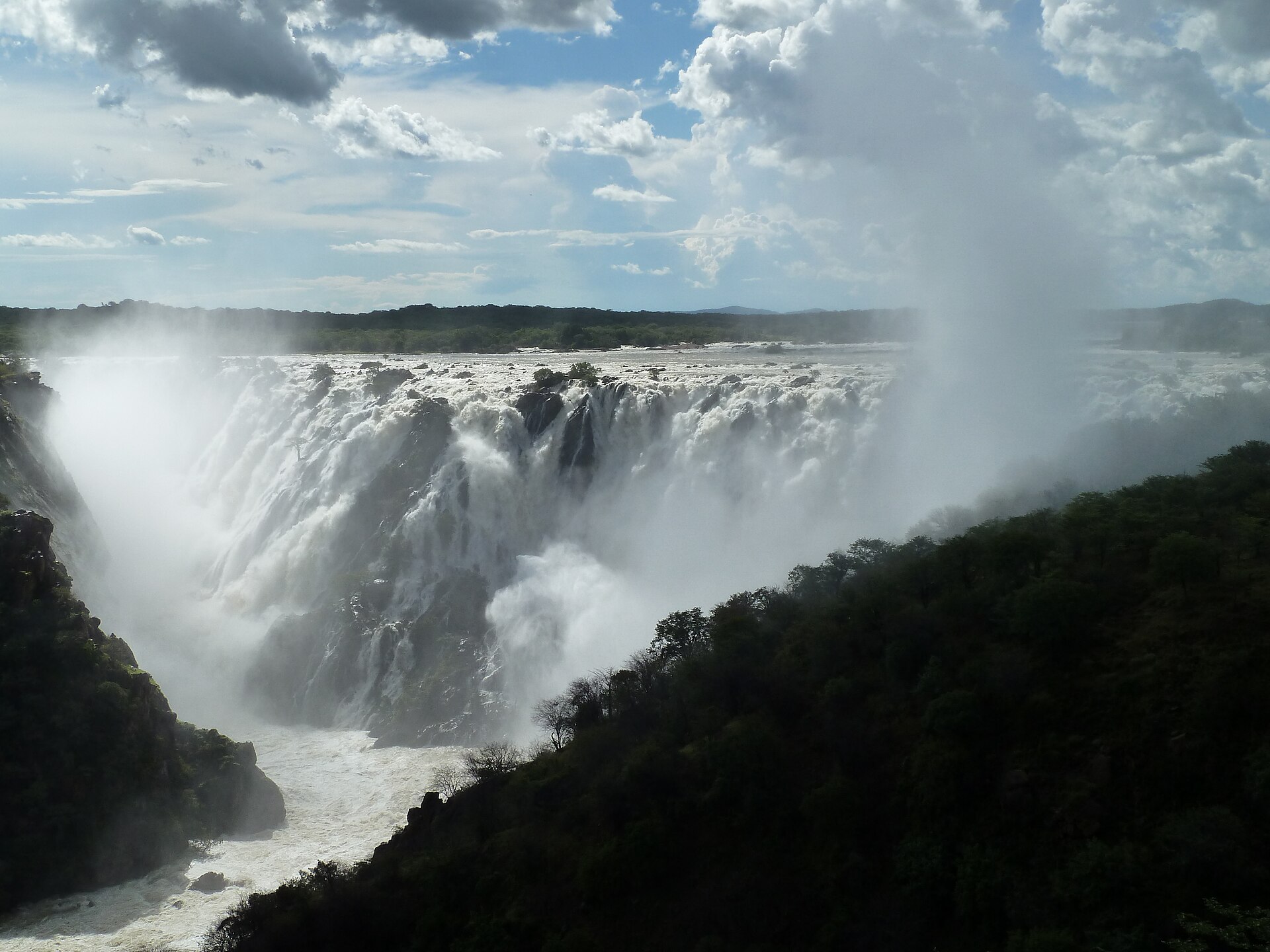
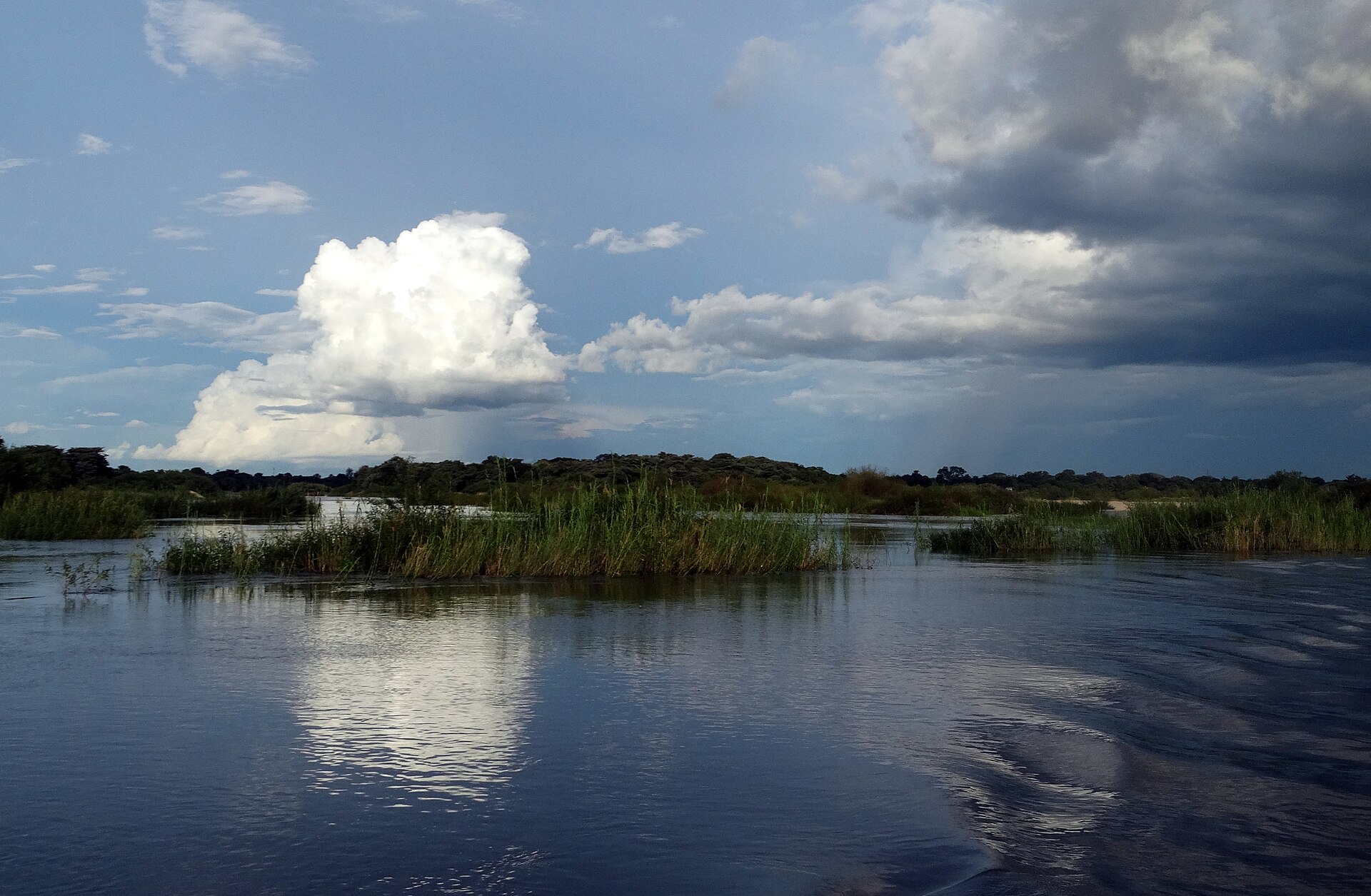
You wake in cold Atlantic fog, walk beside the green Kunene and watch wildlife cross Etosha's white pan. Kaokoland's dry mountains make the changes between them immense.
A desert guide finds a gecko beneath smooth sand. At Twyfelfontein, another guide traces giraffe and rhino through warm stone. Their knowledge makes Namibia feel close.
Three great changes
Namibia does not reveal itself in one landscape. The dream is in the change between them: white clay beneath orange dunes, cold ocean air after the desert, then a waterhole where waiting becomes the whole day.
Namib-Naukluft area
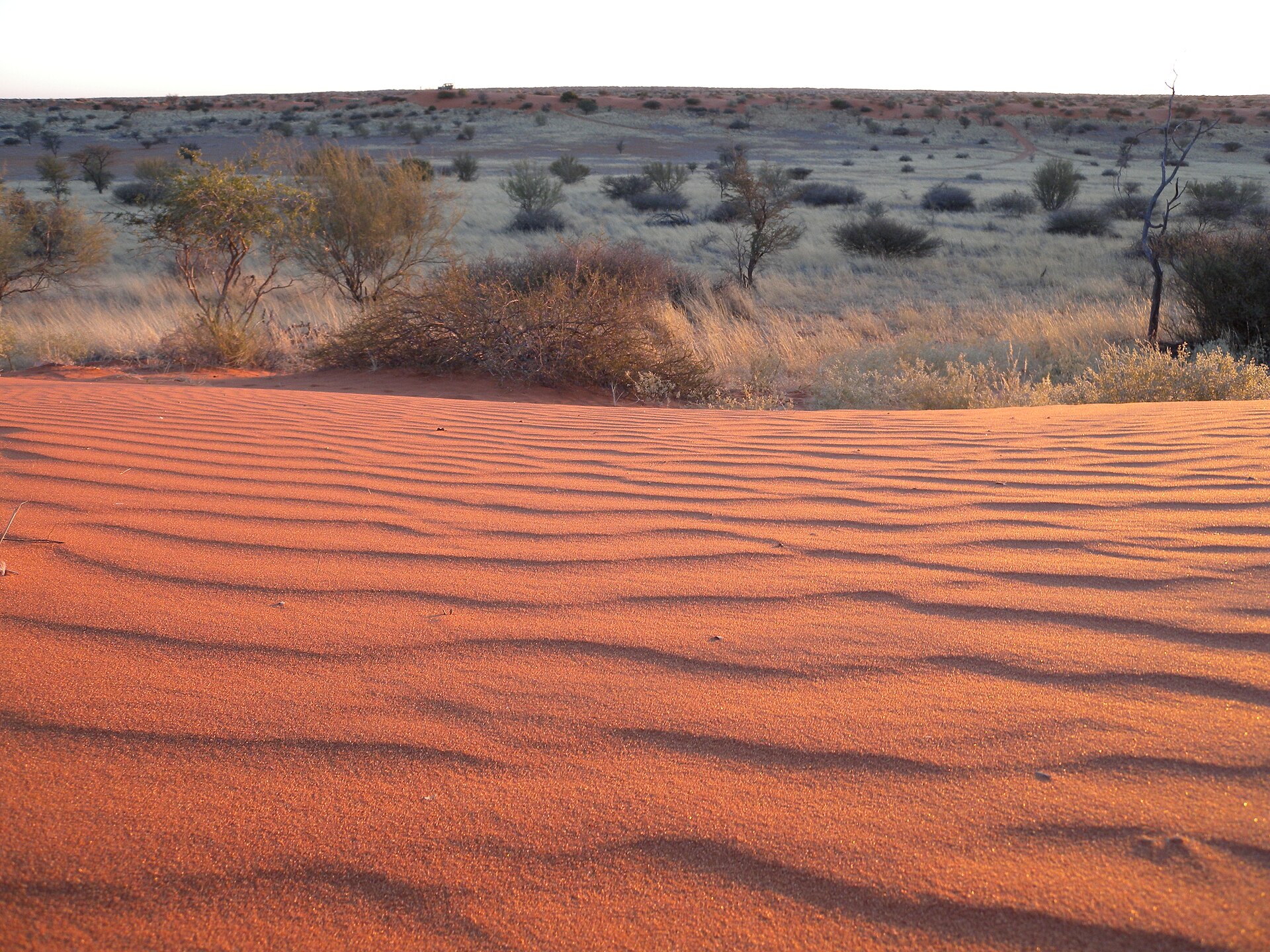
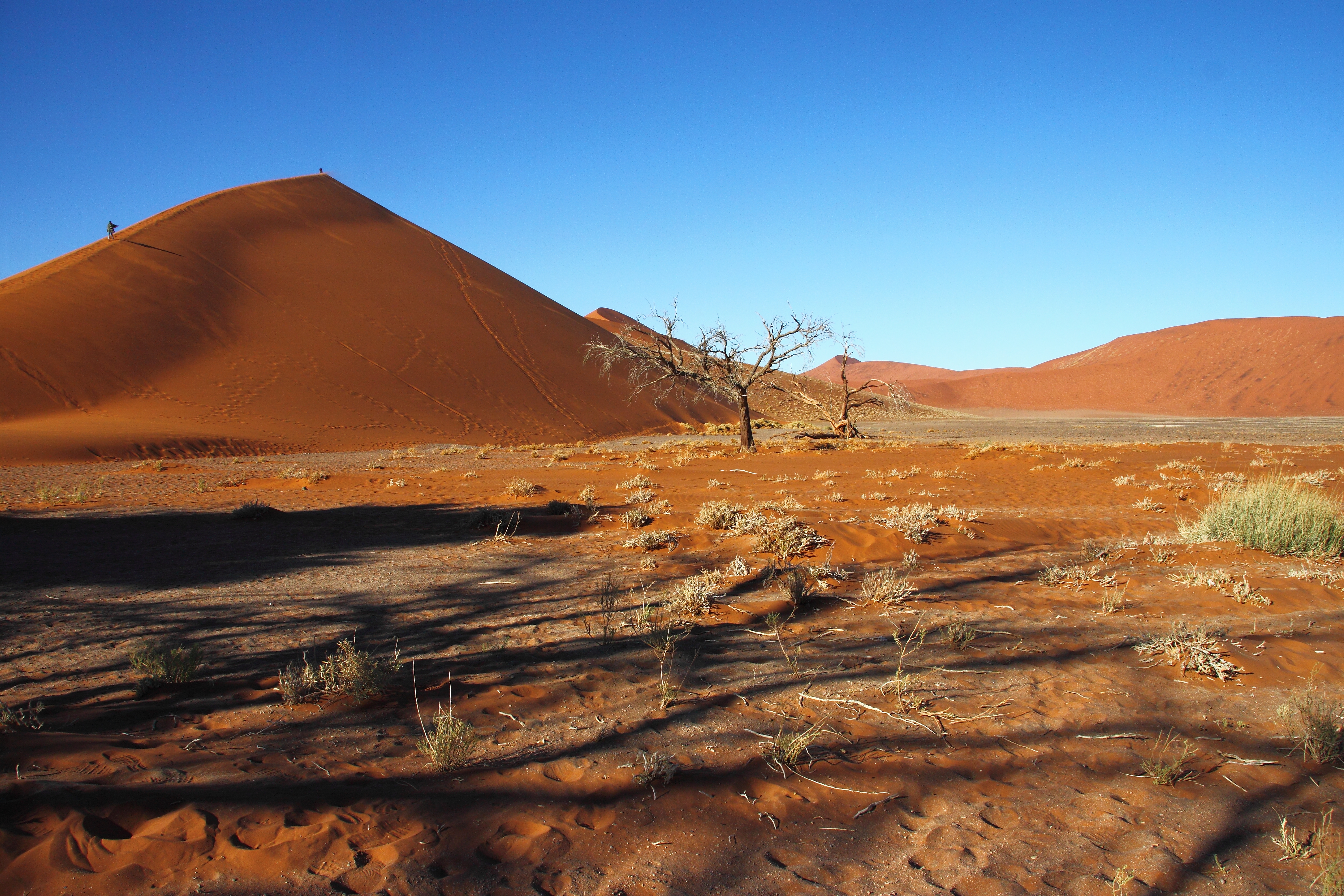
Enter in the blue hour, walk the pan before the heat, and watch sunlight reveal the Namib one ridge at a time.
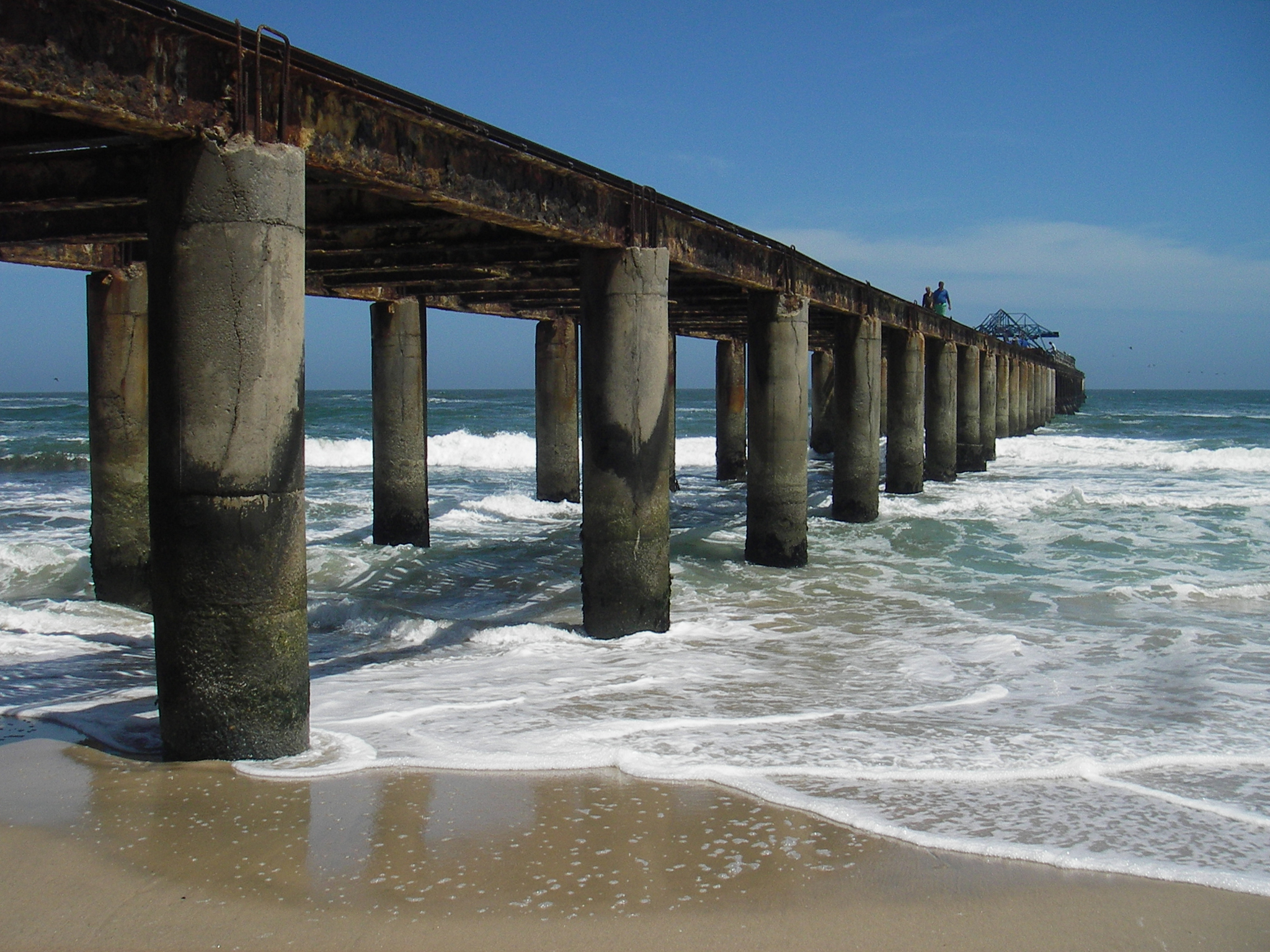
Erongo Region
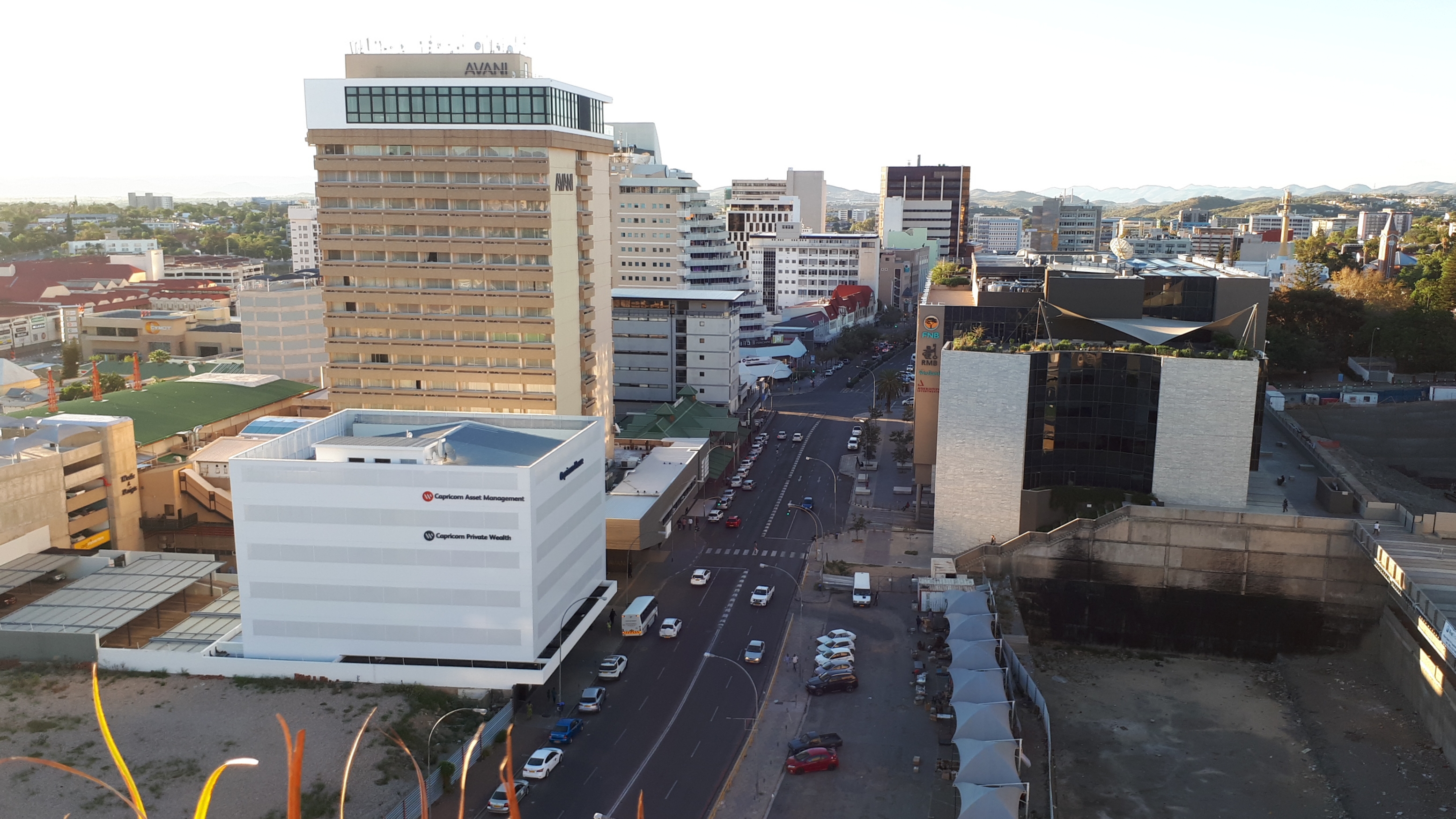
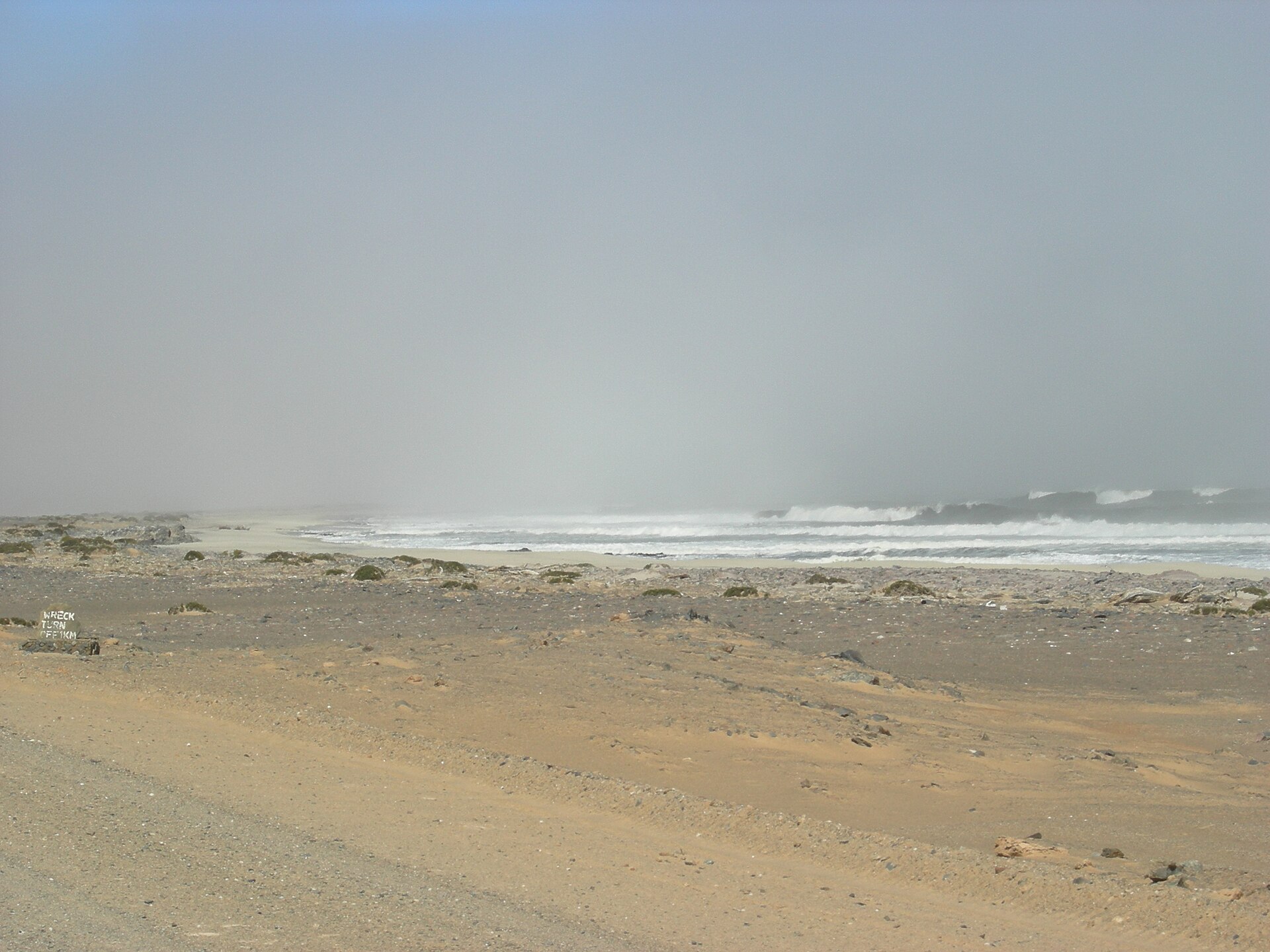
Walk the misted seafront, follow a guide into cool morning sand, and leave the car keys behind for an afternoon.
Oshikoto and Kunene approach zone
Dust hangs above the pan, hooves approach water, and the empty minutes sharpen every sound. Etosha rewards the traveler who knows how to wait.
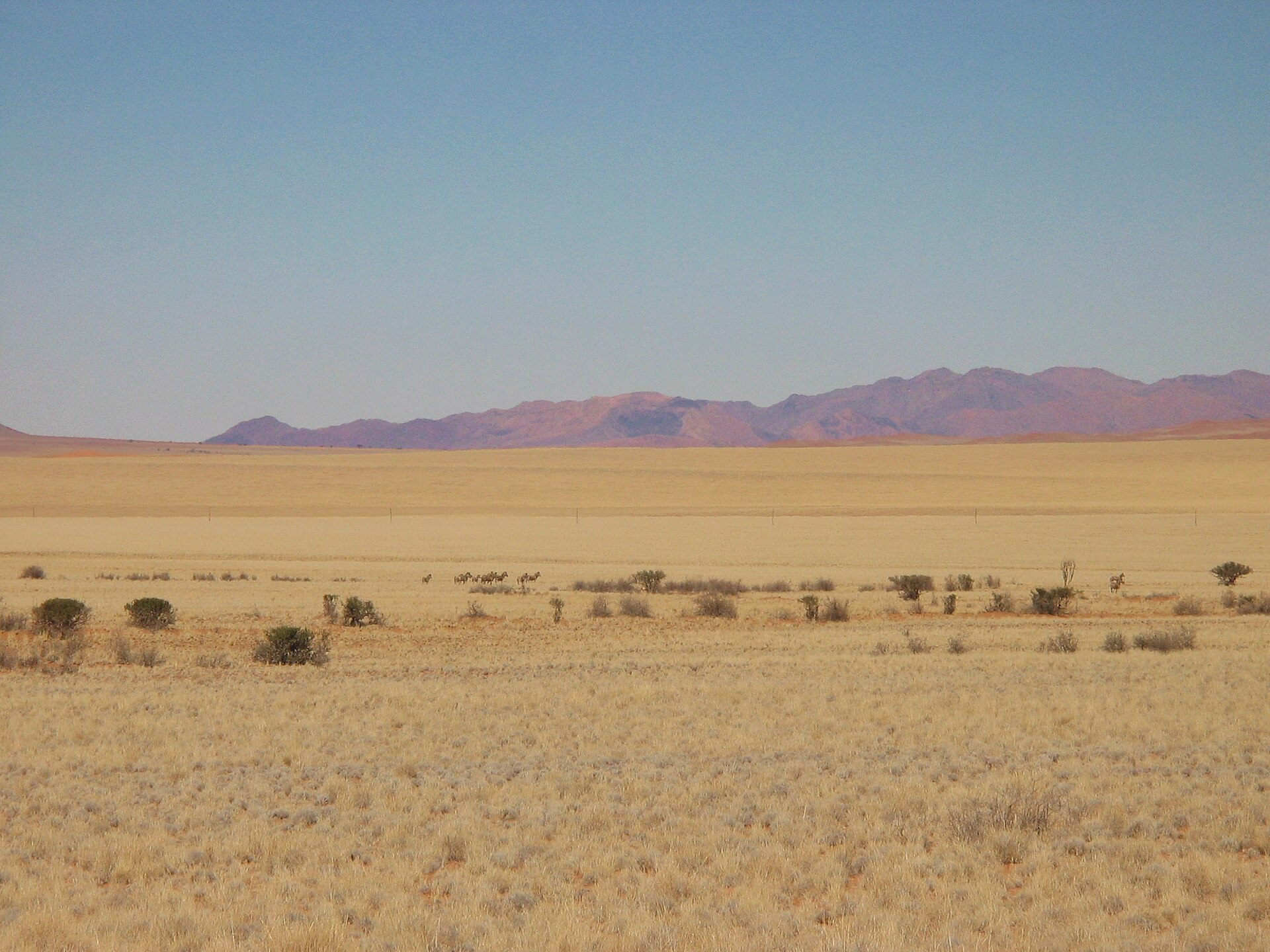
Namibia starts with distance, then gives you images sharp enough to make every mile feel earned. Sunrise divides Sossusvlei into fire and blue shadow; Deadvlei's black trees stand on white clay beneath the dunes. Days later, Atlantic fog enters the streets of Swakopmund, and an Etosha waterhole can make everyone in the car go quiet at once.
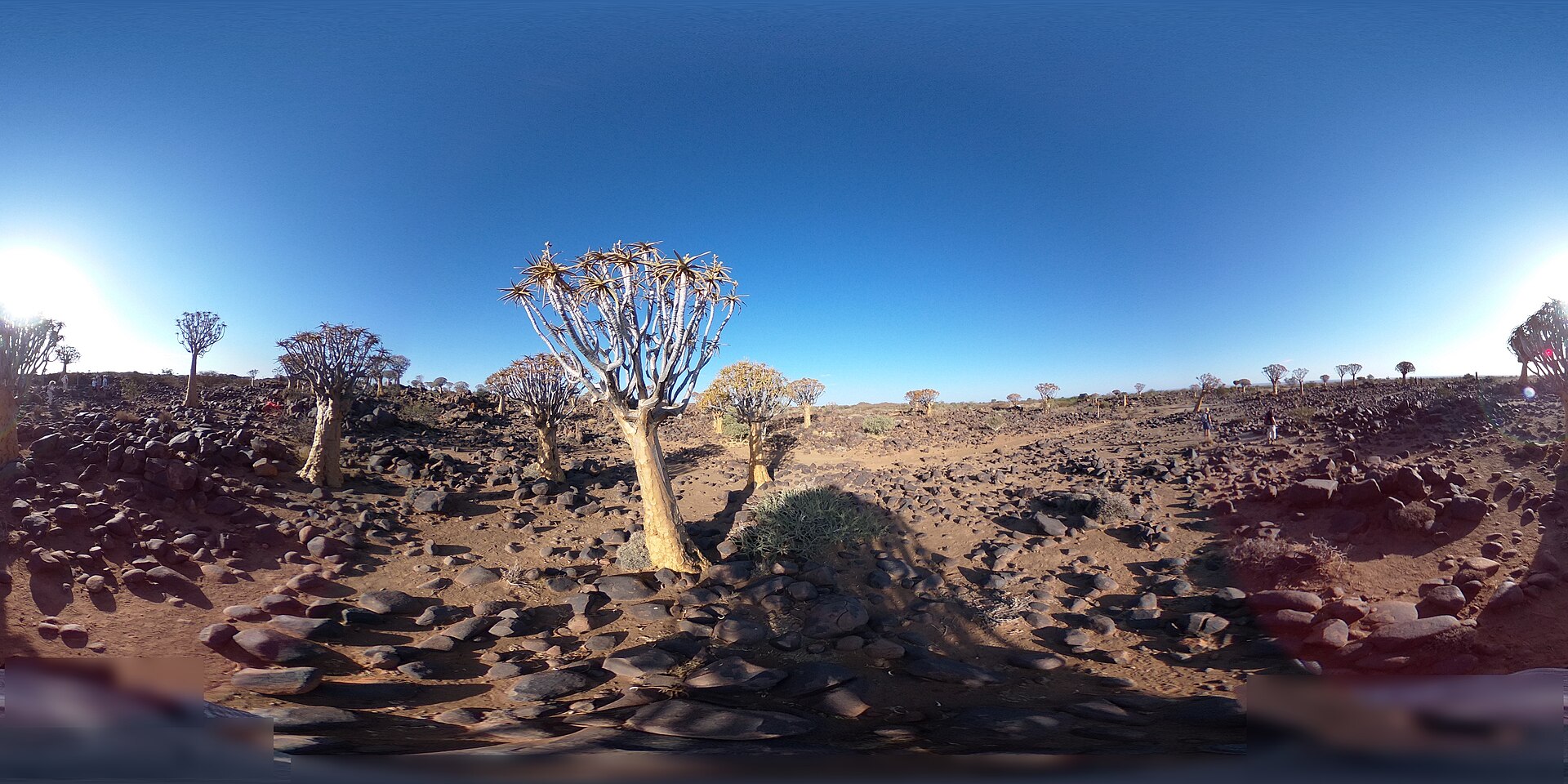
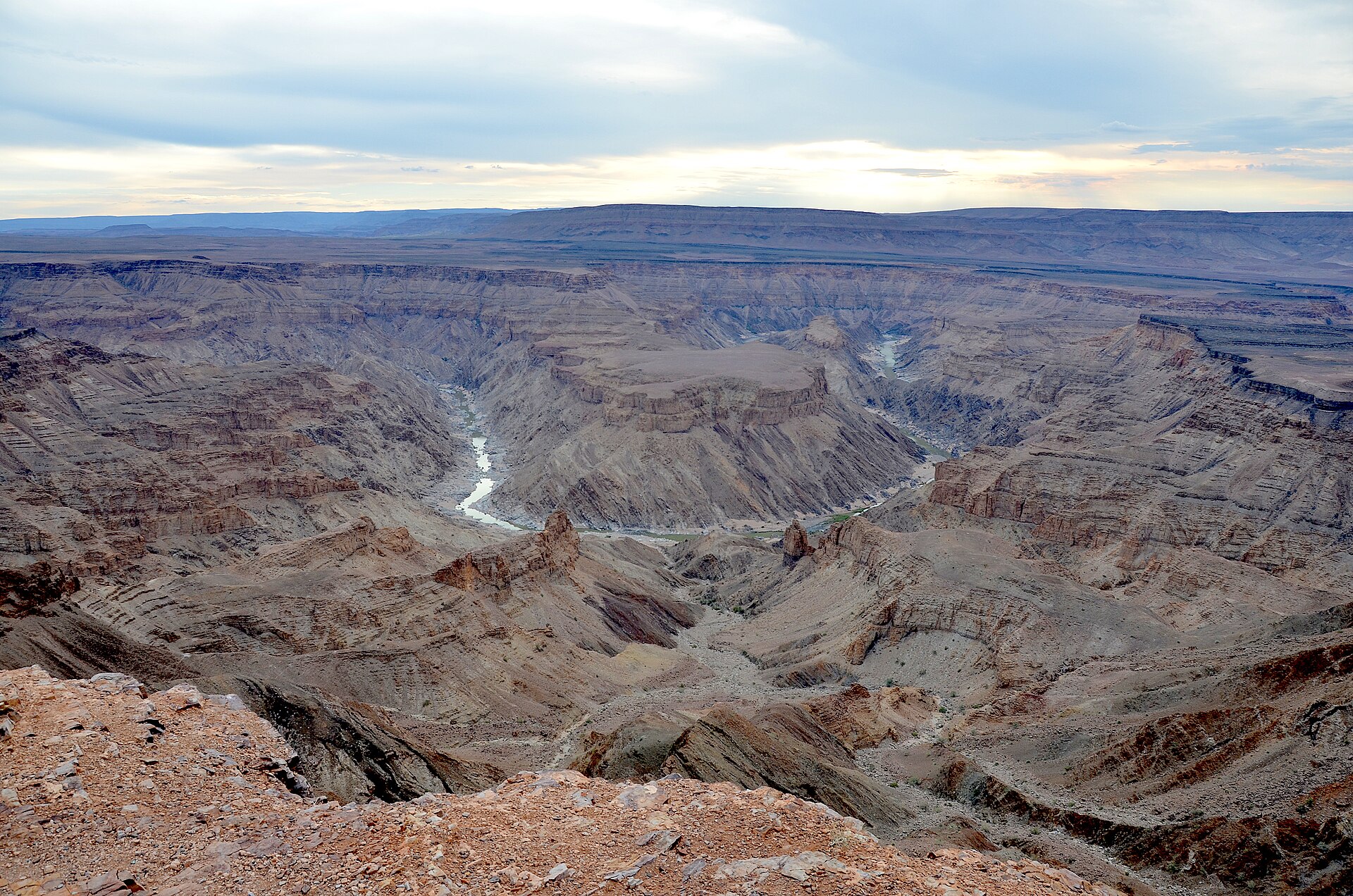
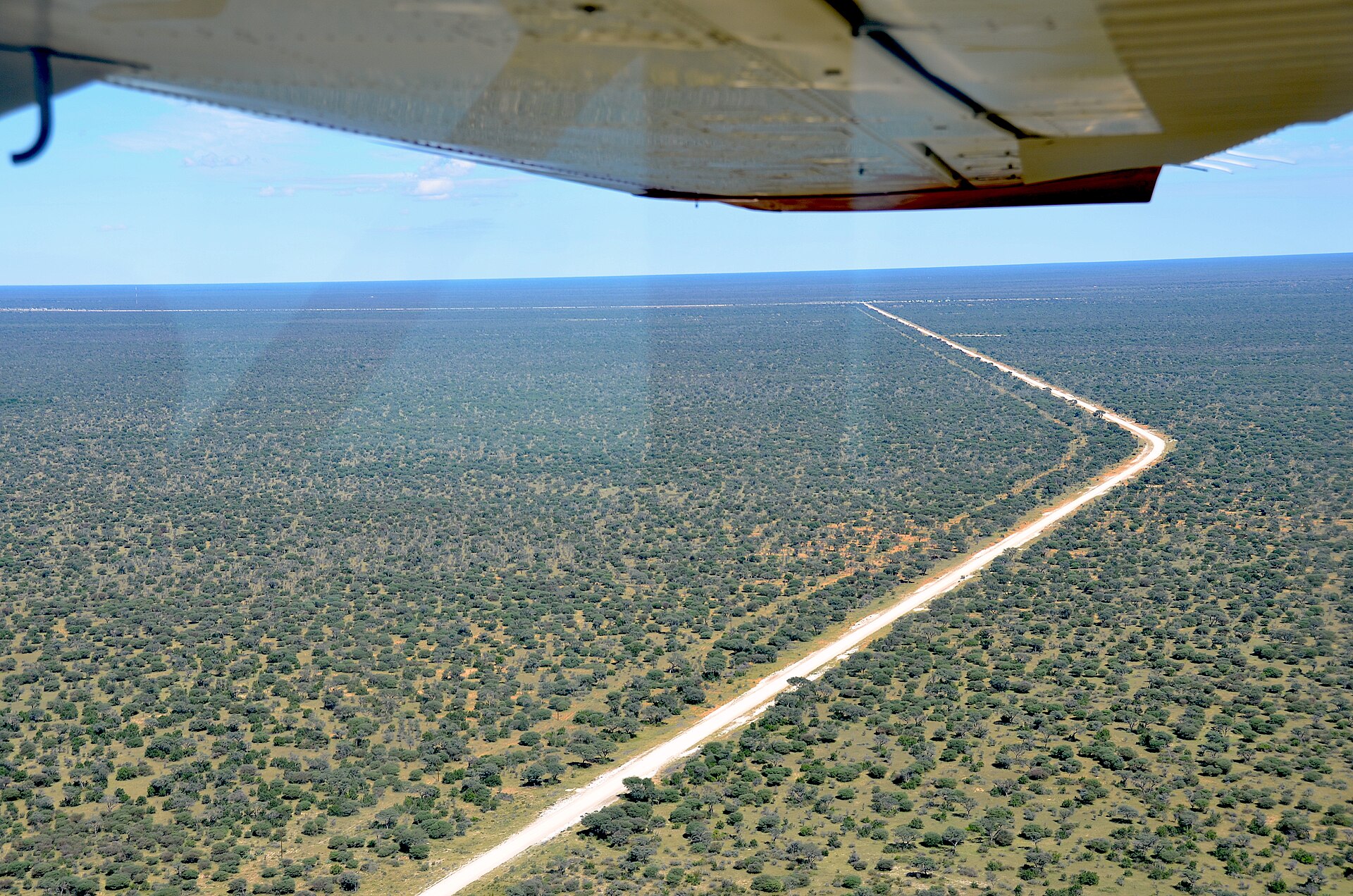
The road matters here because the landscape changes in large gestures. Gravel opens into dune country. Heat gives way to a cold coast. Stone valleys carry engravings that need a guide beside you. Farther north, the day slows to dust, shade and water.
At Twyfelfontein, a guide finds giraffe and rhino cut into warm stone. Near Swakopmund, tiny tracks reveal a desert alive under the fog. The people who know how to read these landscapes turn immensity into intimacy.
Places worth visiting
Experiences
When to go
Clear skies, cold mornings, and the easiest road-trip rhythm for first-timers. Wildlife concentrates around water, the coast stays crisp, and the desert light is clean.
The build-up to summer. The heat rises fast in the desert and Etosha can be hard by midday, but the roads stay dry and the skies often look enormous and theatrical.
Storm light, greener grass in the north, and a softer-looking country than the dry-season postcards suggest. The desert can still work, but heat and afternoon weather shape the day.
A strong shoulder season for mixed routes: cooler mornings in the dunes, fresh Atlantic fog on the coast, and steadier driving days before peak safari season fills up.
Namibia travel notes
April to August is the easiest season for a first Namibia journey: cool desert mornings, crisp Atlantic air and dry-season waterholes in Etosha. Summer brings greener northern landscapes and storm light for travelers who welcome the heat.
Read the season guideAllow 8–12 days for Namibia's classic dunes, coast and Etosha journey. Choose Epic Namibia when you want the remote north, Victoria Falls, the Okavango and the deep south in one great overland circle.
Read the route guideNamibia FAQ
Six to nine days can make a strong coast-and-Etosha circuit. Eight to twelve days gives the dunes, coast and Etosha room. Epic Namibia continues through the great rivers and Botswana before returning across the deep south.
Usually yes, because distance is the structure. Guided moments still matter inside the route — for example at Twyfelfontein, in the living desert near Swakopmund, or in craft and cultural visits around Windhoek.
Yes. Eight to twelve days gives those three anchors whole days of their own. The Epic continues far beyond them into the remote north, river country and deep south.
Journey designer
We will begin with your dates, your pace and the image that brought Namibia into your mind. From there, I will draw the journey that belongs to you.
Plan your epic journey