Days 1–2
Johannesburg
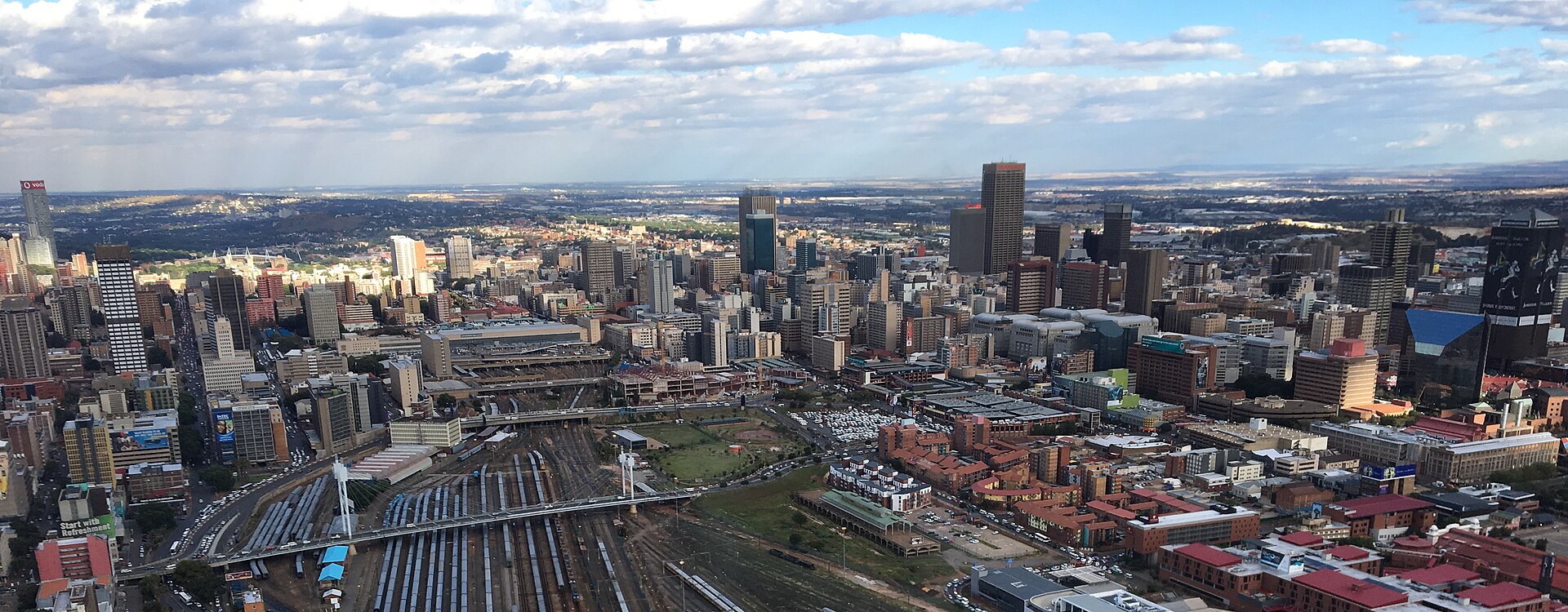
Johannesburg opens South Africa through the institutions and communities that shaped its democracy: you walk Constitution Hill, trace Soweto's political history and visit the Apartheid Museum.
I design journeys to places of power for those who want to travel deeper
50–65-day South Africa and Eswatini journey
A 50–65-day circle from Johannesburg through Kruger, the Indian Ocean coast and the Cape. The northbound return crosses Namaqualand and Kgalagadi before ending among the fossils of the Cradle of Humankind.
Designer's note
If I could make one great journey through South Africa, I would begin with Johannesburg's history and Kruger's wildlife, then follow the warm Indian Ocean to the Wild Coast and Cape Town. The return through Namaqualand and the Kalahari gives the northbound road its own wonder.
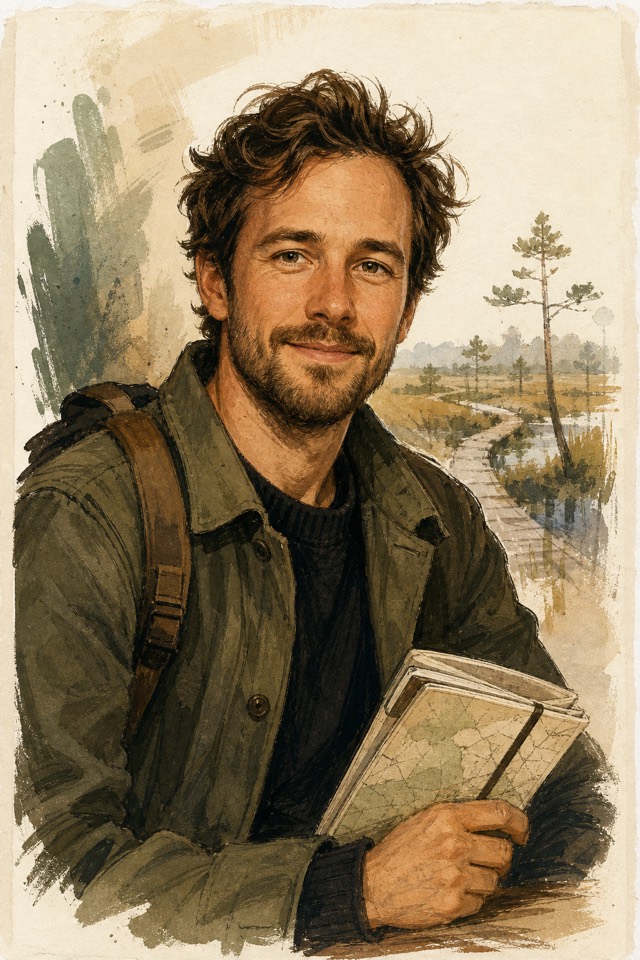
Alex
Journey designer
Johannesburg opens South Africa through the institutions and communities that shaped its democracy: you walk Constitution Hill, trace Soweto's political history and visit the Apartheid Museum.
Blyde River Canyon marks the Highveld's great drop toward Kruger: you look across it from the Three Rondavels, cross Bourke's Luck Potholes and descend into Graskop Gorge's forest.
Kruger's river forest, granite hills and mopane woodland need several wildlife days: you take sunrise and sunset drives and track prints, plants and animal movement on an authorized bush walk.
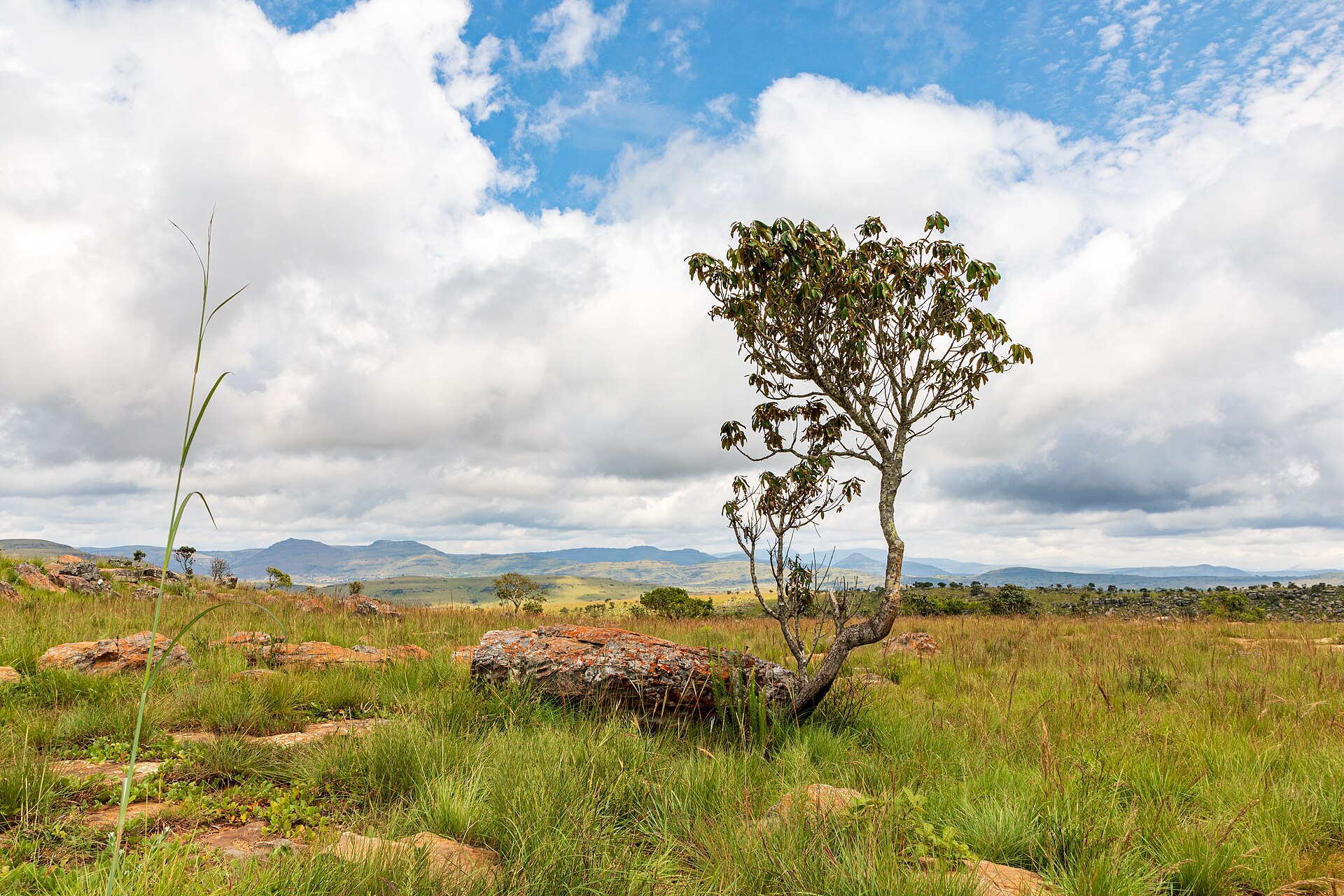
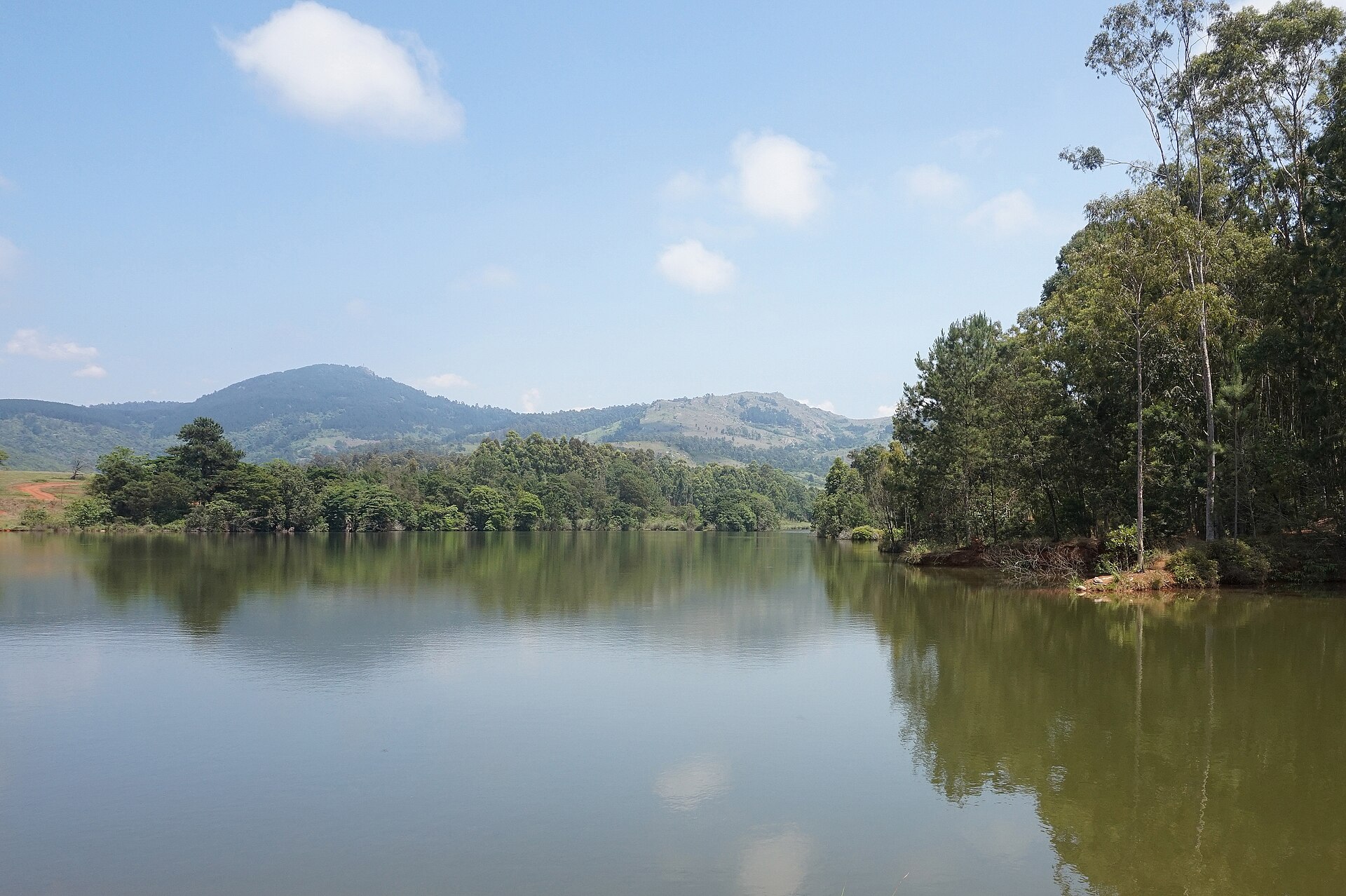
Eswatini brings walking and living craft between two safari regions: you cross Mlilwane's grasslands, watch recycled glass take shape at Ngwenya and trace rural weaving through Gone Rural.
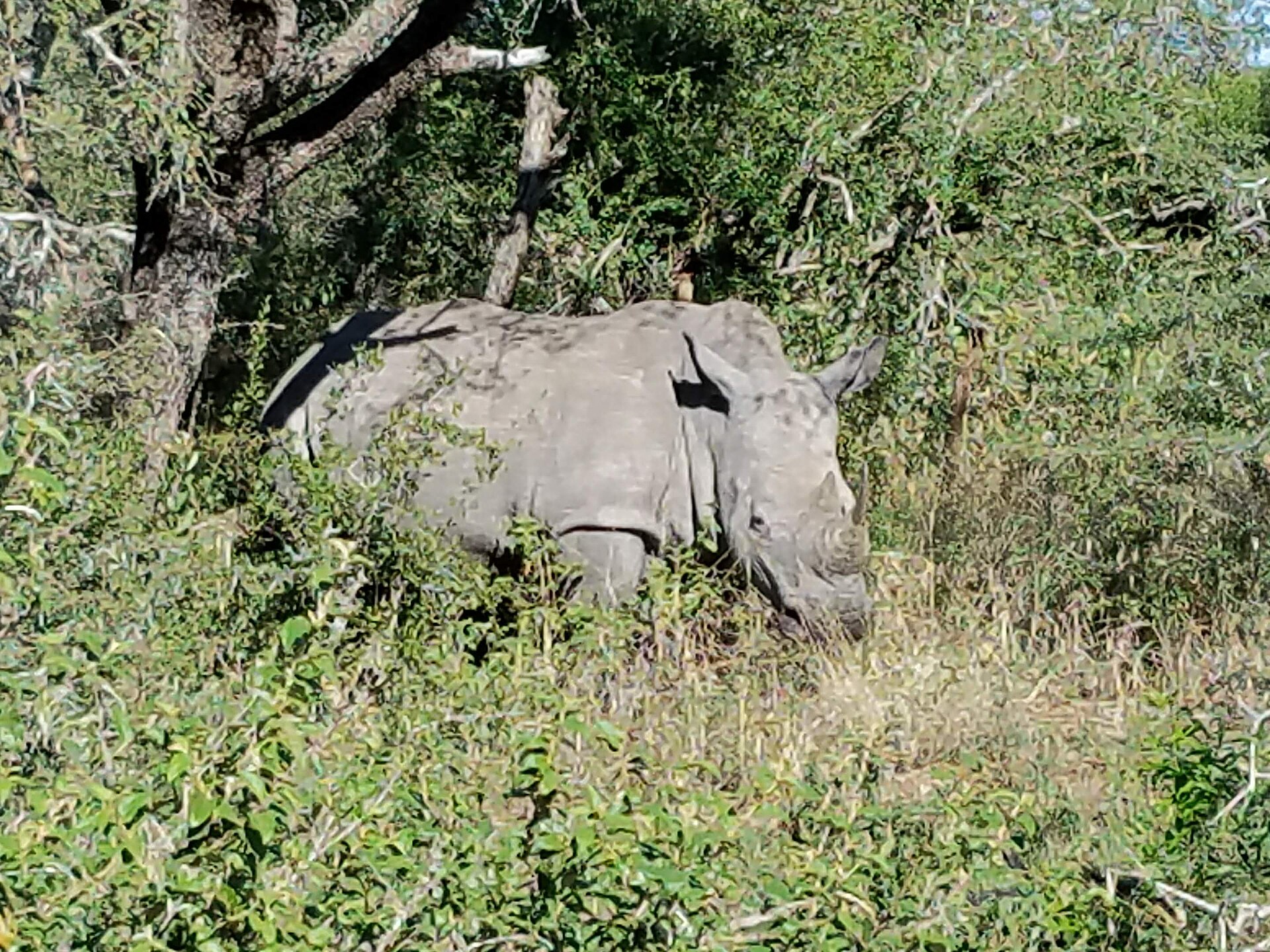
Hluhluwe-iMfolozi joins steep Zululand wildlife country to the history of white-rhino recovery: you take a sunrise drive, examine tracks on foot and visit the Game Capture Museum.
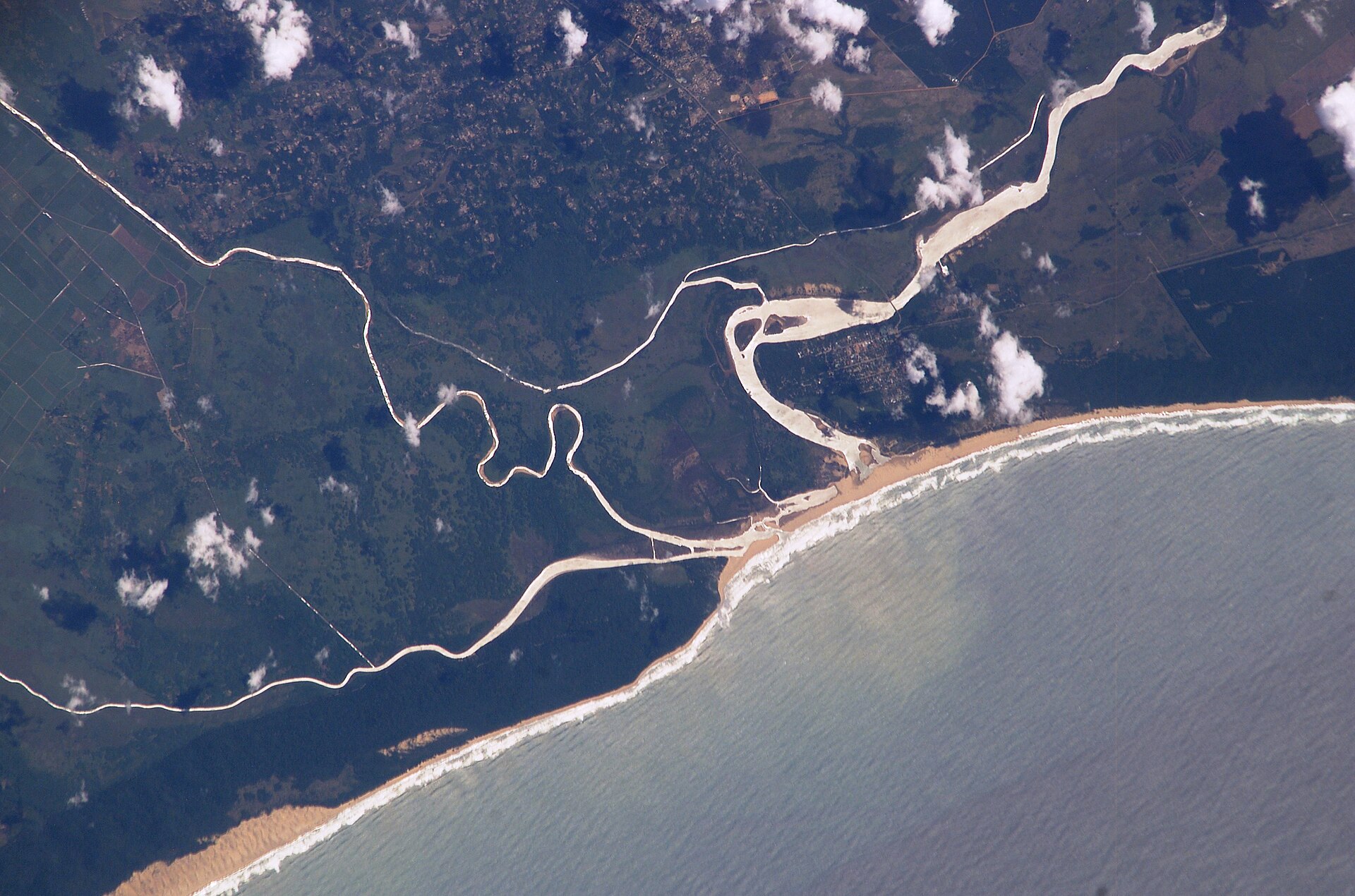
UNESCO-listed iSimangaliso links the St Lucia estuary to forested dunes and the Indian Ocean: you boat among hippos and crocodiles, drive to Cape Vidal and join a seasonal turtle walk when conditions allow.
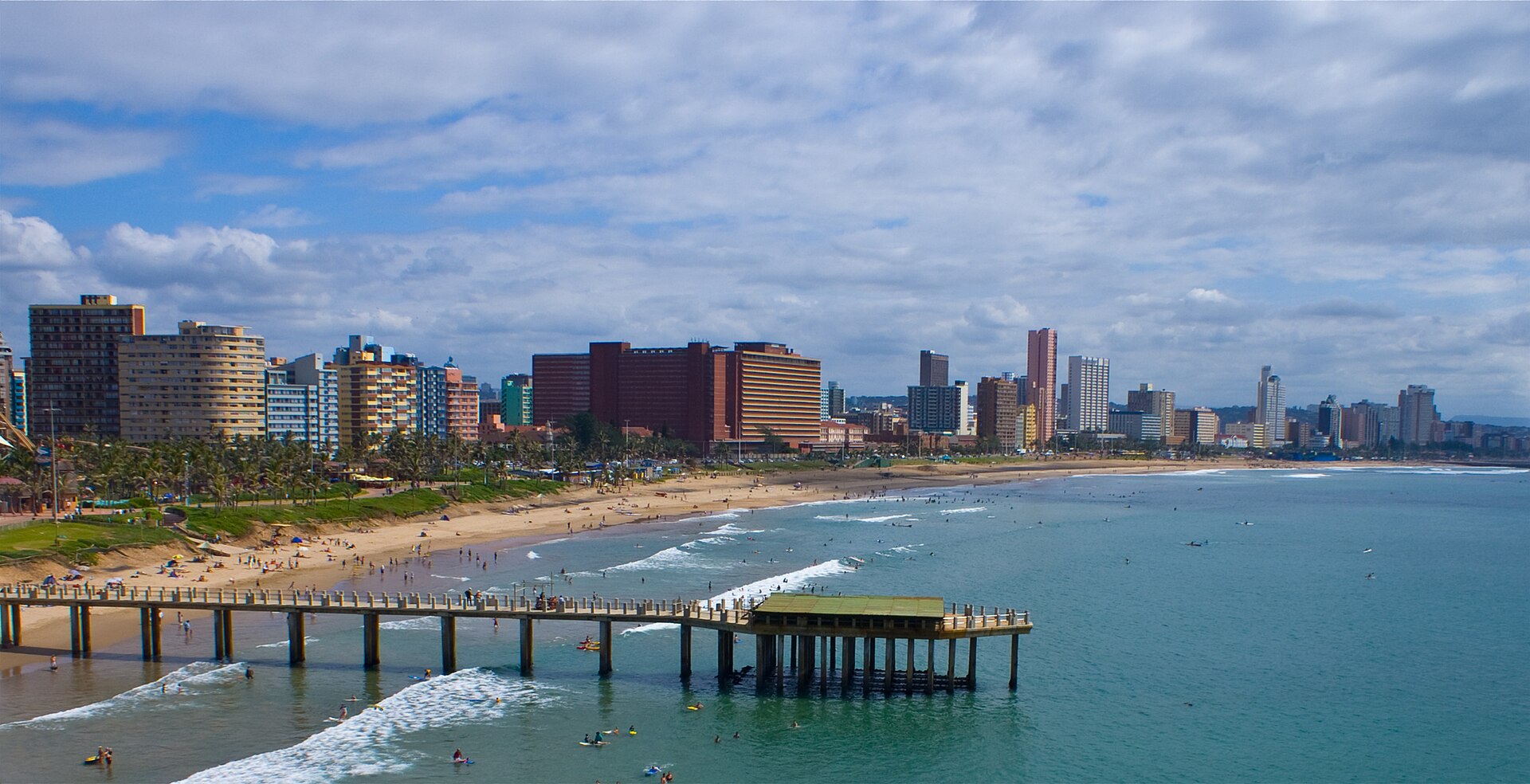
Durban is South Africa's warm-water port and the home of a distinct Indian South African food culture: you tour its markets, enter KwaMuhle Museum and take a surf lesson on the Golden Mile.
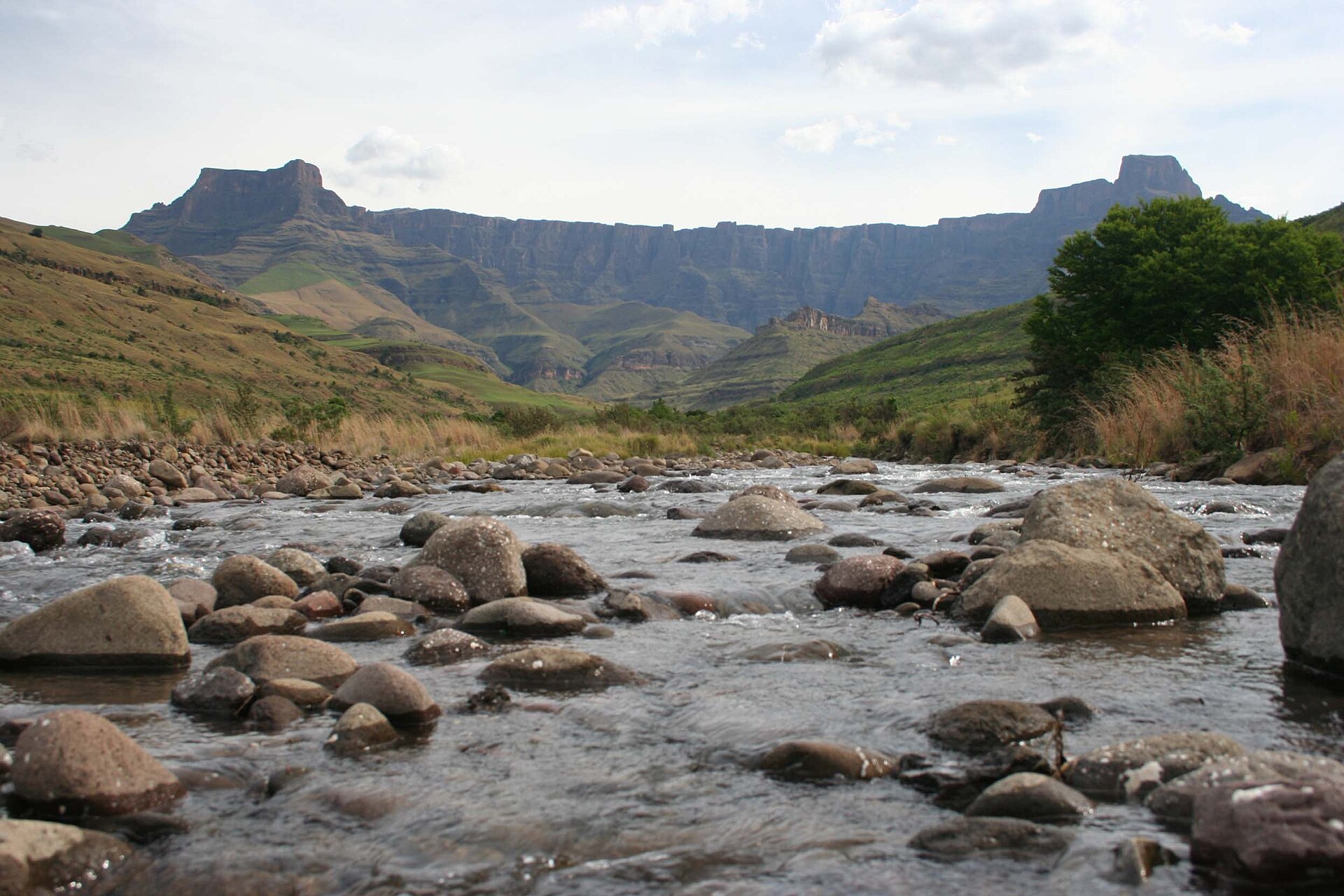
The UNESCO-listed Drakensberg combines immense basalt walls with Africa's largest concentration of San rock art south of the Sahara: you hike Tugela and Rainbow gorges and enter the painted shelters at Main Caves.
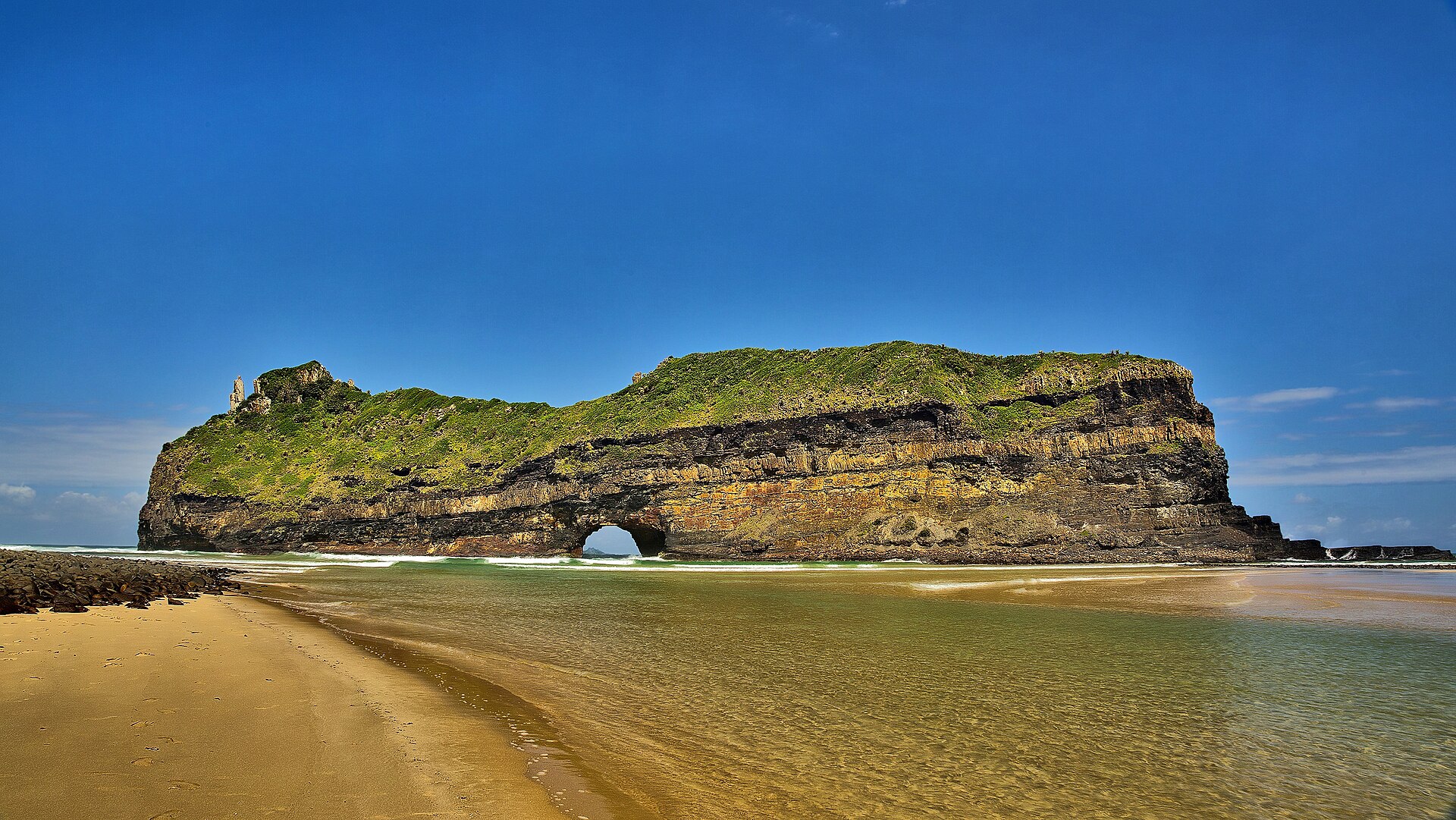
The Wild Coast remains a lived Xhosa landscape of villages, river mouths and open headlands: you hike to Hole in the Wall, canoe the Xhora River and ride from community-owned Bulungula.
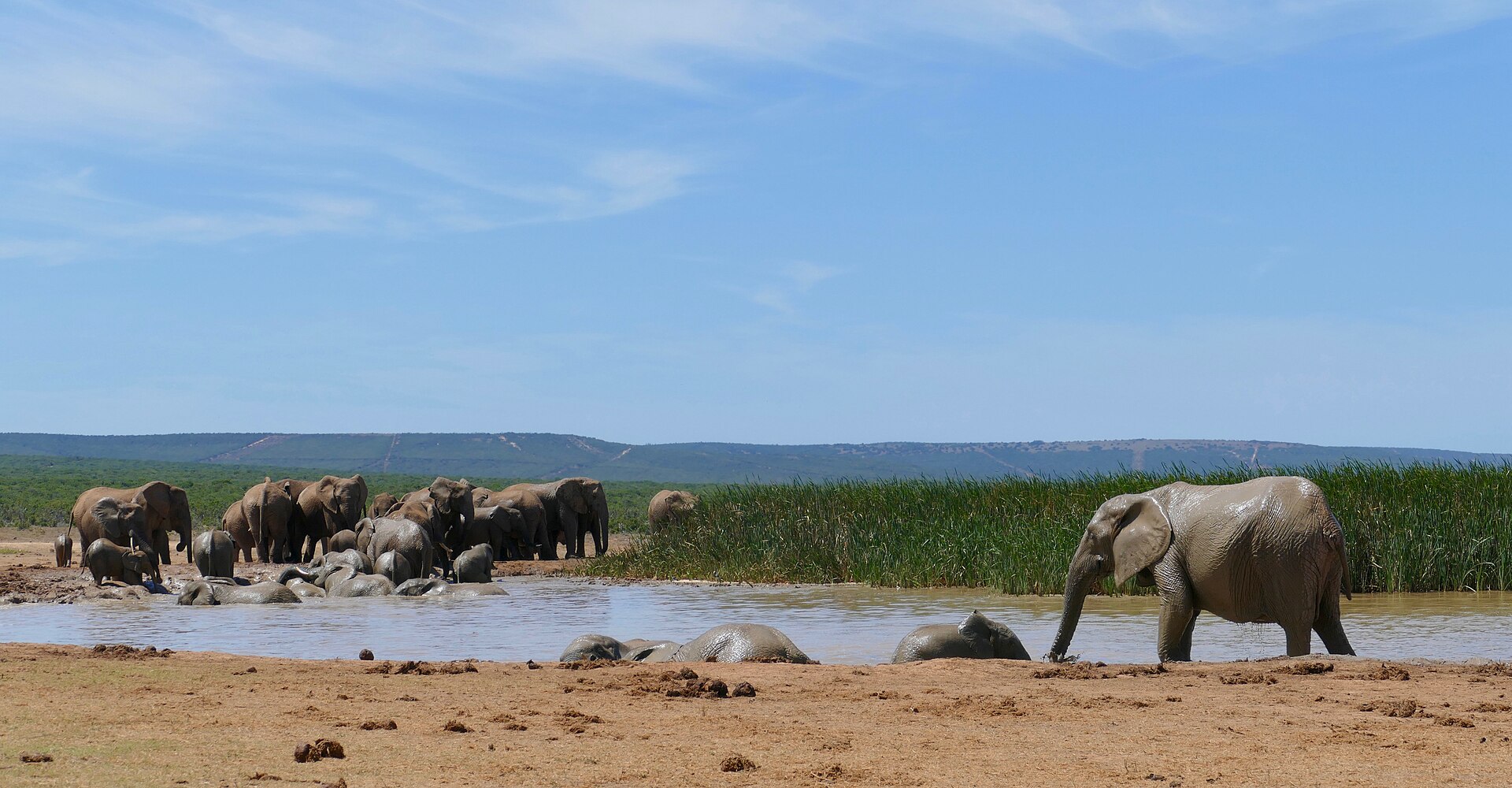
Addo protects elephants in dense spekboom thicket and a park stretching far beyond its main game loop: you take a sunrise drive, wait at Hapoor Dam and cross the Bedrogfontein 4x4 trail.
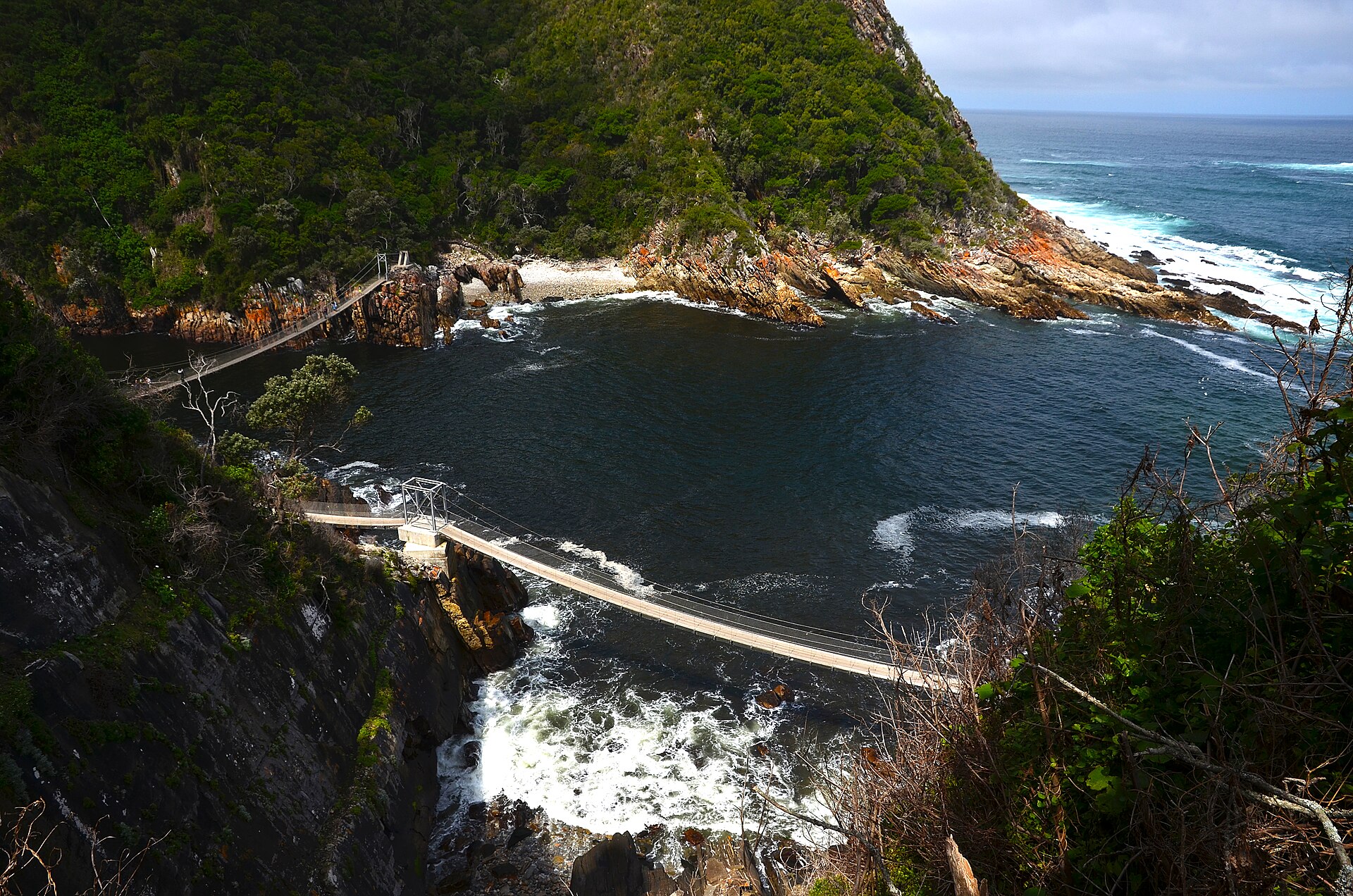
Along the Garden Route, indigenous forest meets tannin-dark rivers and the Indian Ocean: you walk Storms River Mouth, kayak into its gorge and hike Robberg Peninsula above the surf.
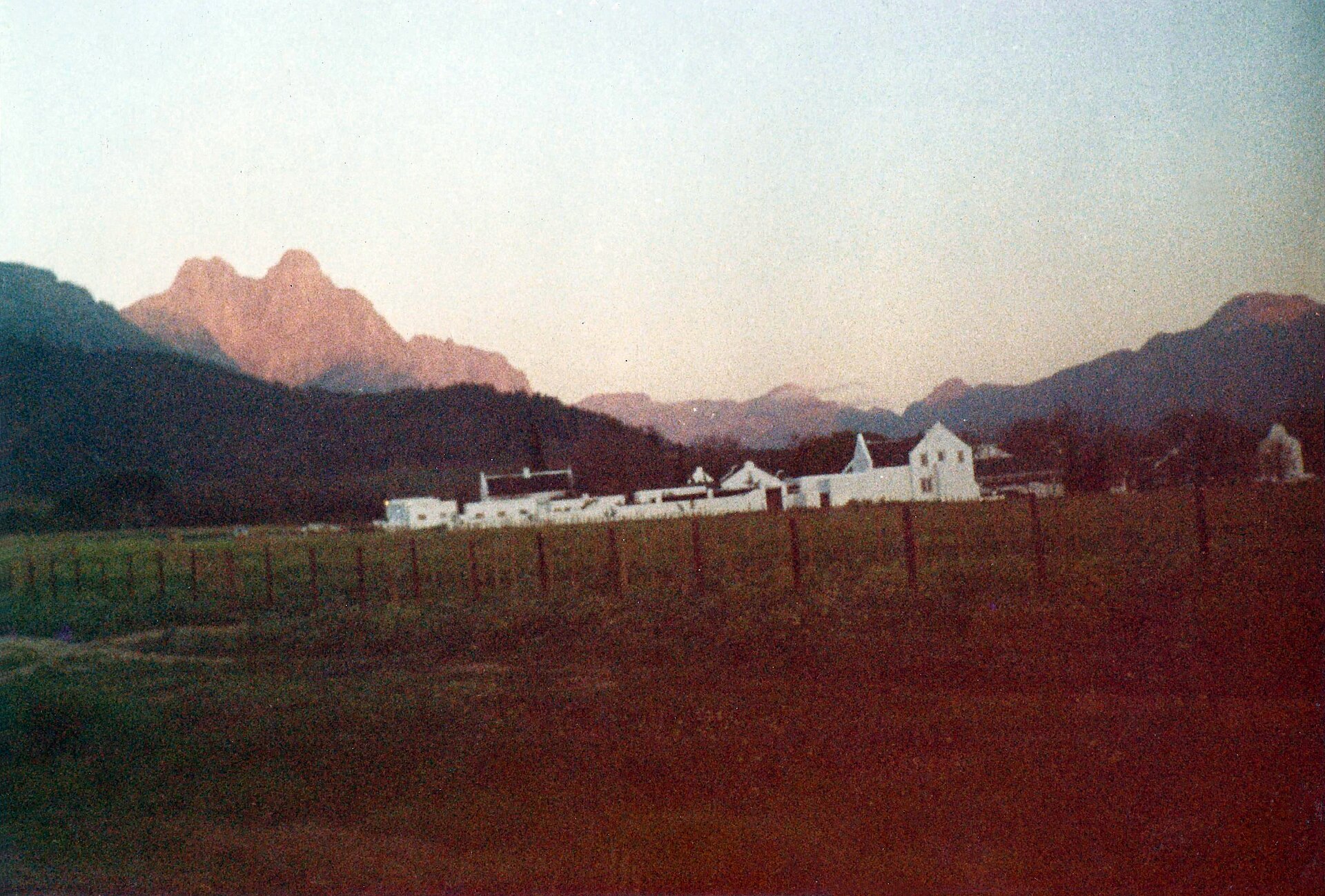
The Cape Winelands place old vineyards beneath the Jonkershoek mountains: you cycle Stellenbosch's farm roads, taste certified old-vine wines and walk through fynbos to Eerste Waterfall.
Cape Town places exceptional fynbos above a city shaped by slavery and forced removal: you walk Table Mountain, enter District Six with lived testimony and kayak near Boulders penguin colony.
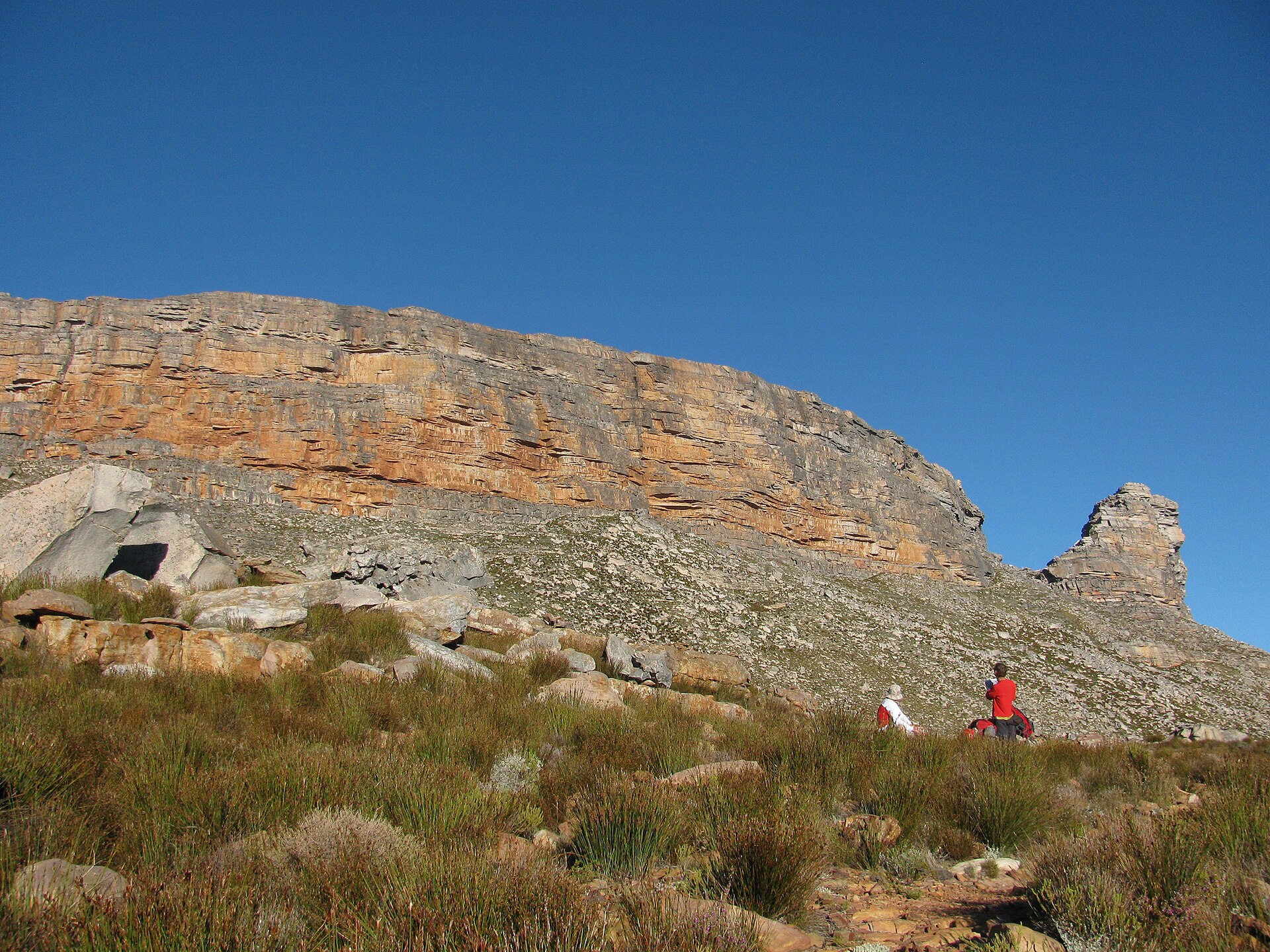
The Cederberg is a wilderness of iron-red sandstone and the natural home of rooibos: you hike Wolfberg Cracks, pair Stadsaal's caves with protected rock art and visit a working farm.
Namaqualand holds extraordinary succulent diversity and a brief, rain-led spring bloom: you walk Skilpad and Hantam's flower trails, then examine drought adaptations at Goegap's living collection.
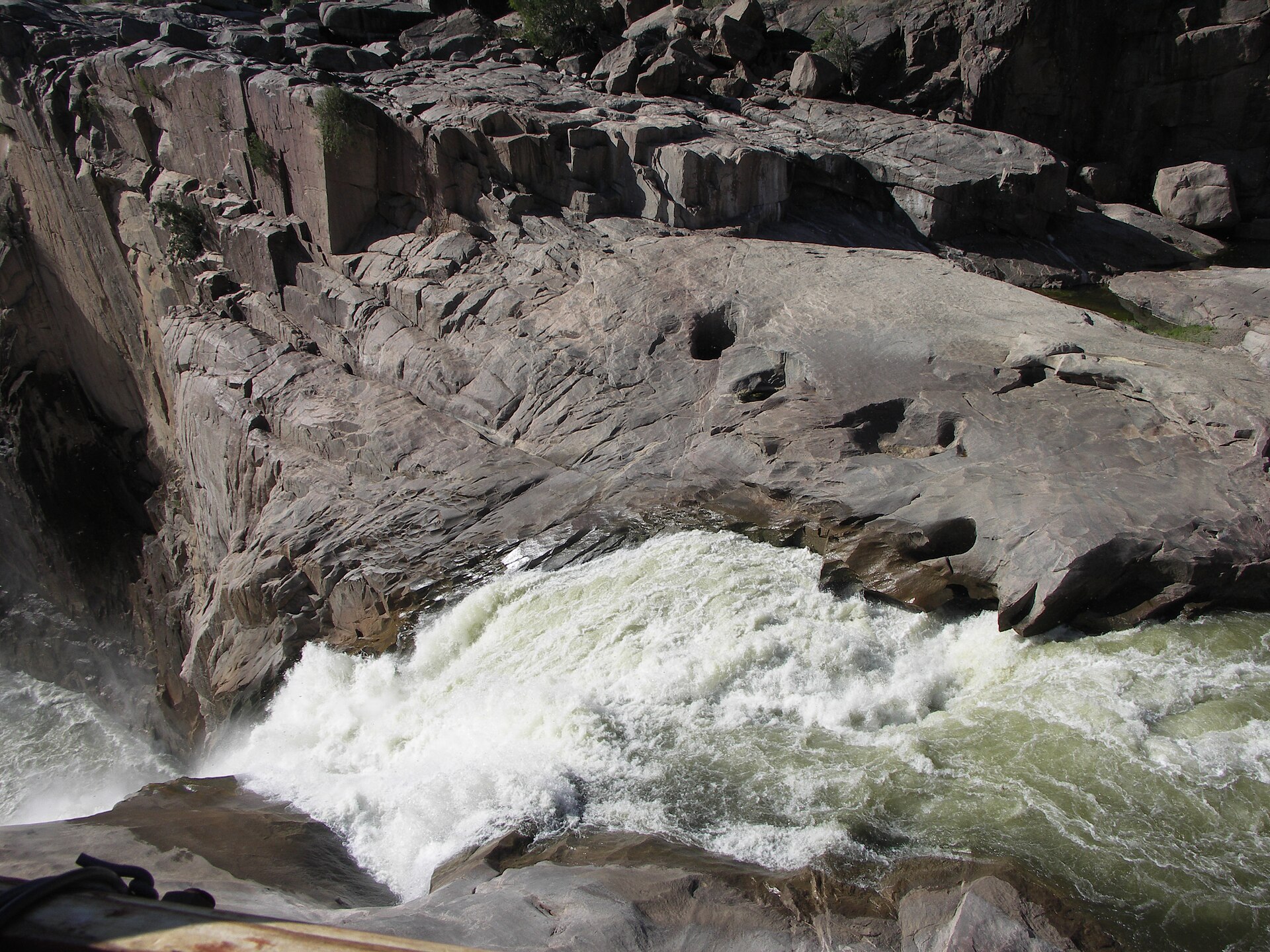
At Augrabies, the Orange River is forced through fractured granite: you follow the falls boardwalks, climb the Moon Rock dome and hike the Dassie Trail through the wider arid park.
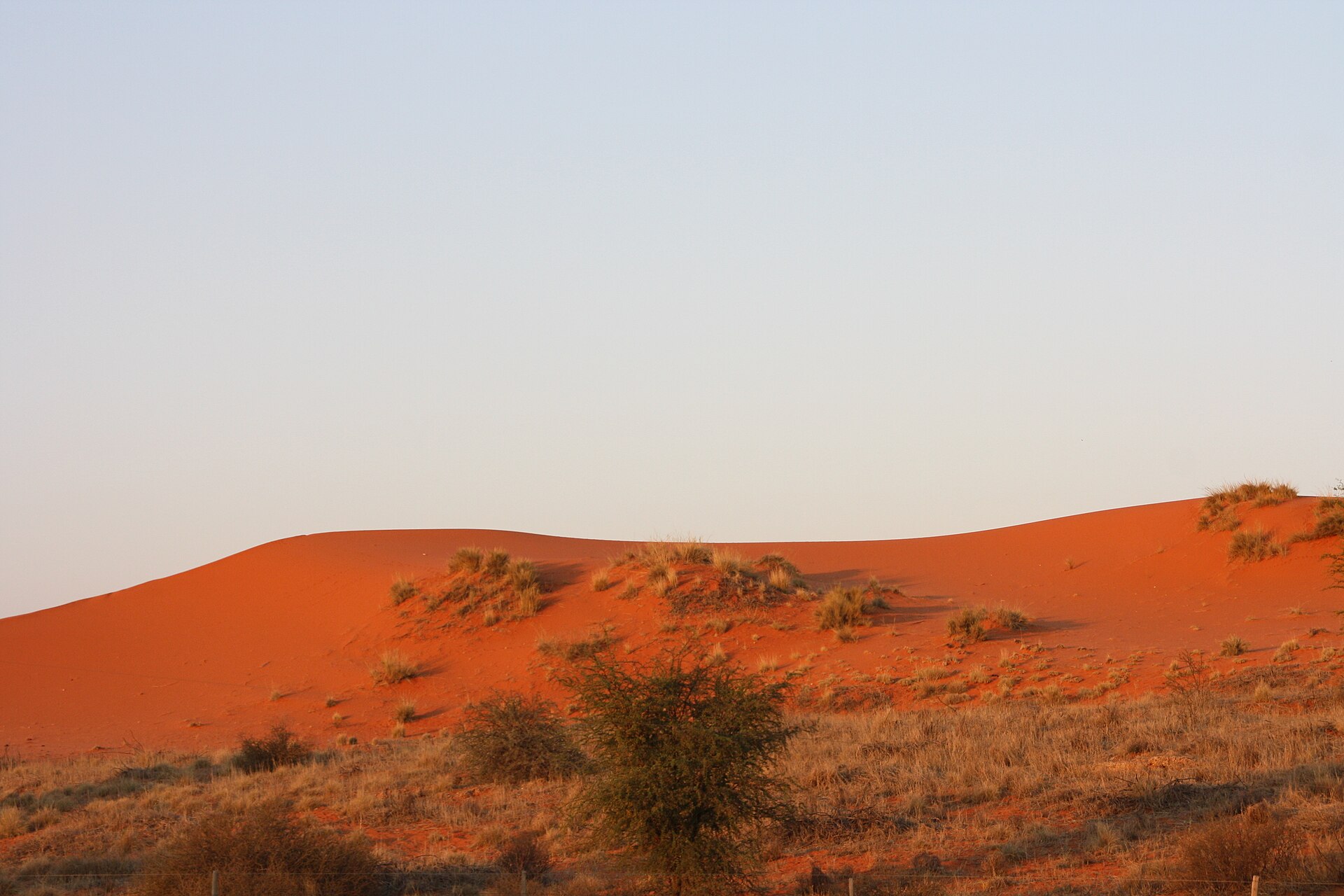
Kgalagadi's dry riverbeds channel wildlife between red Kalahari dunes: you follow the Auob at dawn, join a sunset drive and learn how ǂKhomani knowledge reads tracks, plants and water.
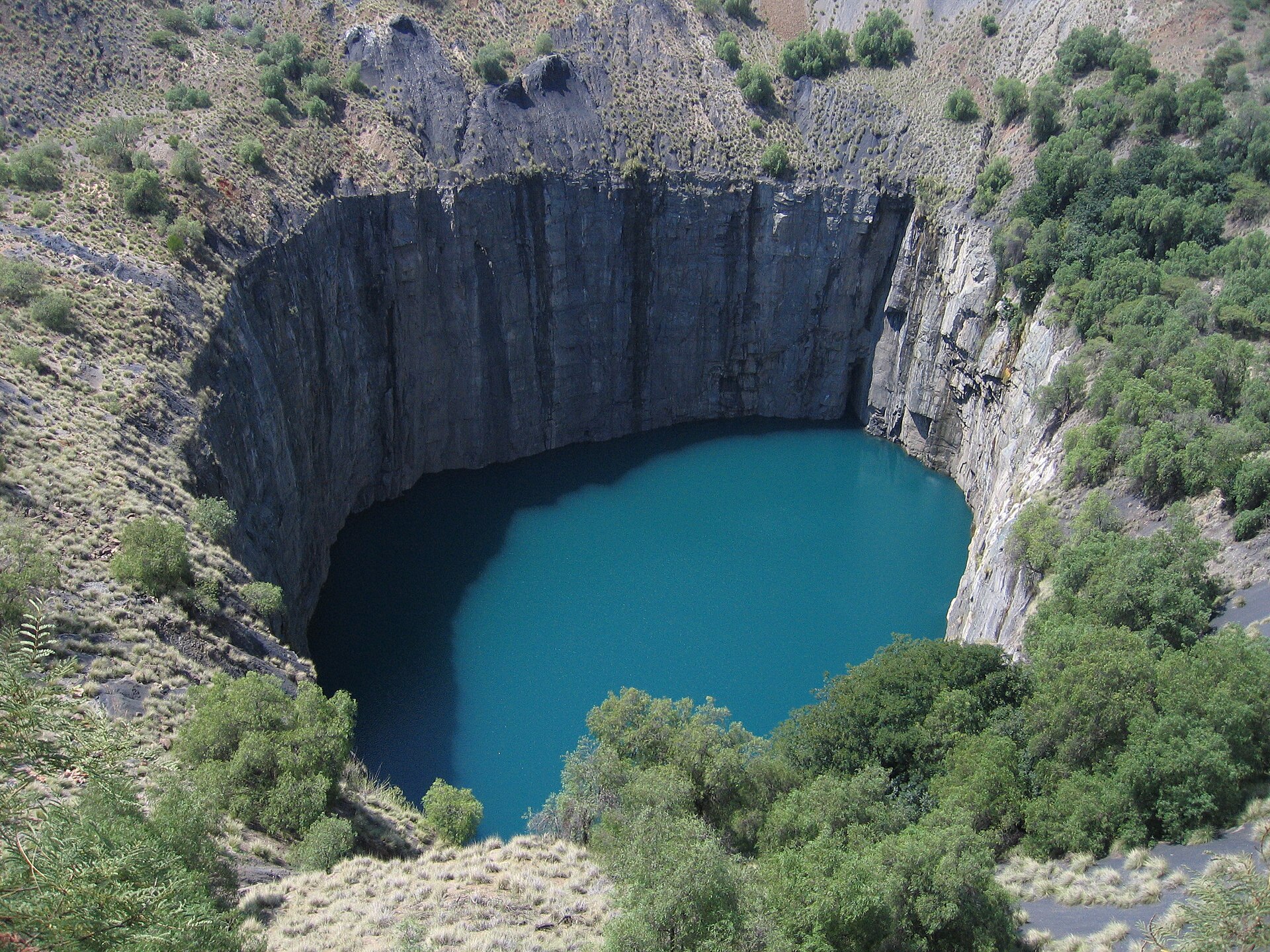
Kimberley makes the diamond rush's scale and human cost visible: you look into the Big Hole, trace labor systems in the mine museum and walk the older engravings at Wildebeest Kuil.
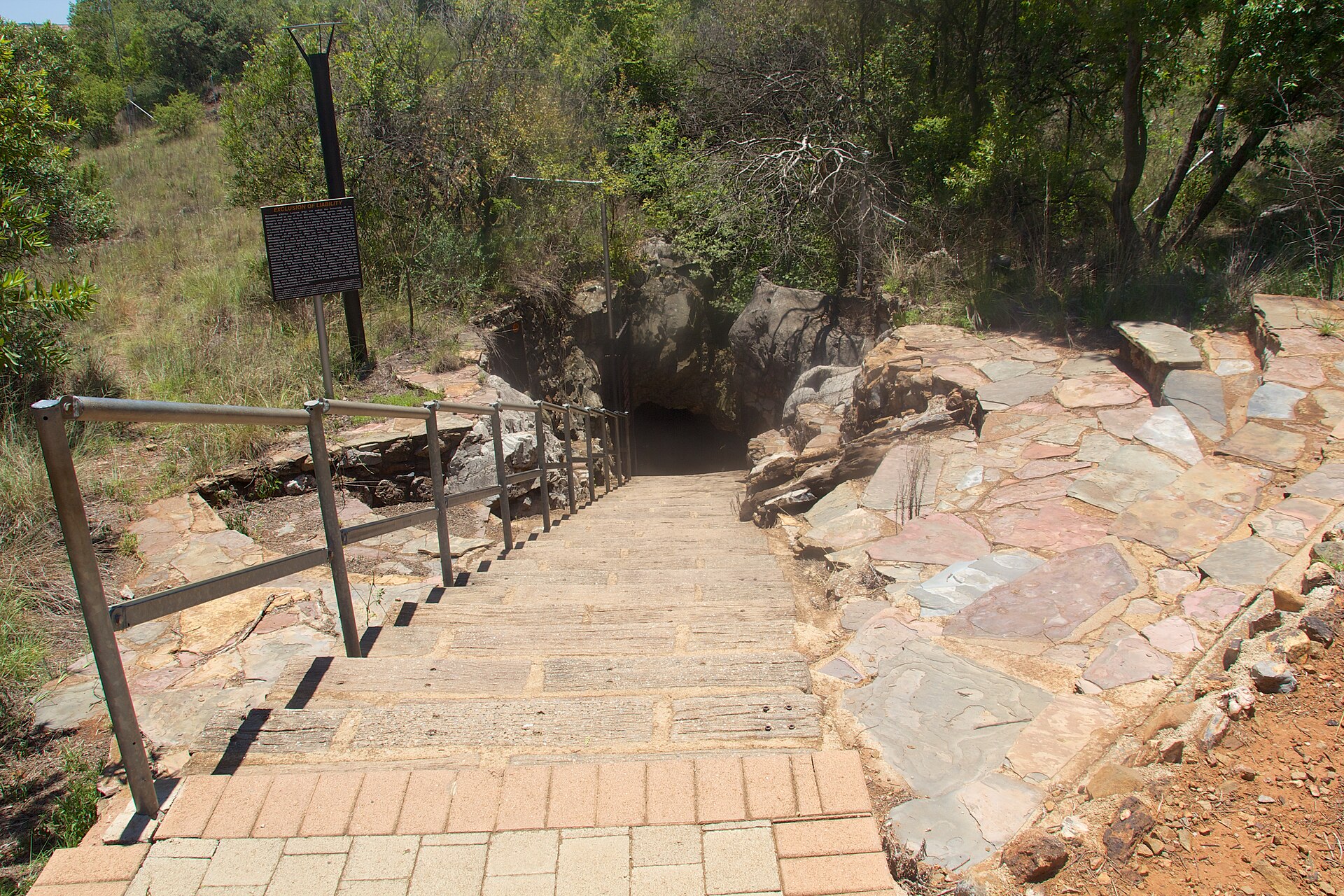
The UNESCO-listed Cradle holds one of the world's richest records of human evolution: you begin at Maropeng, descend WonderCave and visit active fossil sites at Malapa and Gladysvale.
From the Cradle of Humankind, you return to Johannesburg for Constitution Hill or the Apartheid Museum before departure.
Best time
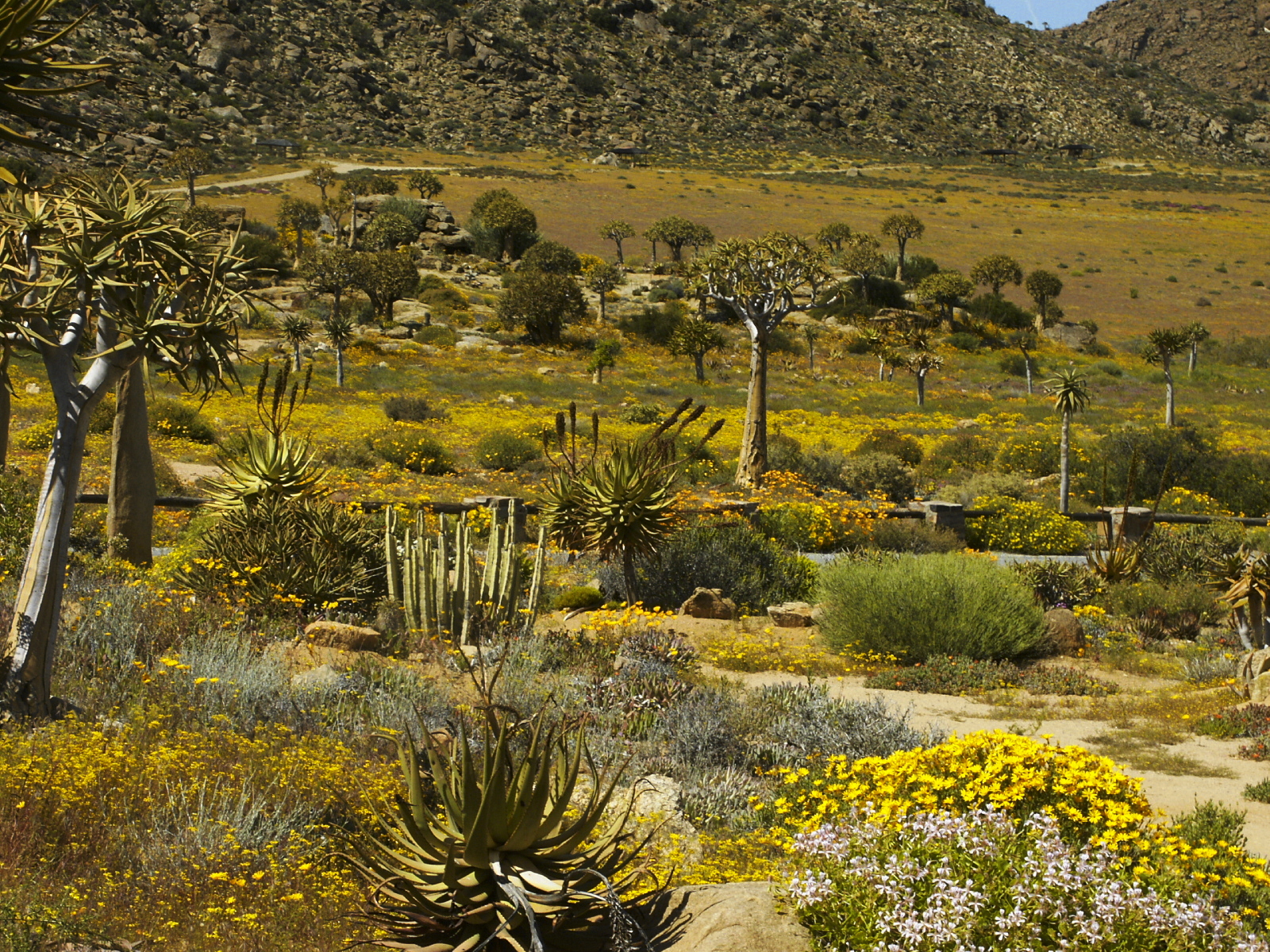
Namaqualand can flower after winter rain while safari country remains dry. Displays vary with weather, so the route follows current reports rather than promising one fixed field.
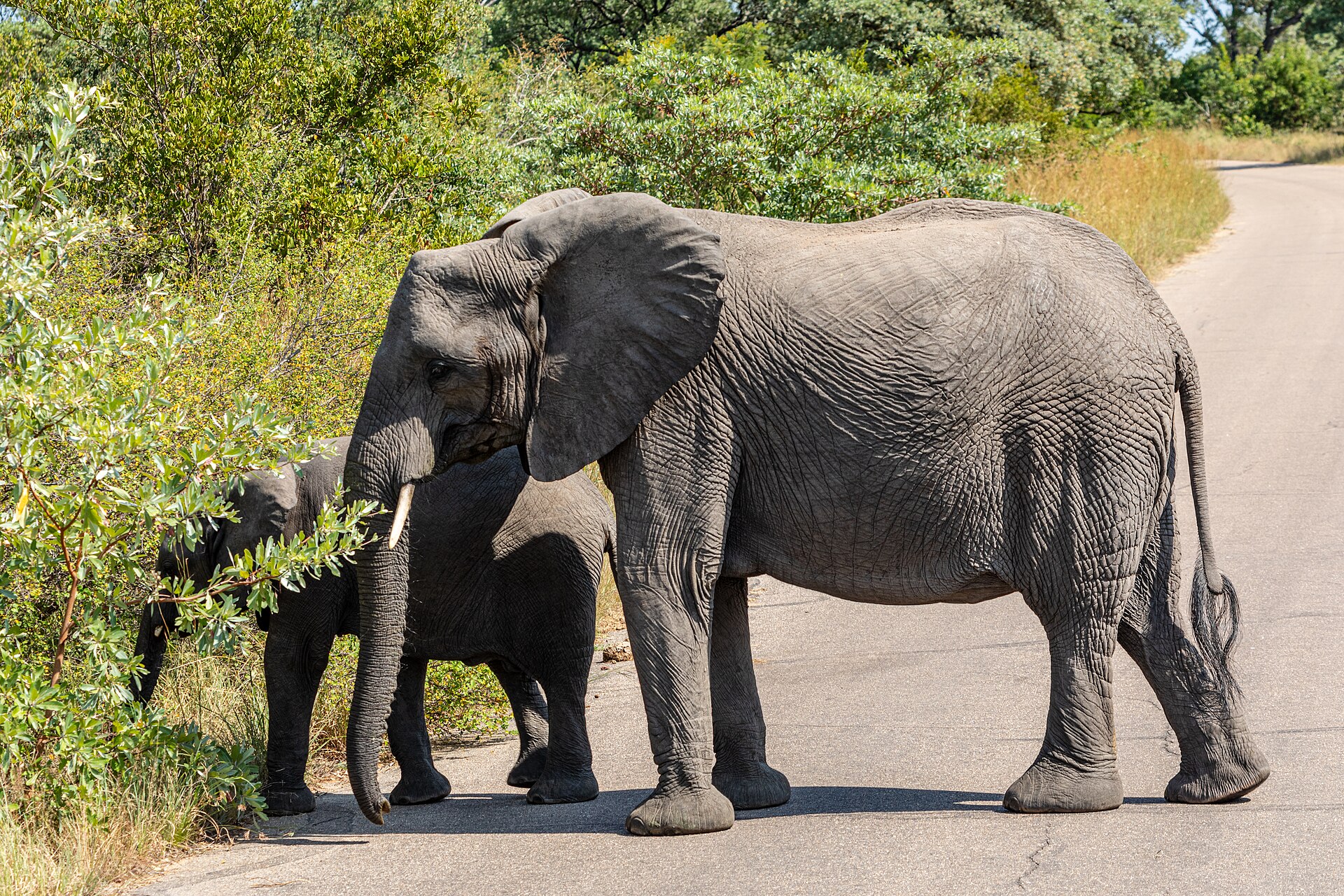
Cool, dry days make this the easiest eastern safari season. Kruger vegetation thins, mornings can be cold inland and the Cape receives its winter rain.
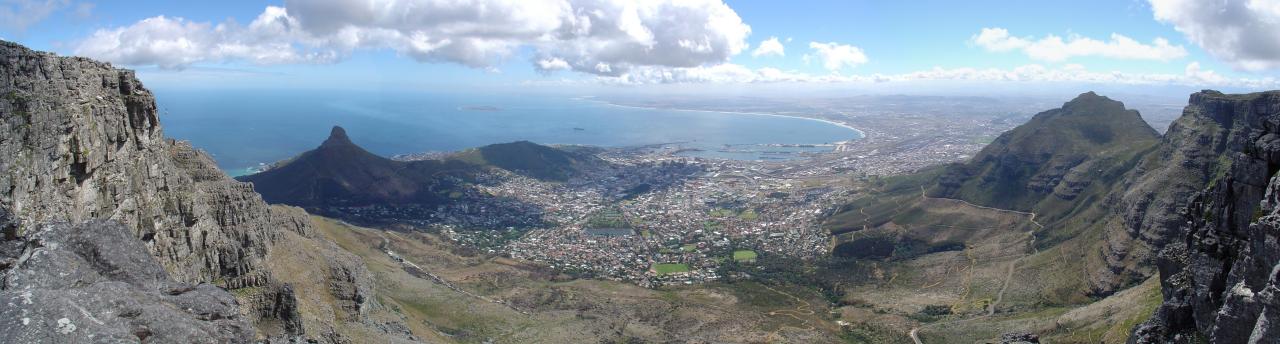
Long, dry Cape days favour the peninsula, Winelands and Garden Route. The eastern interior is hotter and summer rain can turn safari afternoons dramatic.
Epic South Africa FAQ
The route crosses several complete regions, protects multi-day safari and walking bases, and makes the Northern Cape return meaningful. Shortening it sharply would turn the Wild Coast, Cape or Kalahari into transfer scenery.
It creates the cleanest southbound line from Kruger to KwaZulu-Natal and earns two days through grassland walking, recycled glass and rural weaving.
No. The August-September edition follows current bloom reports; the year-round route values the succulent desert even without flowers.
That depends on cross-border permissions, remote-road rules and supplier terms for the actual dates. The vehicle and any handovers are confirmed before offering the journey.
Journey designer
We begin with the part of South Africa you most want to feel, then give the country enough time to change around you.
Design your journey