South Africa living history and culture journeysConstitution Hill, Zulu and Xhosa country, San rock art, Cape memory and mining cities place South Africa's landscapes inside histories that remain alive.Explore South Africa culture journeys
I design journeys to places of power for those who want to travel deeper
Gauteng travel guide
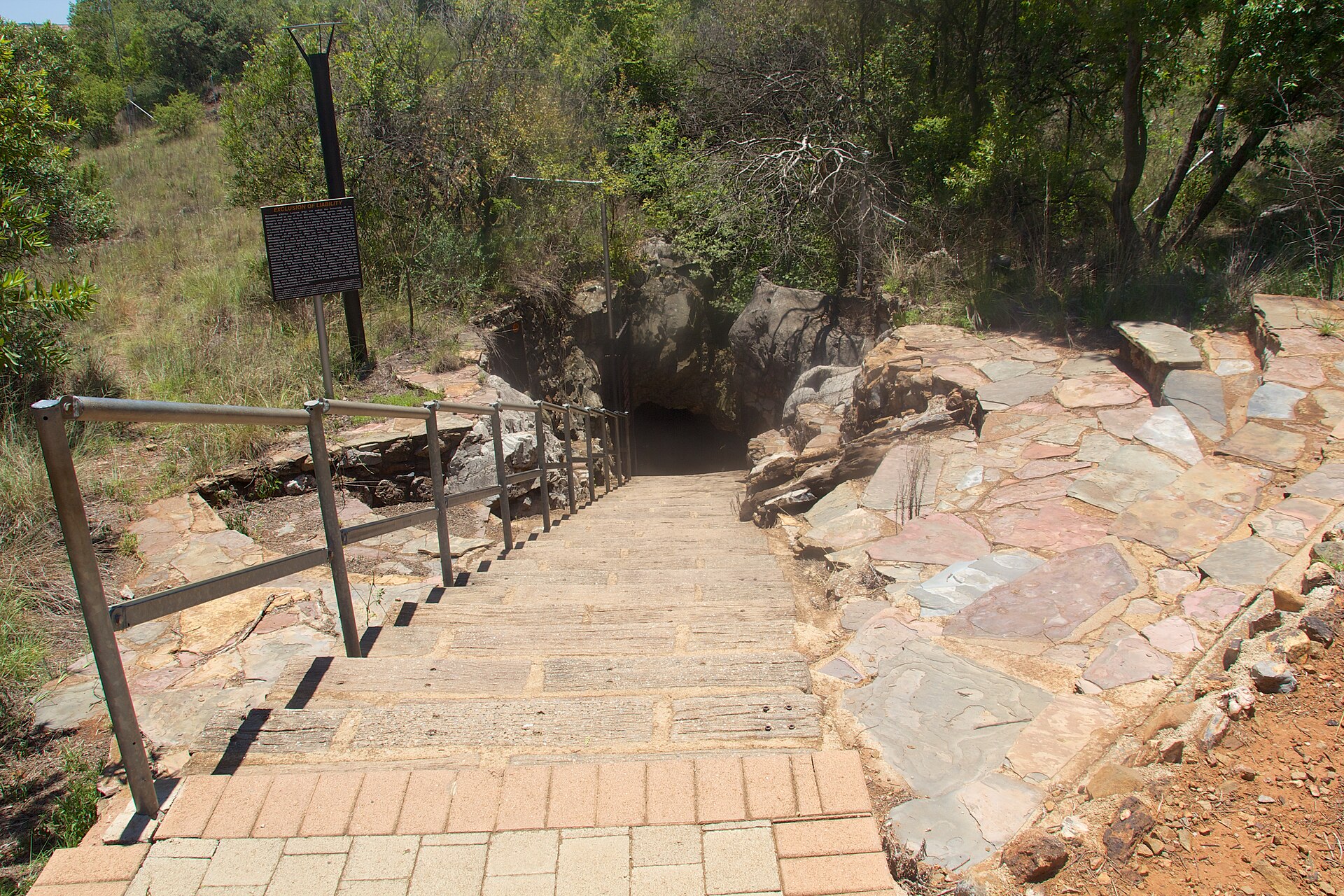
The Cradle of Humankind holds limestone caves and fossil evidence that pull the South Africa journey into deep time. It is a quieter final perspective before Johannesburg returns.
Cradle of Humankind in brief
West of Johannesburg, dolomitic limestone holds caves and fossil deposits that have changed how the human story is understood. The landscape above is modest; the depth lies below it and across immense spans of time.
At the end of a national circle, the Cradle alters scale one final time. The journey has crossed living cultures, recent histories and ancient rock art. Here, human presence becomes older than any border on the map.
After fifty days of borders, cities and landscapes, a fragment of bone in limestone makes the human horizon suddenly much older.
 AlexJourney designer
Designer's note
I save a final day for the Cradle of Humankind, where caves and hominin fossils place every landscape we have crossed inside a much older story.
Alex
Journey designer
I place deep time at the end of the national circle so the return to Johannesburg remains meaningful.
Human-evolution evidence deserves clarity beyond a display label.
Cave and fossil experiences depend on current operations and conservation rules.
The short road to Johannesburg leaves the fossils and limestone ridges close in mind.
Fossils and caves
Final journey days
Best time
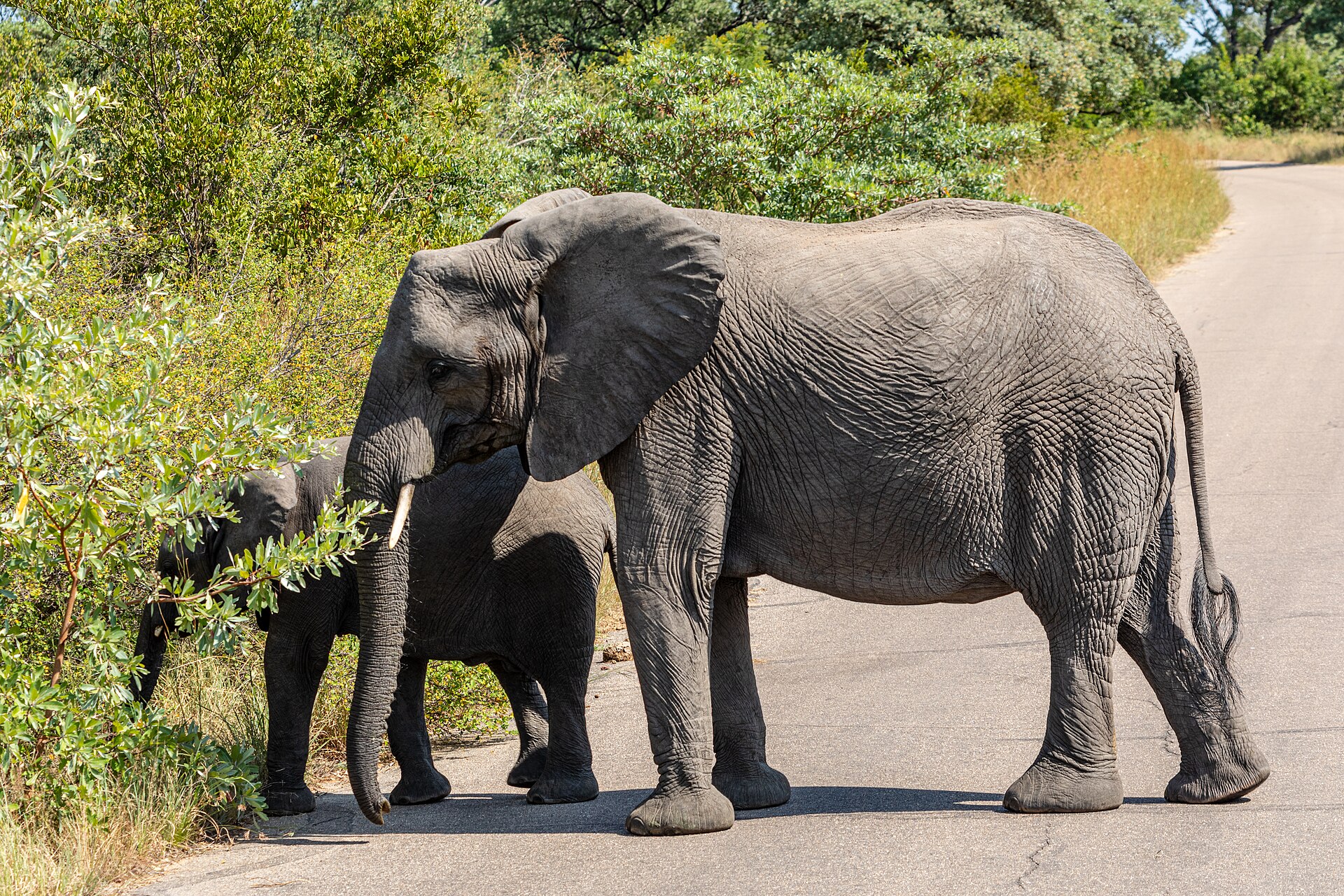
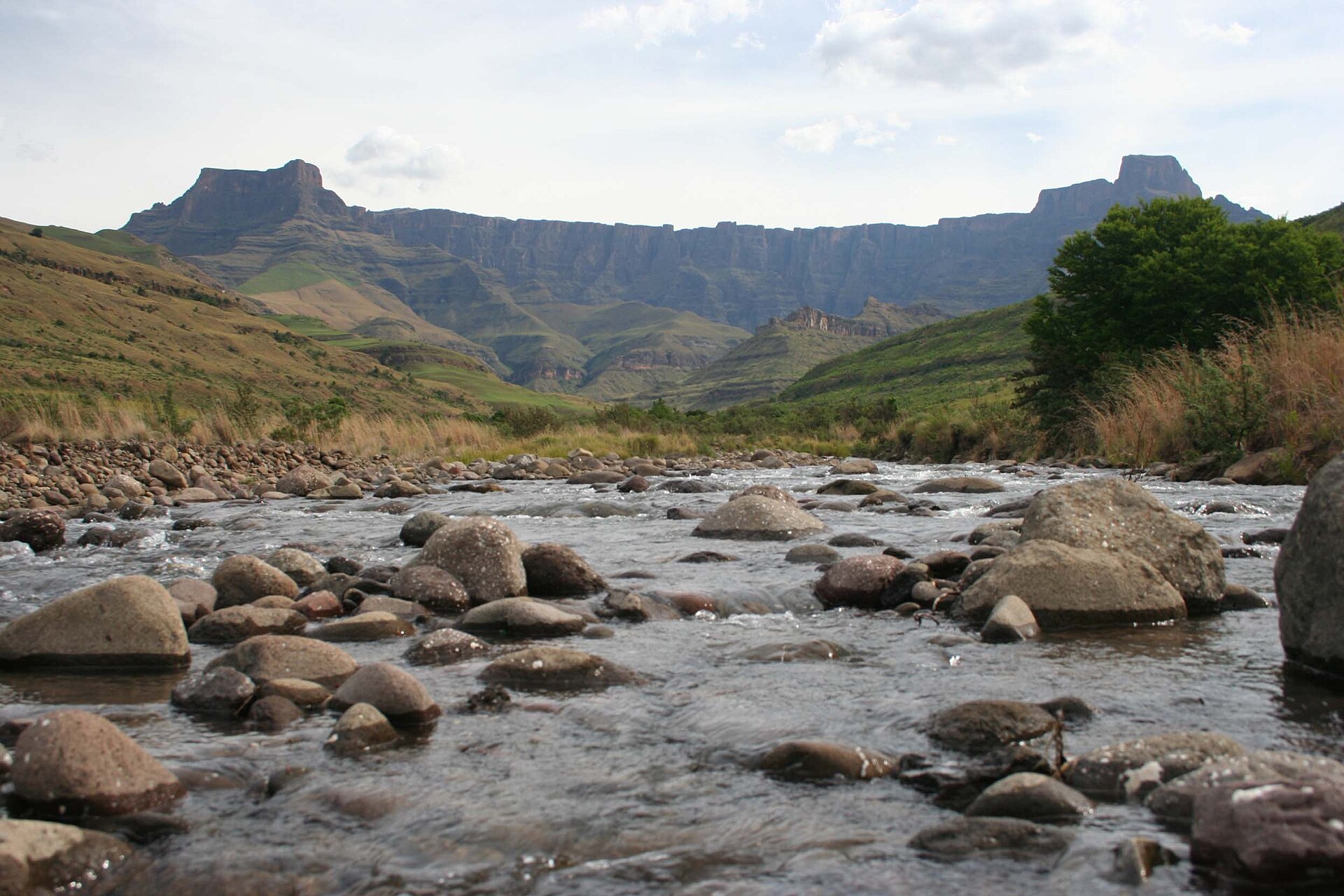
Cool, dry days make this the easiest eastern safari season. Kruger vegetation thins, mornings can be cold inland and the Cape receives its winter rain.
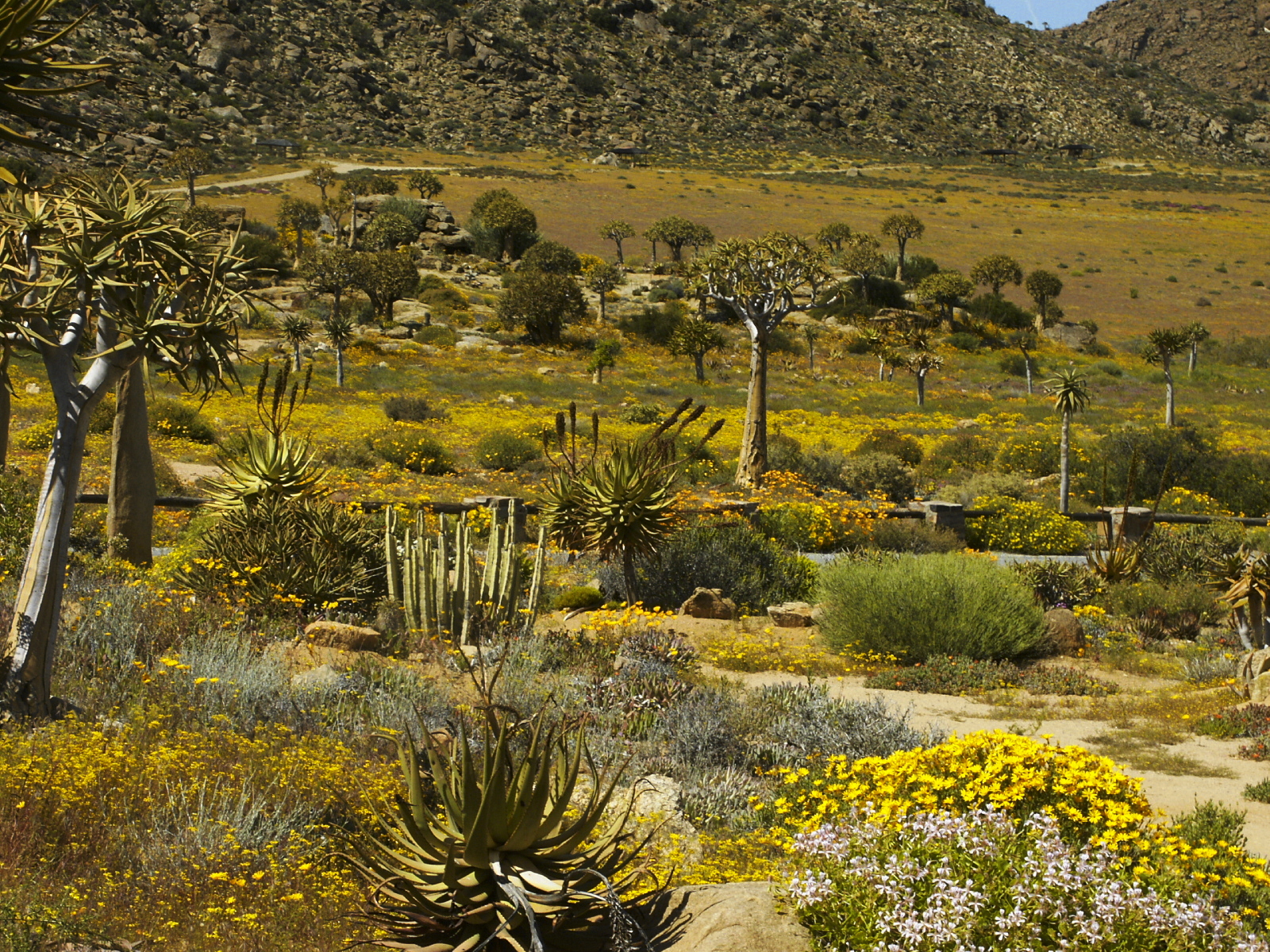
Namaqualand can flower after winter rain while safari country remains dry. Displays vary with weather, so the route follows current reports rather than promising one fixed field.
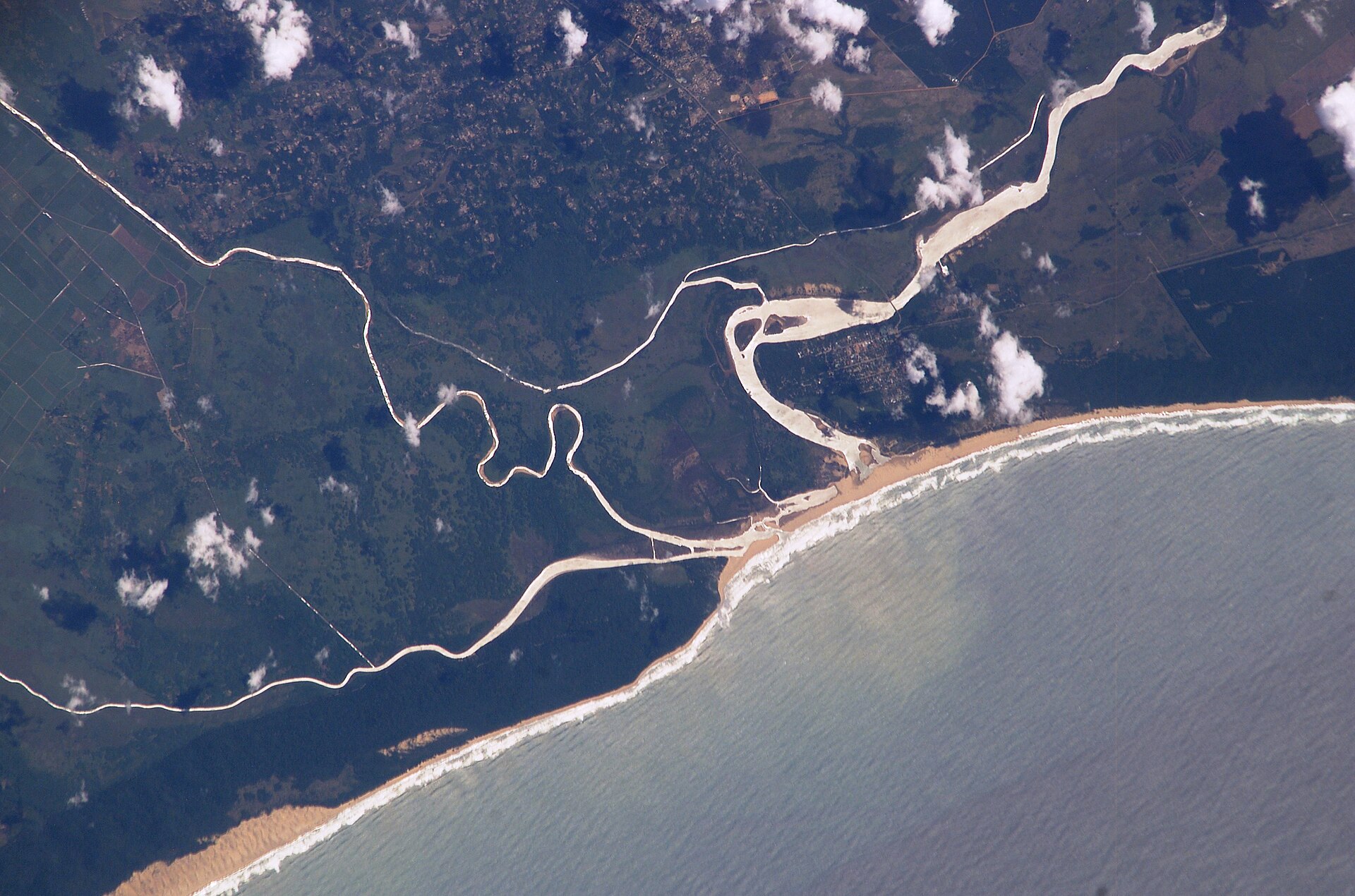
Kruger and KwaZulu-Natal turn green beneath summer rain. Heat and humidity rise, migratory birds arrive and afternoon storms become part of the day.
Cradle FAQ
It gives the final return a deep-time perspective and prevents the circle from ending as a bare transfer to Johannesburg.
No. Access varies by site, conservation requirements and current operations.
Journey designer
We begin with the part of South Africa you most want to feel, then give the country enough time to change around you.
Plan your South Africa journey