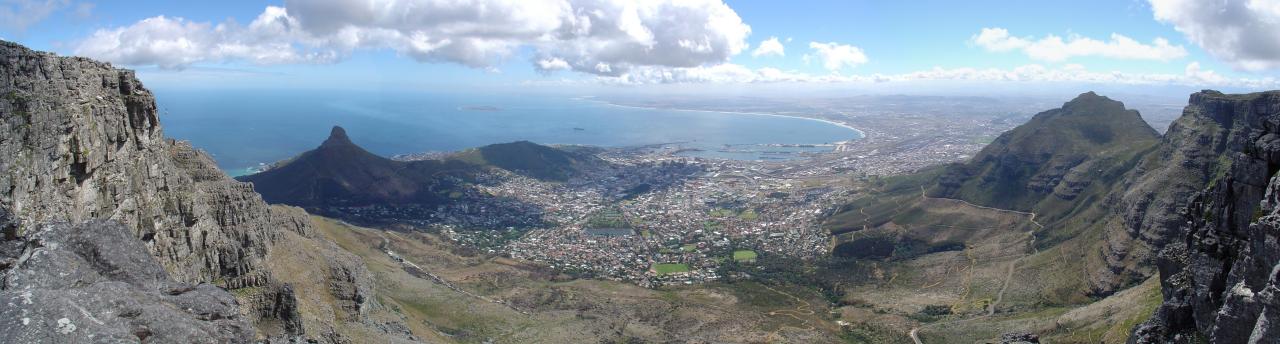

Cape Town and the Atlantic seen from Table Mountain
Alex.travel

I design journeys to places of power for those who want to travel deeper

Western Cape travel guide

Cape Town

Cape Town gathers mountain, ocean and a difficult layered history into one extraordinary urban landscape. Table Mountain gives orientation; people and neighbourhoods give the city meaning.

Table MountainTwo-ocean cityLiving history

Cape Town in brief

Beauty that asks for context

Cape Town is arranged by mountain and sea. The city rises, folds and disappears around Table Mountain; beaches face different winds; every neighbourhood seems to hold its own horizon.

Beauty is immediate, but depth takes time. District Six, Bo-Kaap, Robben Island and contemporary voices complicate the view with displacement, resistance, migration and belonging. The city becomes more powerful when the mountain and those histories remain in the same frame.

Table Mountain gives the city its silhouette. District Six, Bo-Kaap and Robben Island ask what histories the postcard leaves outside the frame.

Portrait of AlexAlexJourney designer

Designer's note

Give Cape Town three different days

I would give Cape Town three different days: one for Table Mountain and the peninsula, one for history and neighbourhood voices, and one for the food, art and waterfront life between them.

Portrait of Alex

Alex

Journey designer

I balance Cape Town's immense scenery with food, history and contemporary local voices.

  1. 01

    Let weather choose the mountain

    Cloud and wind decide whether Table Mountain belongs at dawn, later or another day.

    Flexible summit
  2. 02

    Enter the history

    A guided museum, neighbourhood or island visit keeps beauty from flattening the city.

    Context beside scenery
  3. 03

    Leave a free evening

    The most personal Cape Town memory may arrive at a table or on an unplanned walk.

    Space for discovery

Best time

Best time to visit Cape Town

Cape Town seen from Table Mountain
November to March

Cape summer for mountains, vineyards and ocean

Cape light and long evenings

Long, dry Cape days favour the peninsula, Winelands and Garden Route. The eastern interior is hotter and summer rain can turn safari afternoons dramatic.

Temp
About 15 to 32 °C
Crowds
Peak Cape season
Good places
Cape Town · Cape Winelands · Garden Route · Cederberg
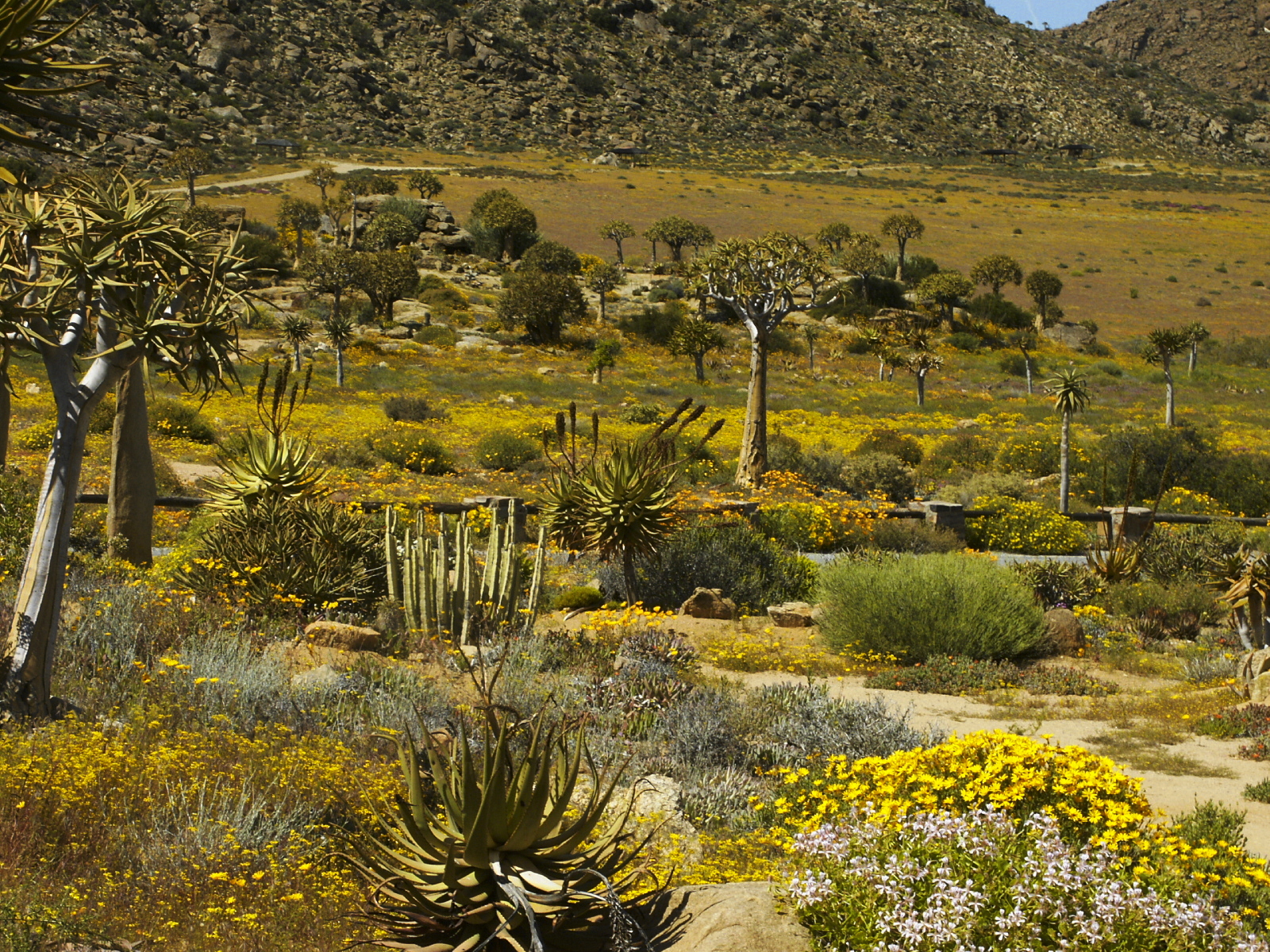
Spring flowers and quiver trees in Namaqualand
August to September

Spring flowers and the great north-west return

Namaqualand bloom

Namaqualand can flower after winter rain while safari country remains dry. Displays vary with weather, so the route follows current reports rather than promising one fixed field.

Temp
About 7 to 28 °C across the route
Crowds
Brief and sought-after
Good places
Namaqualand · Cederberg · Cape Town · Kruger
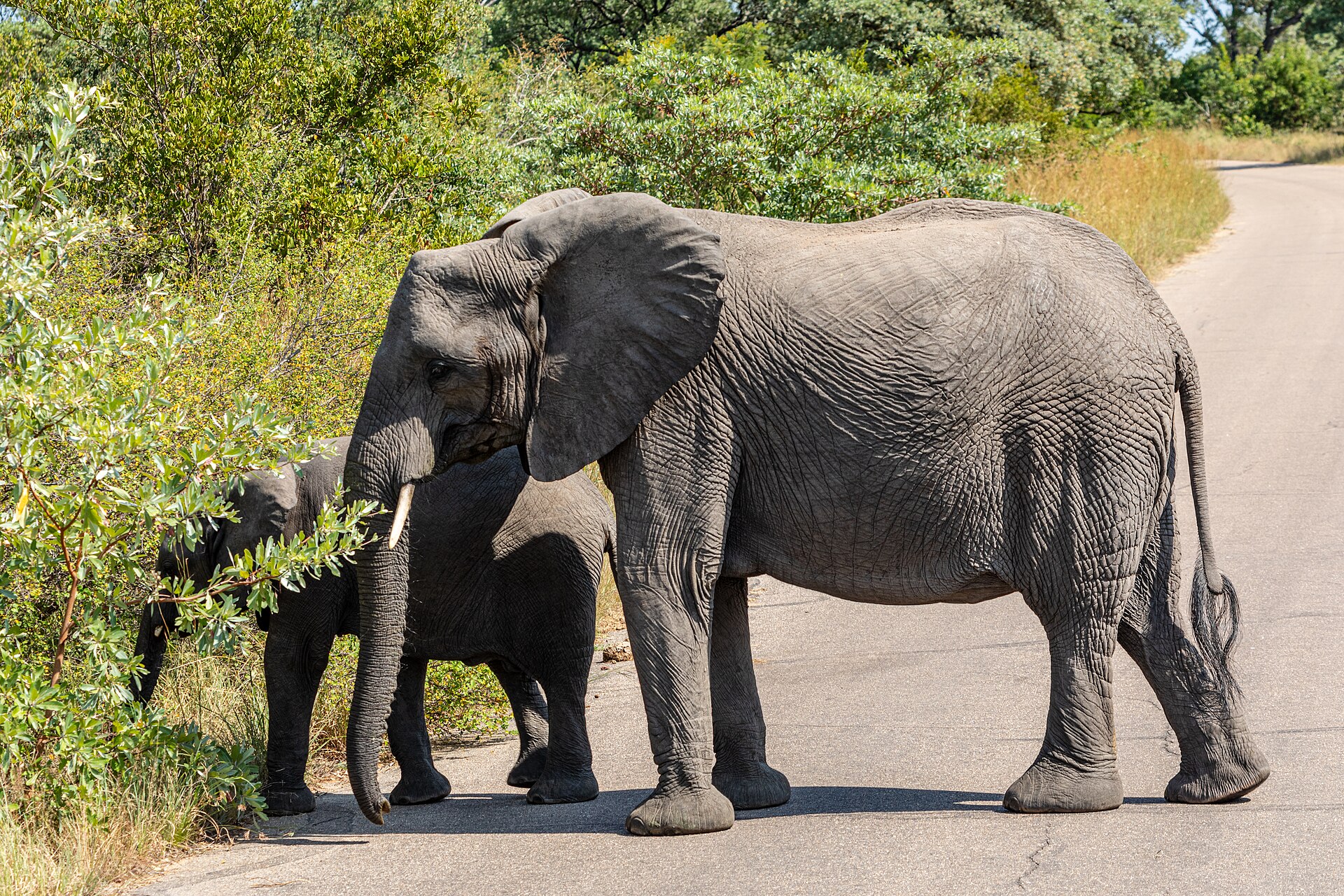
Elephants crossing a road in Kruger National Park
May to August

Dry winter for safari and long roads

Dry bushveld and clear roads

Cool, dry days make this the easiest eastern safari season. Kruger vegetation thins, mornings can be cold inland and the Cape receives its winter rain.

Temp
Cold Highveld dawns to about 27 °C in the Lowveld
Crowds
Popular safari season
Good places
Kruger · Hluhluwe-iMfolozi · Kgalagadi · Johannesburg

Cape Town FAQ

Cape Town travel questions

Q01How many days do I need in Cape Town?

At least four full days. Five gives weather room for the mountain and enough time for history, coast and food.

Q02Is Cape Town the end of Epic South Africa?

No. The flagship continues north into the Cederberg, Namaqualand and the Kalahari before returning to Johannesburg.

Journey designer

Let's plan your South Africa journey

We begin with the part of South Africa you most want to feel, then give the country enough time to change around you.

Plan your South Africa journey