South Africa mountain and wild-country journeysBlyde River Canyon, the Drakensberg, Cape sandstone and the great dry north-west reveal a country repeatedly lifted, cut and weathered into new forms.Explore South Africa mountain journeys
I design journeys to places of power for those who want to travel deeper
Northern Cape travel guide
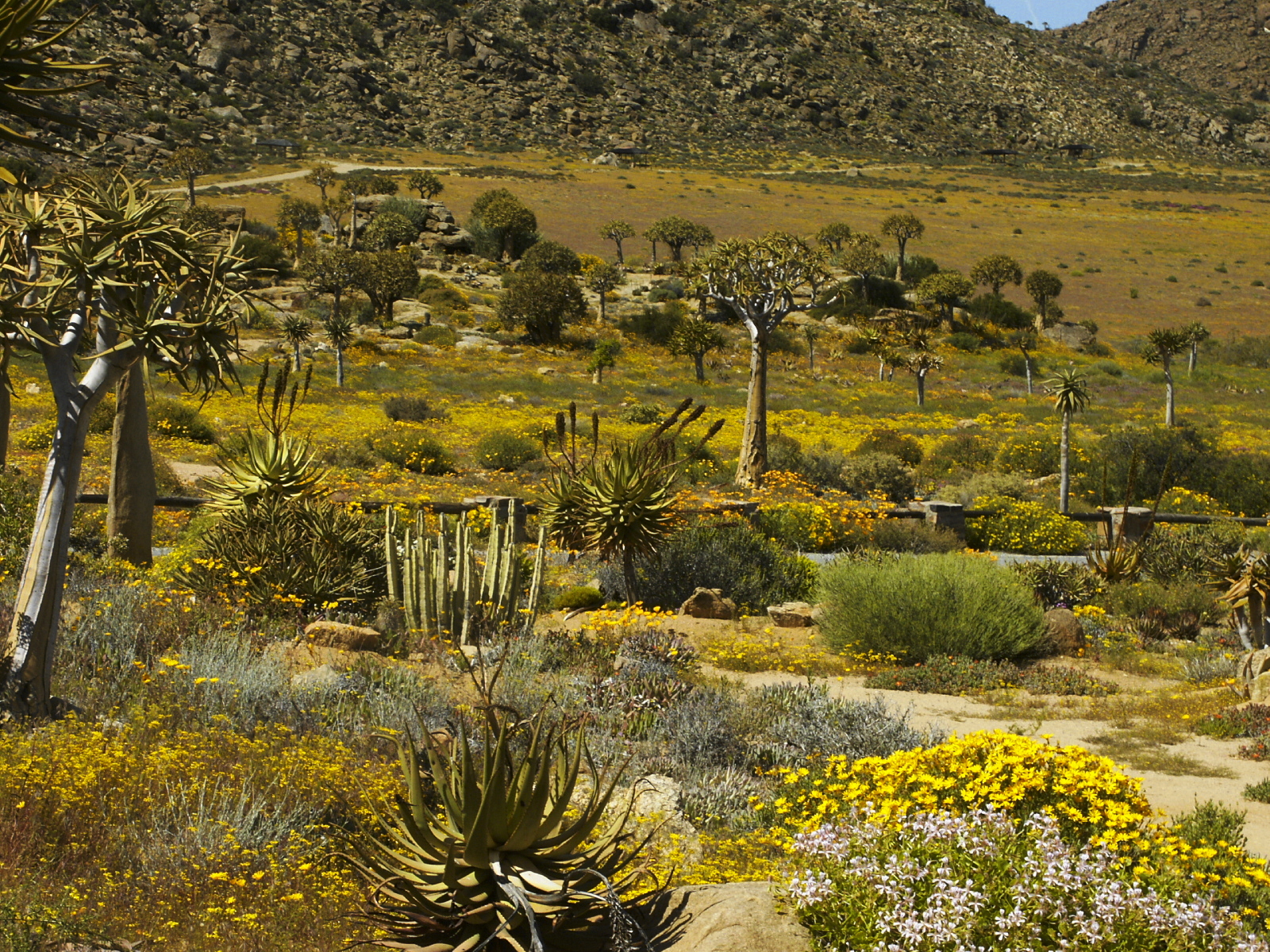
Namaqualand is a hard succulent desert that can erupt into colour after winter rain. The flowers are extraordinary precisely because rock, drought and restraint remain visible beneath them.
Namaqualand in brief
For most of the year, Namaqualand reveals its life through restraint: succulents holding water, pale rock and plants shaped close to the ground. Then winter rain and spring sun can turn whole valleys orange, white, purple and yellow.
The display moves. Flowers open toward the sun, weather closes them and one valley may blaze while another waits. A good journey follows the living event and still sees the desert underneath.
The flowers are not wallpaper. They are one brief answer to rain, sun and temperature in a desert that spends most of the year holding back.
 AlexJourney designer
Designer's note
Bloom shifts with rain, sun and temperature. I design the spring days around current reports and keep the succulent desert meaningful if nature chooses restraint.
Alex
Journey designer
I plan flower-season journeys around live conditions, patient walking and the desert beyond the display.
Early August through September is the core period, never a fixed guarantee.
The route changes with where rain and sun have opened the strongest displays.
Succulents, geology and desert adaptation make the region more than one season.
Flower journeys
Epic South Africa passes through the region year-round; the spring edition follows the bloom in August and September.
Best time
Namaqualand can flower after winter rain while safari country remains dry. Displays vary with weather, so the route follows current reports rather than promising one fixed field.
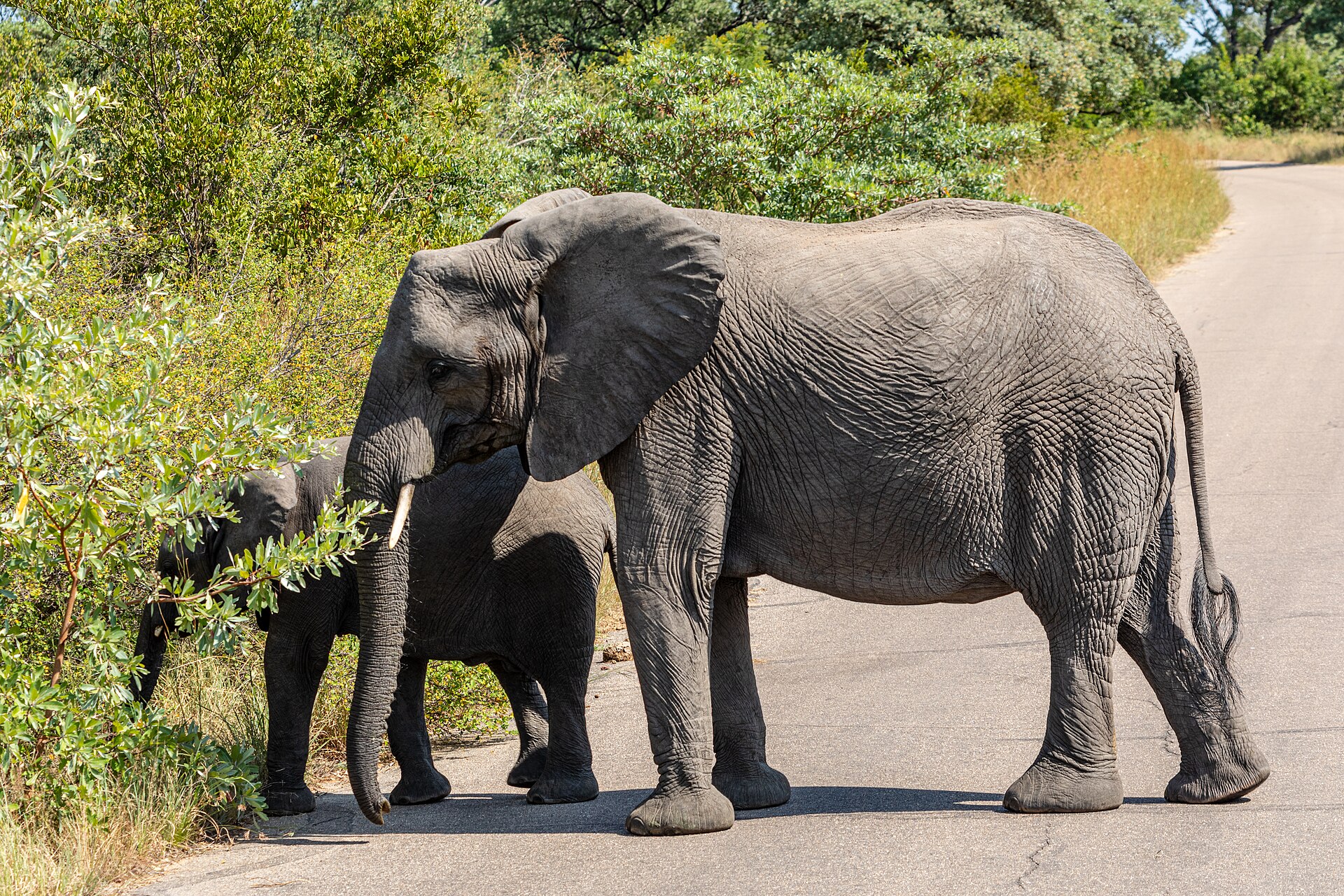
Cool, dry days make this the easiest eastern safari season. Kruger vegetation thins, mornings can be cold inland and the Cape receives its winter rain.
Long, dry Cape days favour the peninsula, Winelands and Garden Route. The eastern interior is hotter and summer rain can turn safari afternoons dramatic.
Namaqualand FAQ
Usually during August and September after winter rain, with timing and location varying each year.
Only the spring edition is designed around the bloom, and even then the route follows current conditions rather than guaranteeing one field.
Journey designer
We begin with the part of South Africa you most want to feel, then give the country enough time to change around you.
Plan your South Africa journey