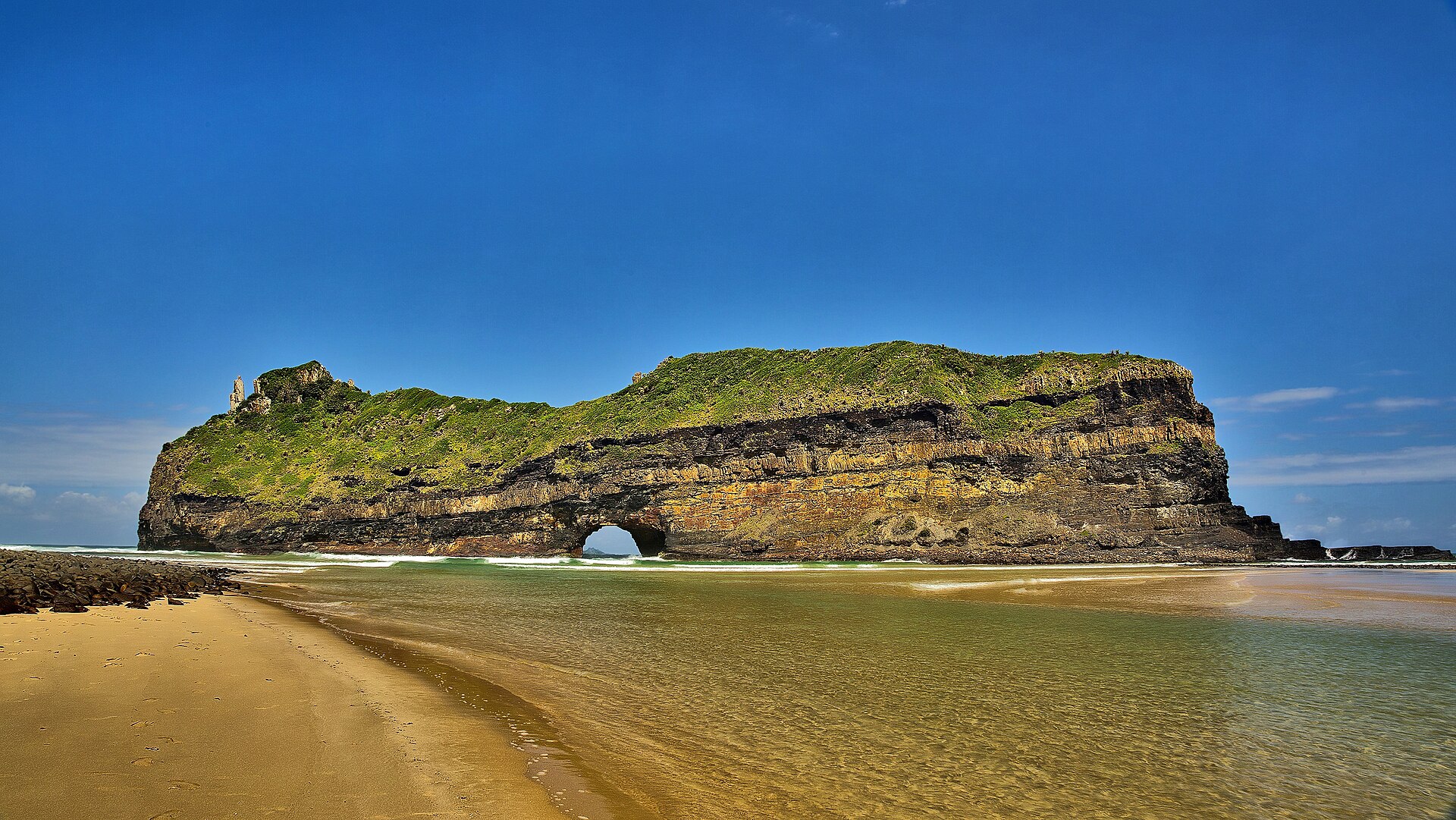
South Africa coast and ocean journeysWarm Indian Ocean water, wetland dunes, the roadless Wild Coast and Cape headlands create a coastline that changes language as it turns west.Explore South Africa coast journeys
I design journeys to places of power for those who want to travel deeper
KwaZulu-Natal travel guide
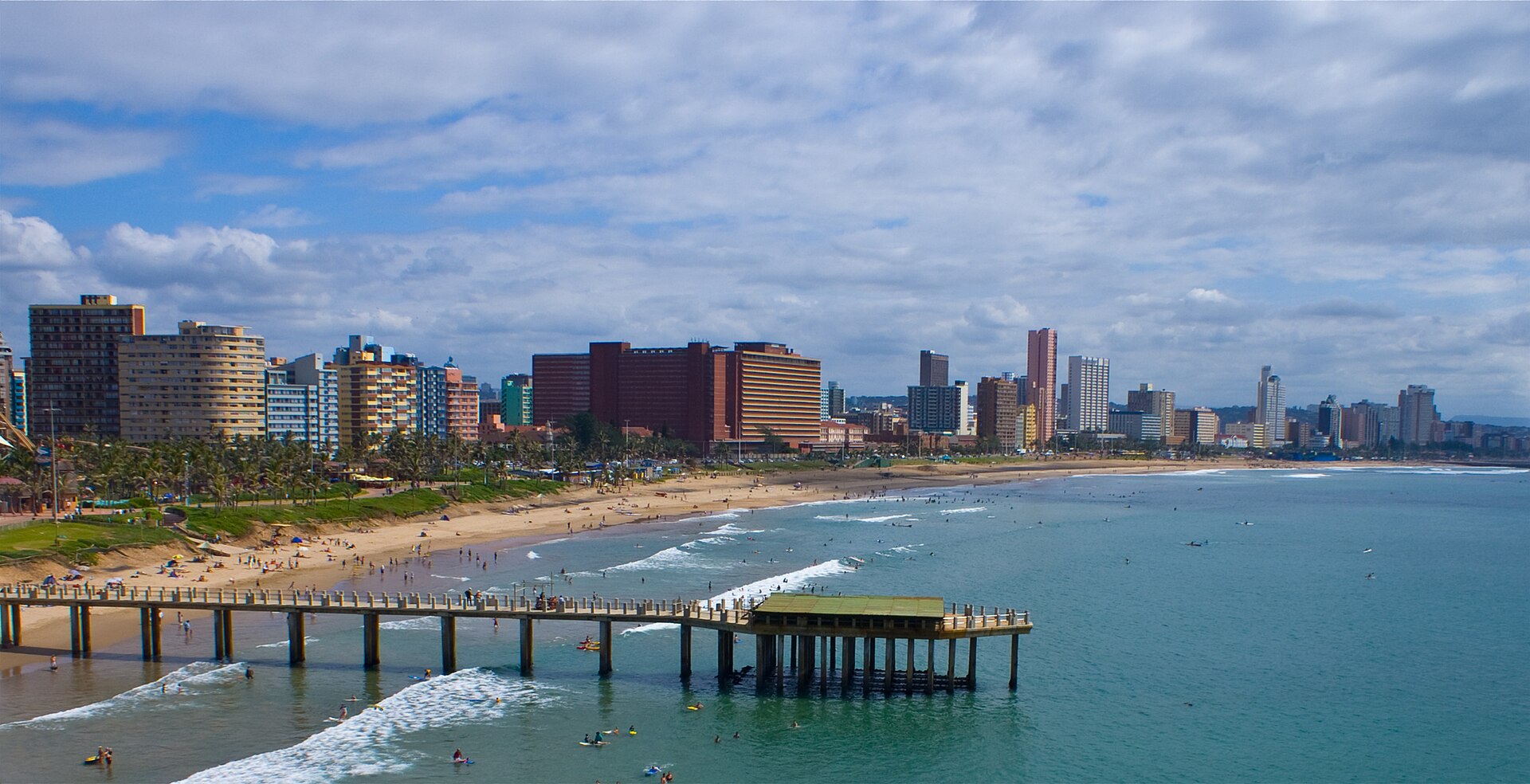
Durban meets the Indian Ocean in warm surf, subtropical air and a food culture shaped by Zulu and Indian histories. It is a city pause with flavour, not merely the end of a safari road.
Durban in brief
Durban faces the Indian Ocean with a long beachfront, warm water and humid air that feels worlds away from the Highveld. Morning belongs to swimmers, runners and the first kitchens opening behind the promenade.
The city's food carries histories of movement. Spice, bread and curry reveal Indian South African life not as an imported footnote but as one of Durban's defining voices. After that human, generous pause, the road turns inland toward the mountains.
After days of dust and wetland, Durban arrives through salt air and spice. The journey needs that appetite before it turns inland.
 AlexJourney designer
Designer's note
Durban's most memorable history may arrive in a kitchen. I pair the beachfront with a local food voice who can connect spice, migration and the city outside the plate.
Alex
Journey designer
I use food and neighbourhood voices to give Durban a vivid pause between coast and mountains.
The beachfront is clearest in the cooler morning, when swimmers and city life share the promenade.
A food guide can connect Indian South African history to kitchens still shaping Durban.
One settled night changes the approach to the Drakensberg from transfer to anticipation.
Ocean city
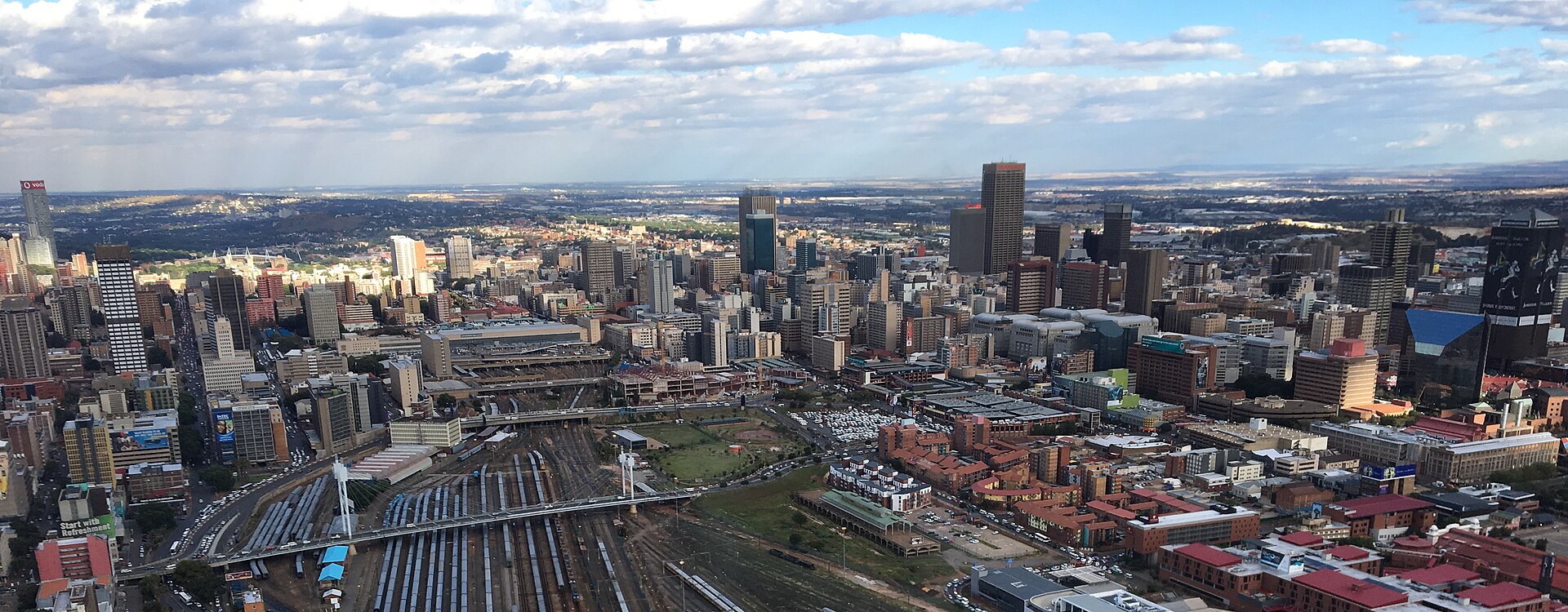
Durban journeys
The eastern journey can finish here; the full Epic continues inland toward the Drakensberg.
Best time
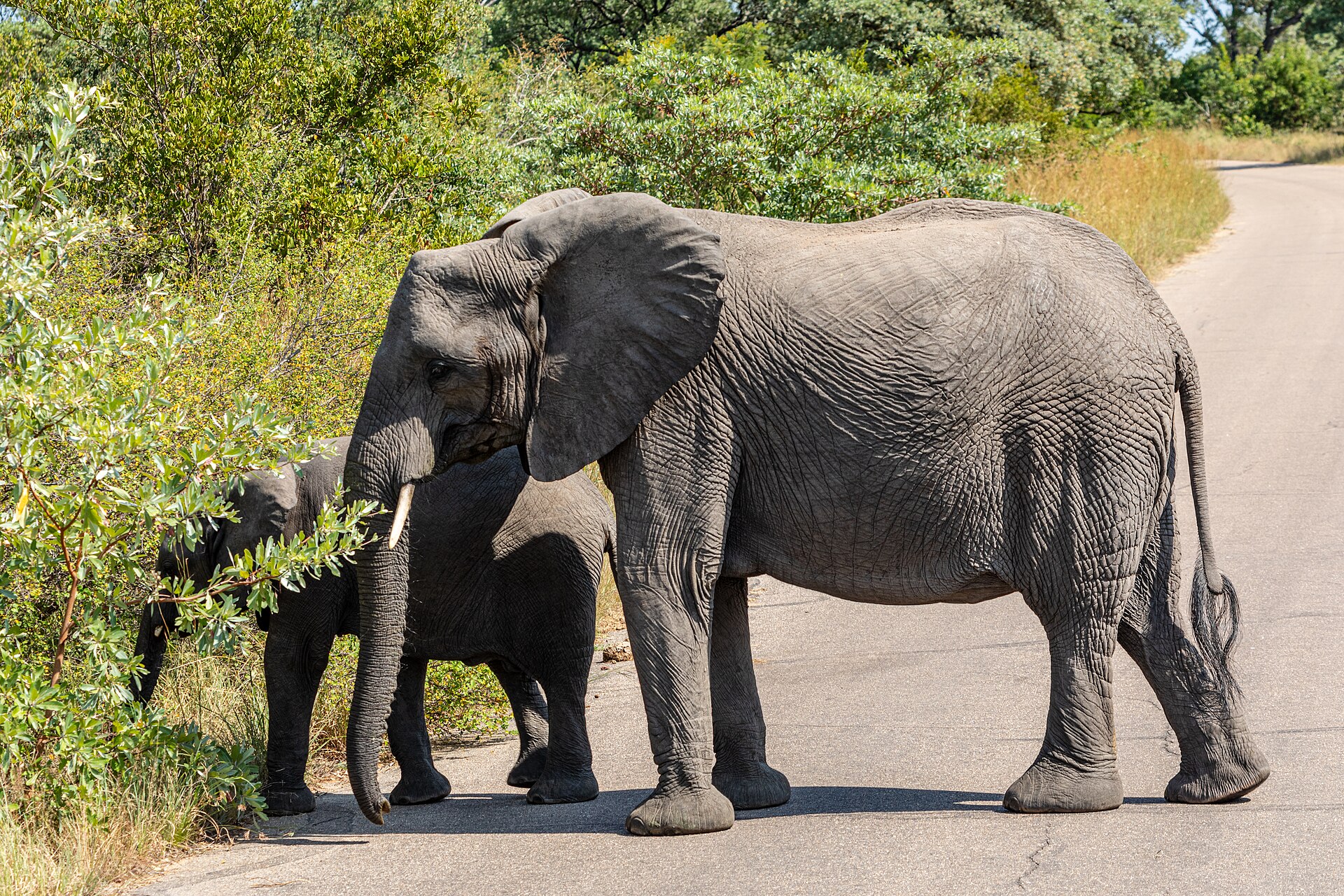
Cool, dry days make this the easiest eastern safari season. Kruger vegetation thins, mornings can be cold inland and the Cape receives its winter rain.
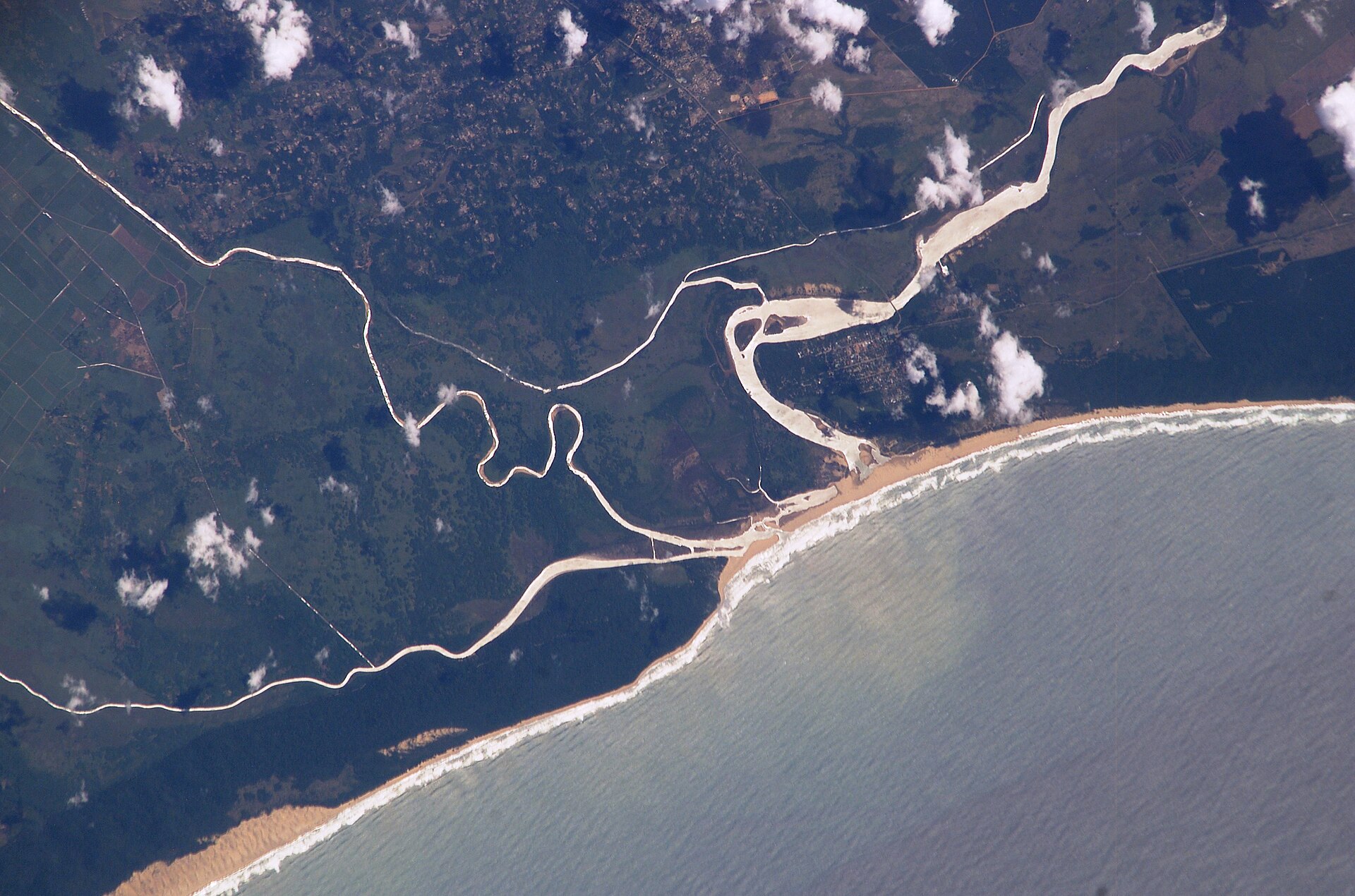
Kruger and KwaZulu-Natal turn green beneath summer rain. Heat and humidity rise, migratory birds arrive and afternoon storms become part of the day.
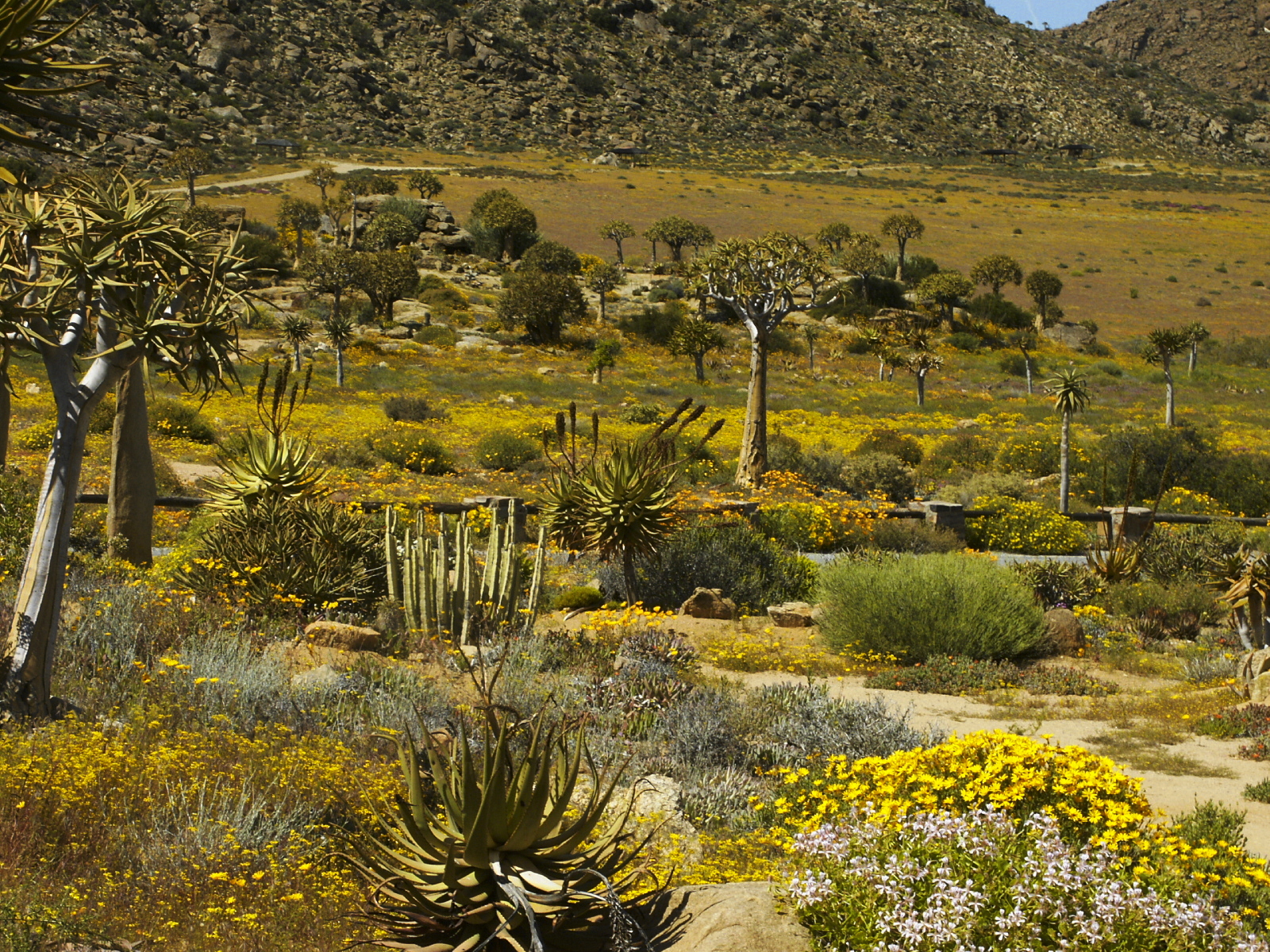
Namaqualand can flower after winter rain while safari country remains dry. Displays vary with weather, so the route follows current reports rather than promising one fixed field.
Durban FAQ
It provides a warm-ocean city and food story between the wetlands and Drakensberg.
Two nights allow one complete city day without slowing the national circle too much.
Journey designer
We begin with the part of South Africa you most want to feel, then give the country enough time to change around you.
Plan your South Africa journey