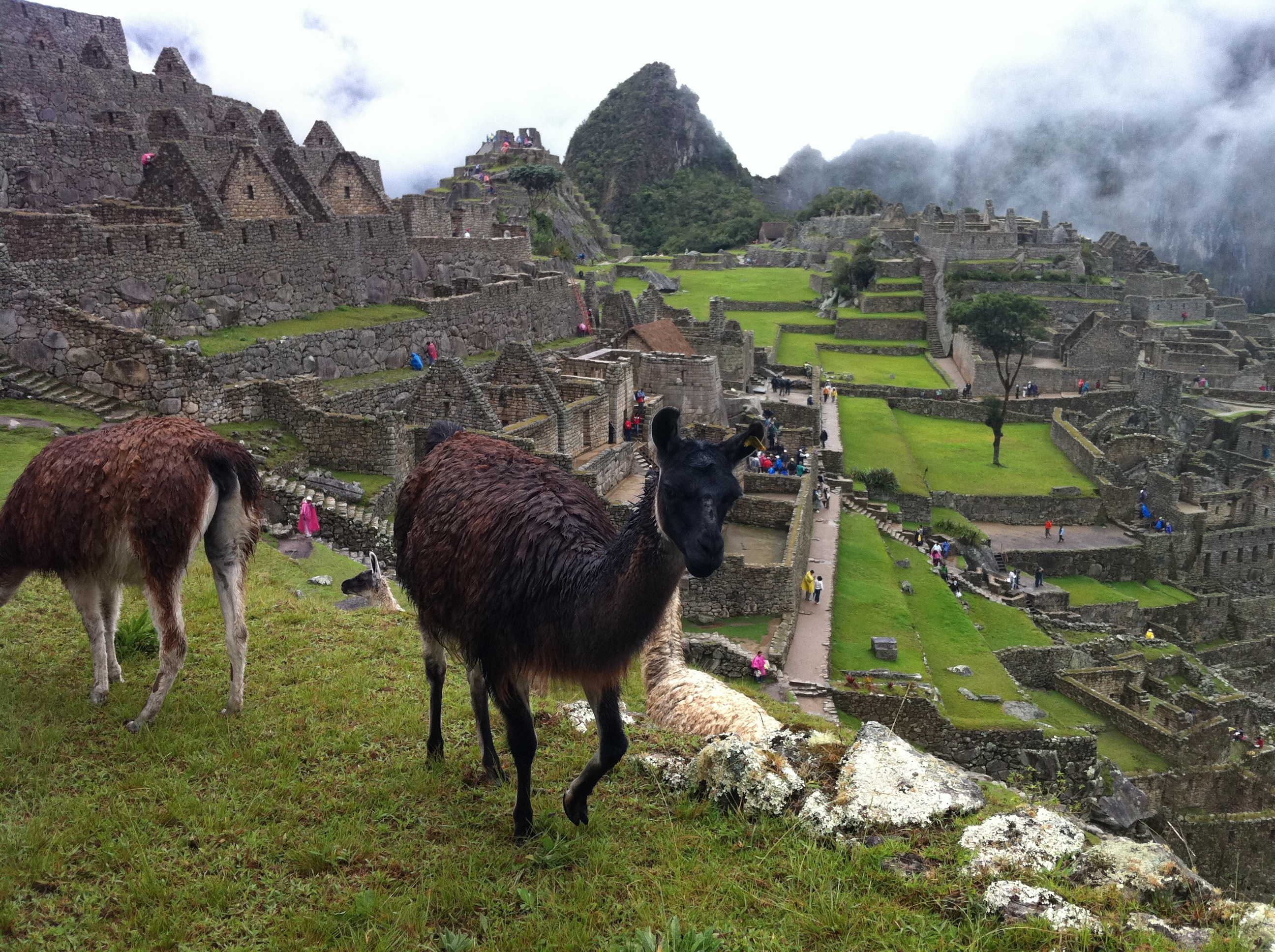
Inca heritage and living Andean cultureTerraces still farmed, royal estates on cloud-forest ridges, and Quechua communities for whom none of this is history.See Inca heritage journeys
I design journeys to places of power for those who want to travel deeper
Cusco and the Sacred Valley travel guide
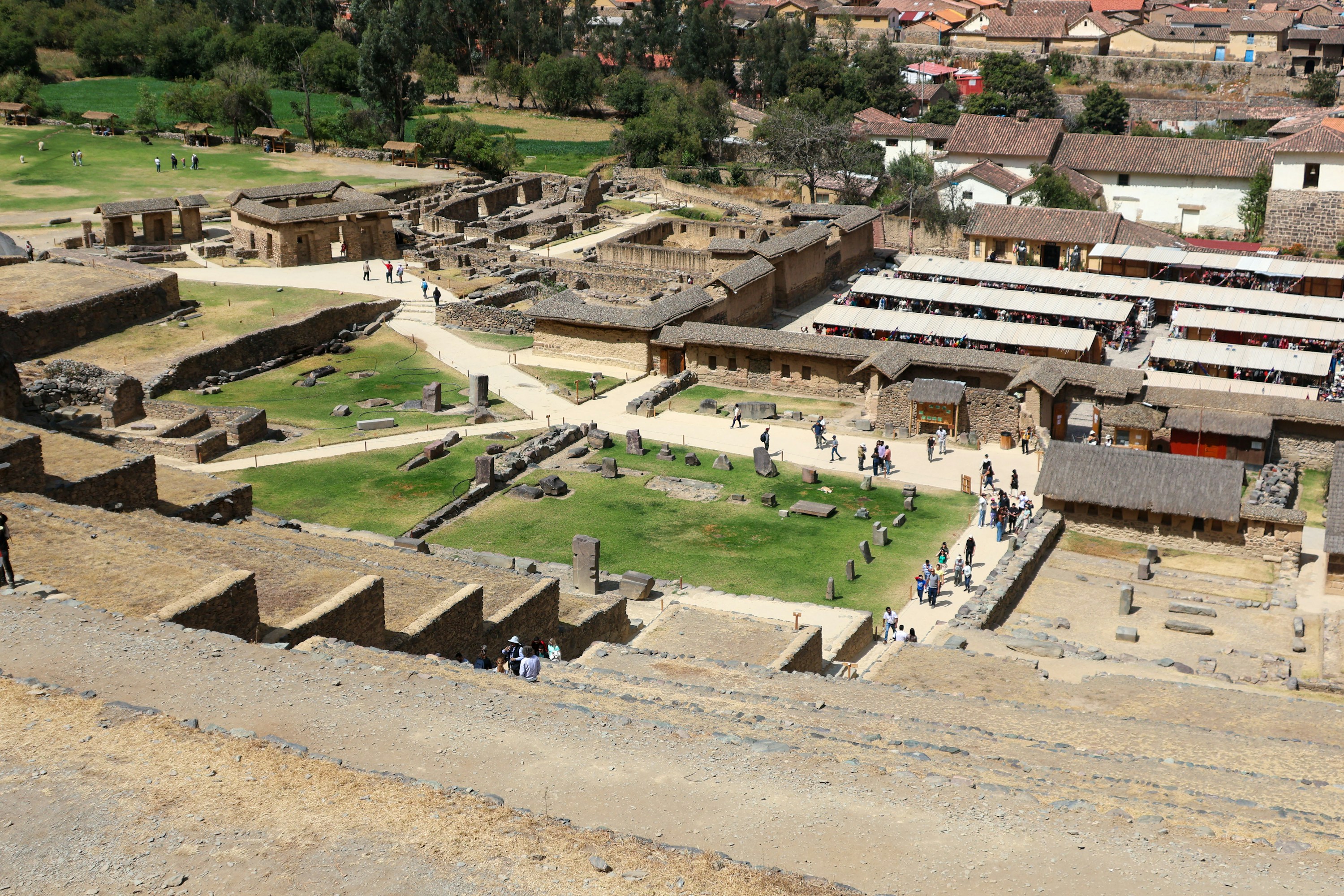
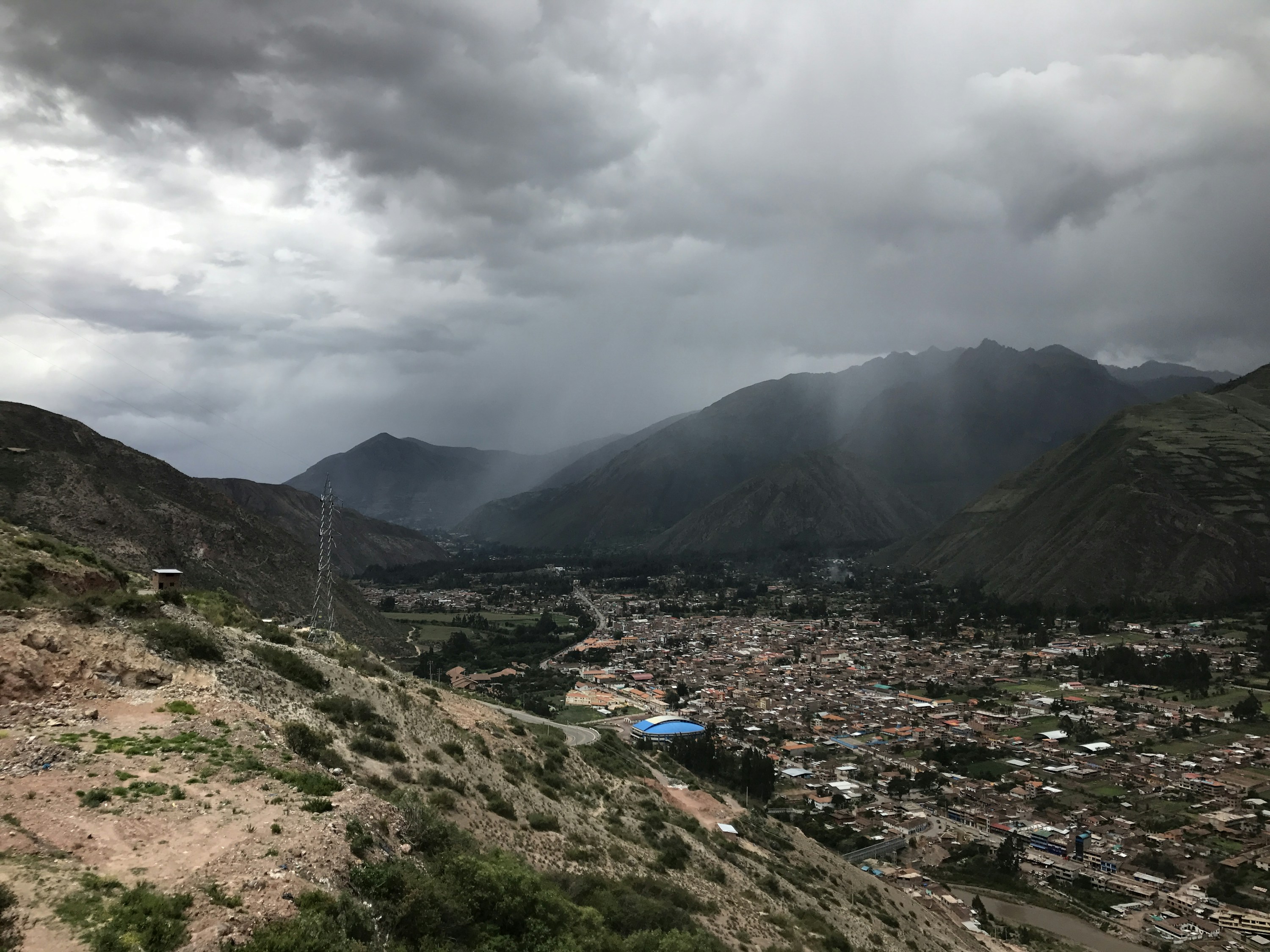
The Urubamba valley below Cusco: warmer, lower and more fertile than the city, which is why the Inca farmed it in terraces at Pisac, Moray and Ollantaytambo, and why it is the right place to sleep before going high.
Sacred Valley in brief
The Sacred Valley is the argument that the Inca were, before anything else, farmers.
The Urubamba runs 600 metres below Cusco, which makes it warmer, wetter and far more productive. The terraces at Pisac step down a mountainside; the concentric circles at Moray hold measurably different microclimates on each level and were almost certainly an agricultural station; the salt pans at Maras have been worked since before the Inca and are still divided between local families.
Ollantaytambo at the valley's western end is the only Inca town still lived in on its original street plan, and it is where the train to Machu Picchu leaves.
Sacred Valley is one of the places I plan the rest of a Peru route around.
 AlexJourney designer
Designer's note
Sacred Valley earns its days on the route rather than being a box to tick.
Alex
Journey designer
I design private Peru journeys around altitude, season and the people who still farm the terraces.
Each stop on the route is a deliberate step upward, which is what makes the high days enjoyable rather than survivable.
The Sacred Valley sits 600 metres below Cusco. Sleeping there first is the single change that most improves how people feel on the high days.
Inca Trail permits are capped and sell out months ahead, and the trail closes every February. That one date fixes everything else.
Sacred Valley journey ideas
When to go
Cold, bright mornings above 3,000 metres and reliable trekking weather. This is the only dependable window for the high passes and the Inca Trail, and the reason most of the route is planned around it.
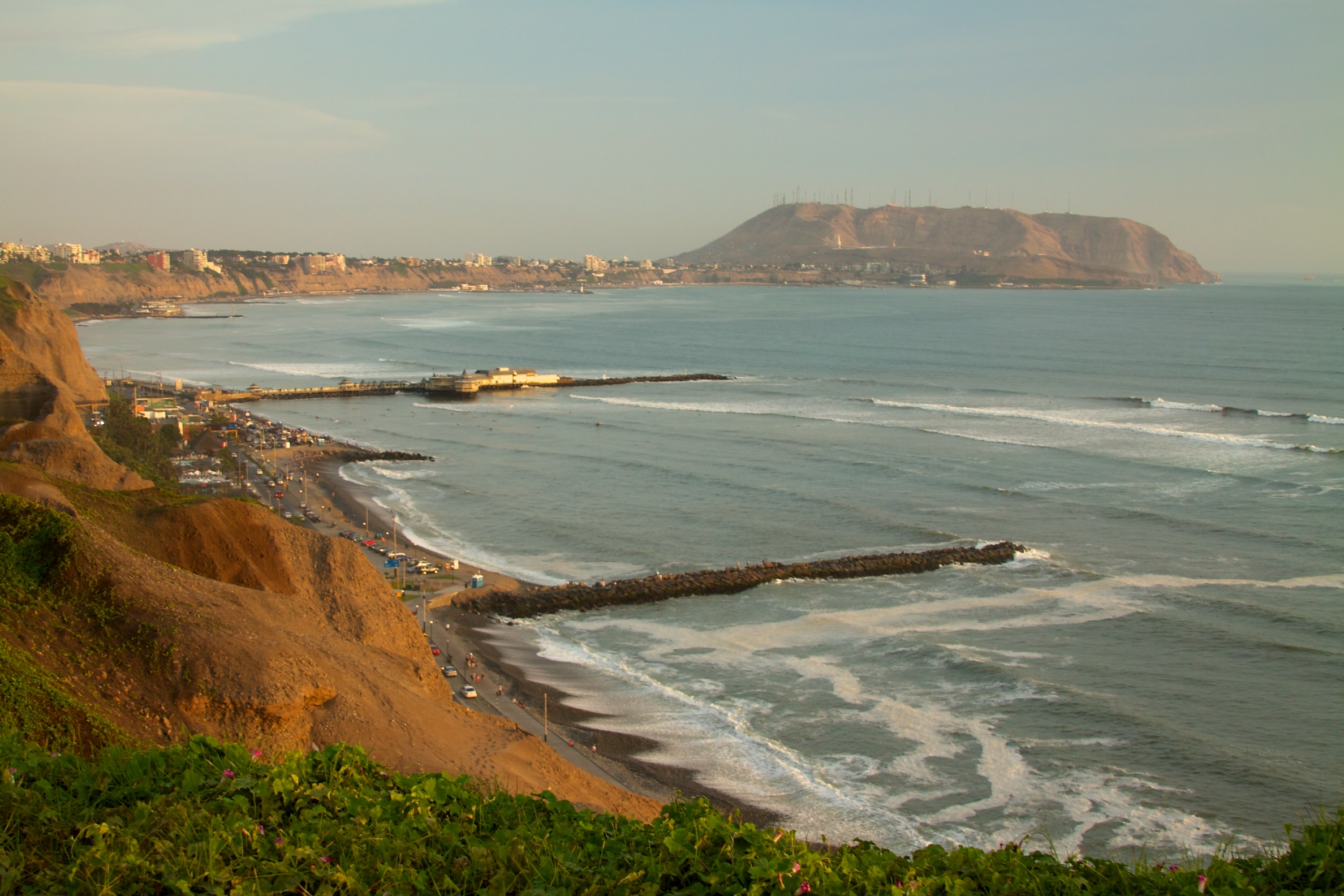
Heavy afternoon rain across the highlands makes the high roads unreliable and closes the Inca Trail every February. The desert coast and the Amazon stay workable, so the journey changes shape rather than stopping.
Sacred Valley questions
On the Epic Peru route Sacred Valley holds its own block of days; the exact number depends on the season and how the altitude is treating you.
Contact
Every journey is planned individually; there is no fixed departure calendar.
Plan a Peru journey