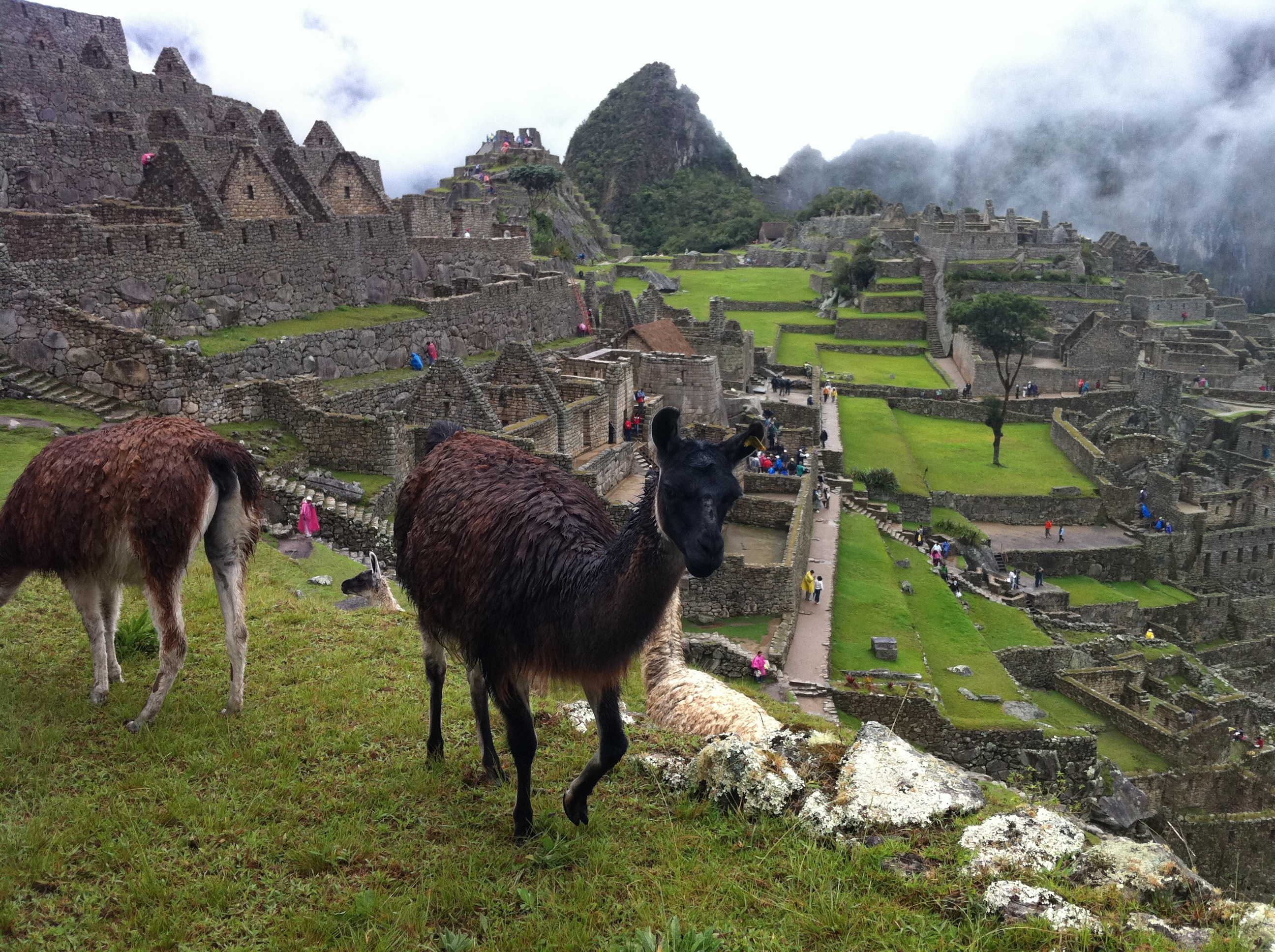
Llamas grazing above the green terraces and stone buildings of Machu Picchu
Alex.travel

I design journeys to places of power for those who want to travel deeper

Travel deeper to Peru experiences

Inca heritage and living Andean culture

Terraces still farmed, royal estates on cloud-forest ridges, and Quechua communities for whom none of this is history.

Inca terraces

Inca heritage and living Andean culture in brief

Inca heritage and living Andean culture, in short

The Inca ran an empire for barely a century, but they built on fifteen hundred years of Andean engineering and their work is still load-bearing.

What survives is not only Machu Picchu. It is the terraces still farmed in the Sacred Valley, the salt pans at Maras still divided between families, the road network, and the Quechua language spoken by millions of people who are not a historical exhibit.

Inca heritage and living Andean culture is one of the places I plan the rest of a Peru route around.

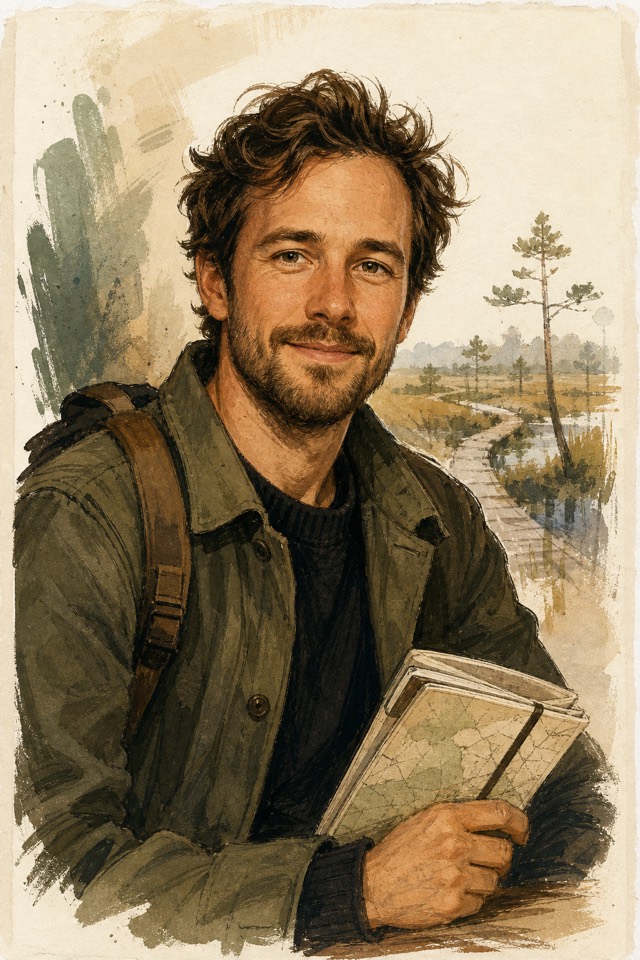
Portrait of AlexAlexJourney designer

Designer's note

How I use Inca heritage and living Andean culture

Inca heritage and living Andean culture earns its days on the route rather than being a box to tick.

Portrait of Alex

Alex

Journey designer

I design private Peru journeys around altitude, season and the people who still farm the terraces.

  1. 01

    Build altitude as a gradient

    Each stop on the route is a deliberate step upward, which is what makes the high days enjoyable rather than survivable.

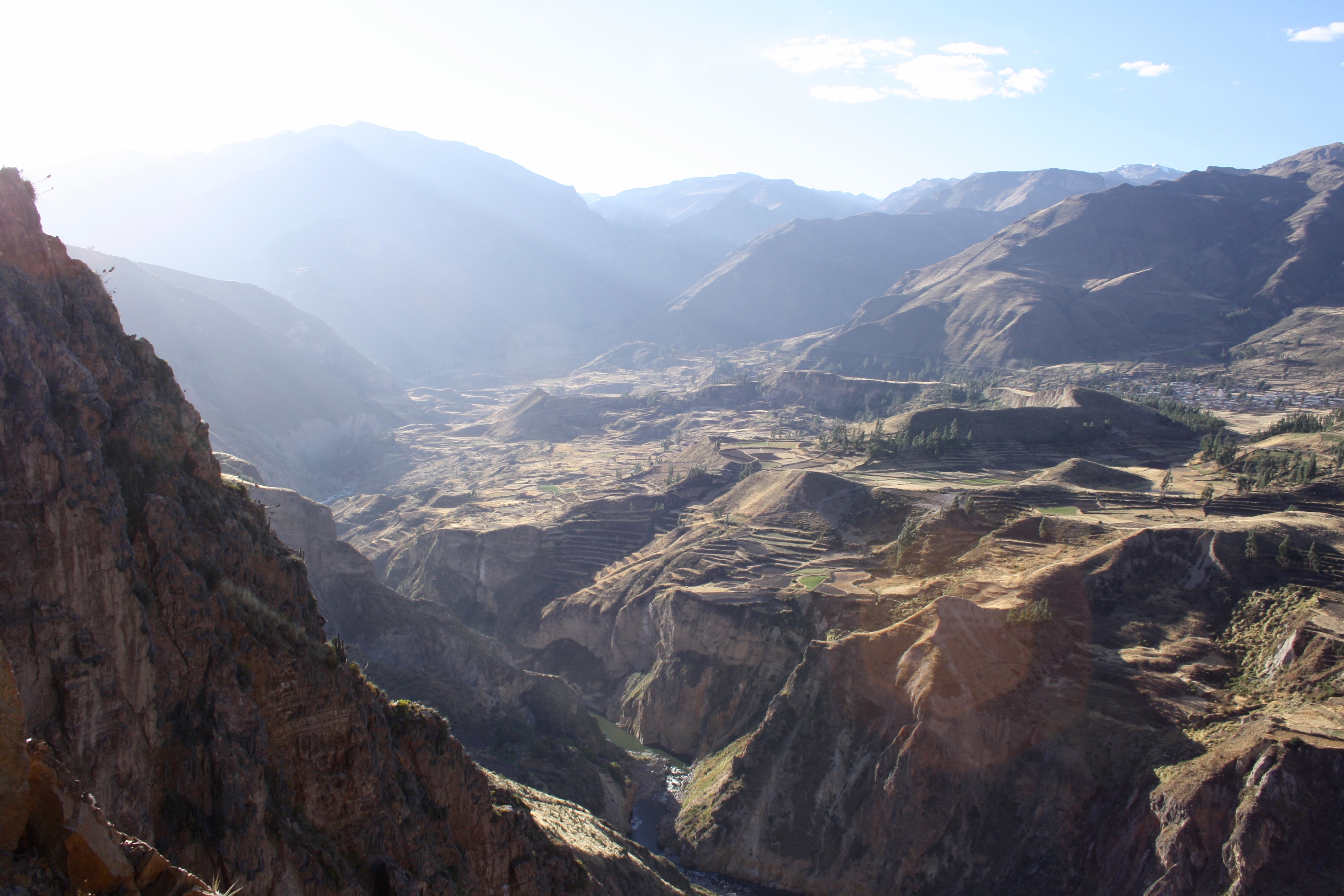
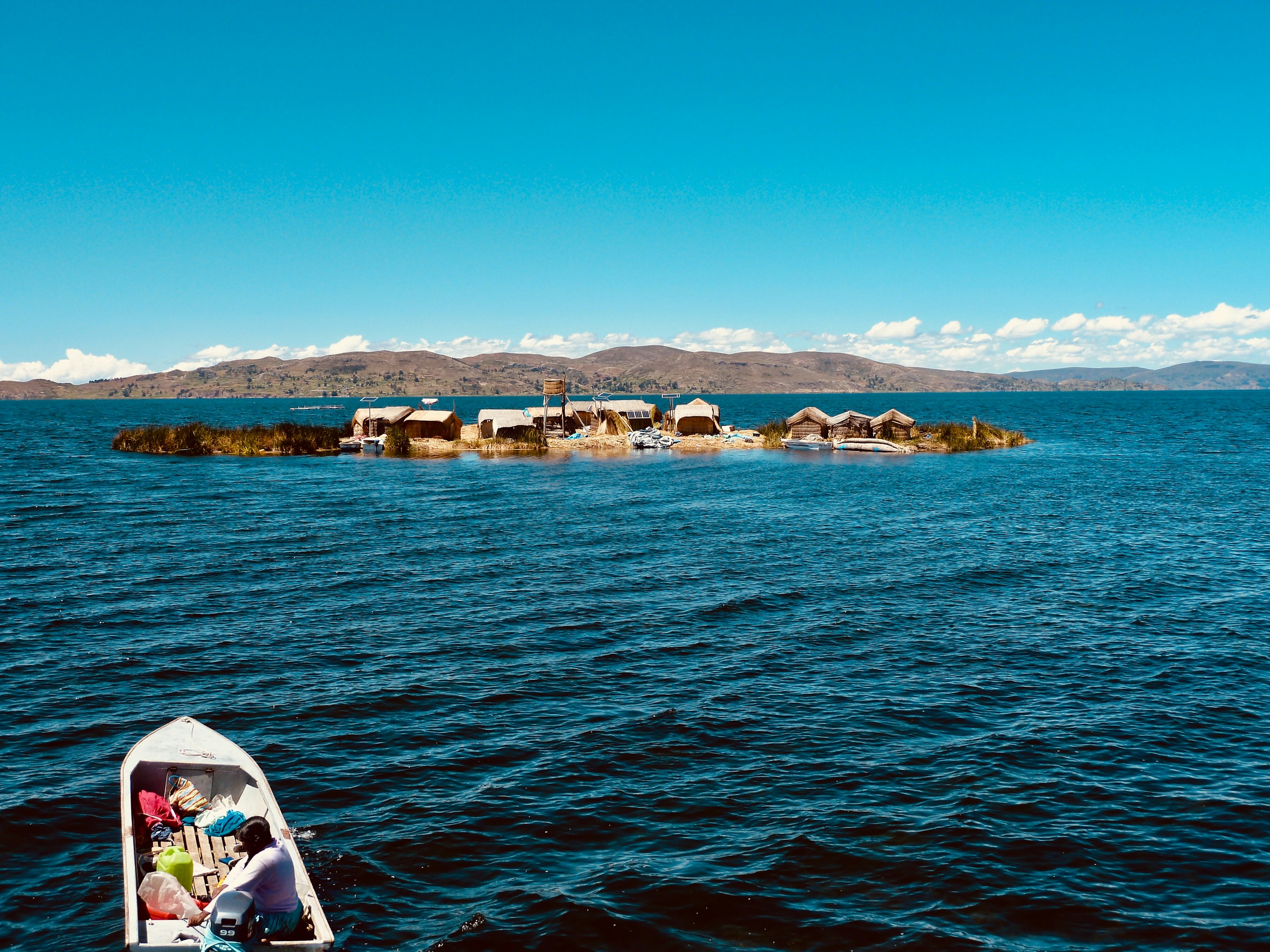
    Lima - Arequipa - Colca - Titicaca
  2. 02

    Sleep low before you go high

    The Sacred Valley sits 600 metres below Cusco. Sleeping there first is the single change that most improves how people feel on the high days.

    Valley first - Cusco after
  3. 03

    Let the permit calendar lead

    Inca Trail permits are capped and sell out months ahead, and the trail closes every February. That one date fixes everything else.

    Permits - February closure

When to go

Best time to visit Inca heritage and living Andean culture

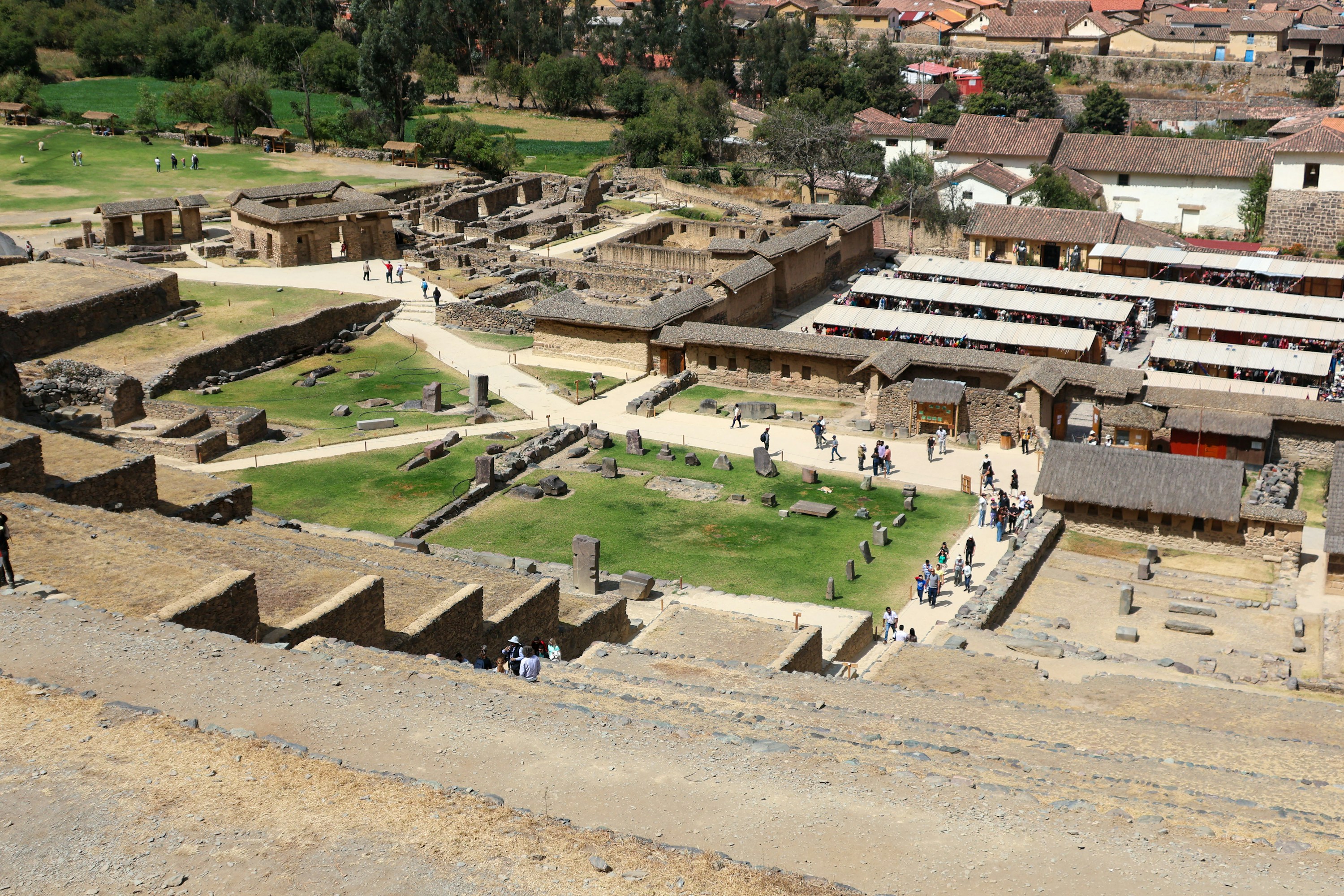
Ollantaytambo's Inca terraces, village and green fields viewed from above
May to September

The Andean dry season

High passes open

Cold, bright mornings above 3,000 metres and reliable trekking weather. This is the only dependable window for the high passes and the Inca Trail, and the reason most of the route is planned around it.

Temp
Near freezing at dawn to about 20 °C by day in the highlands
Crowds
Cusco and Machu Picchu busy
Good places
Cusco · Sacred Valley · Colca Canyon · Lake Titicaca
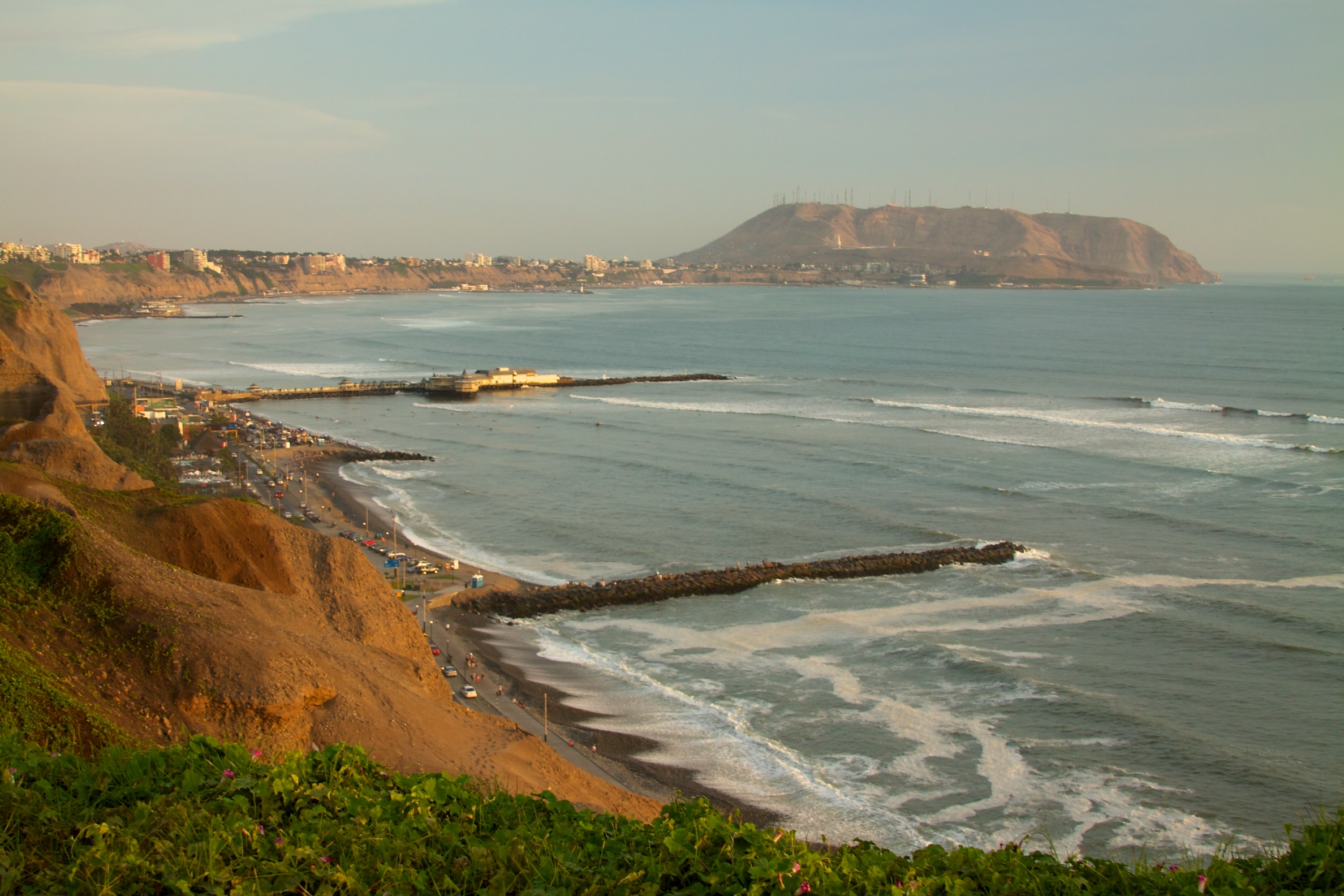
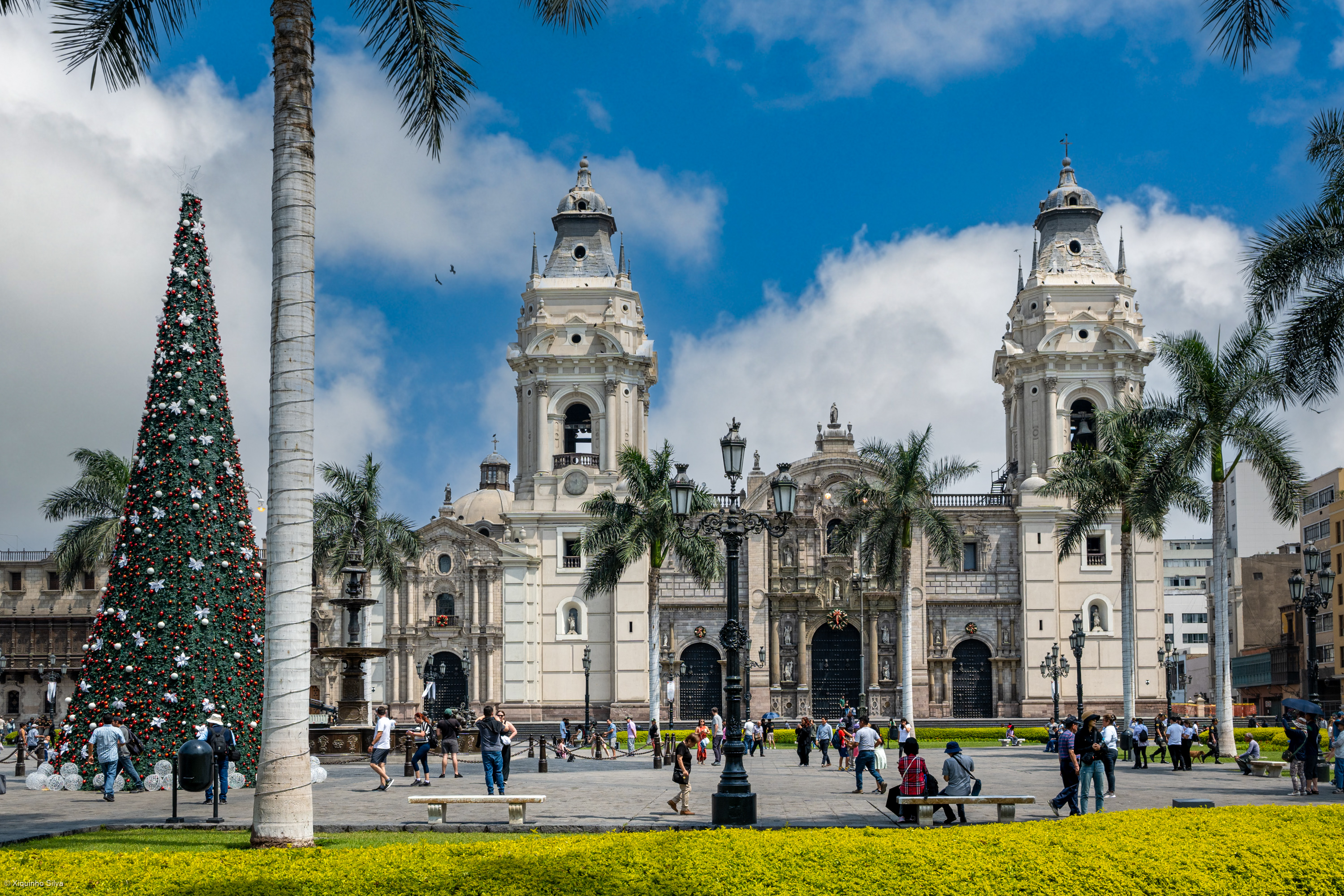
Evening light over Lima's Pacific coastline and sea cliffs
December to March

Highland rains, open coast

Inca Trail closed in February

Heavy afternoon rain across the highlands makes the high roads unreliable and closes the Inca Trail every February. The desert coast and the Amazon stay workable, so the journey changes shape rather than stopping.

Temp
Mild but wet inland; warm and humid in the Amazon
Crowds
Quietest months inland
Good places
Lima · Arequipa

Inca heritage and living Andean culture questions

Short answers about Inca heritage and living Andean culture

Q01Is Inca heritage only about Machu Picchu?

No. The terraces in the Sacred Valley are still farmed, the salt pans at Maras are still divided between families, and Quechua is spoken by millions of people. The ruins are the smallest part of it.

Contact

Plan it with me

Every journey is planned individually; there is no fixed departure calendar.

Plan a Peru journey