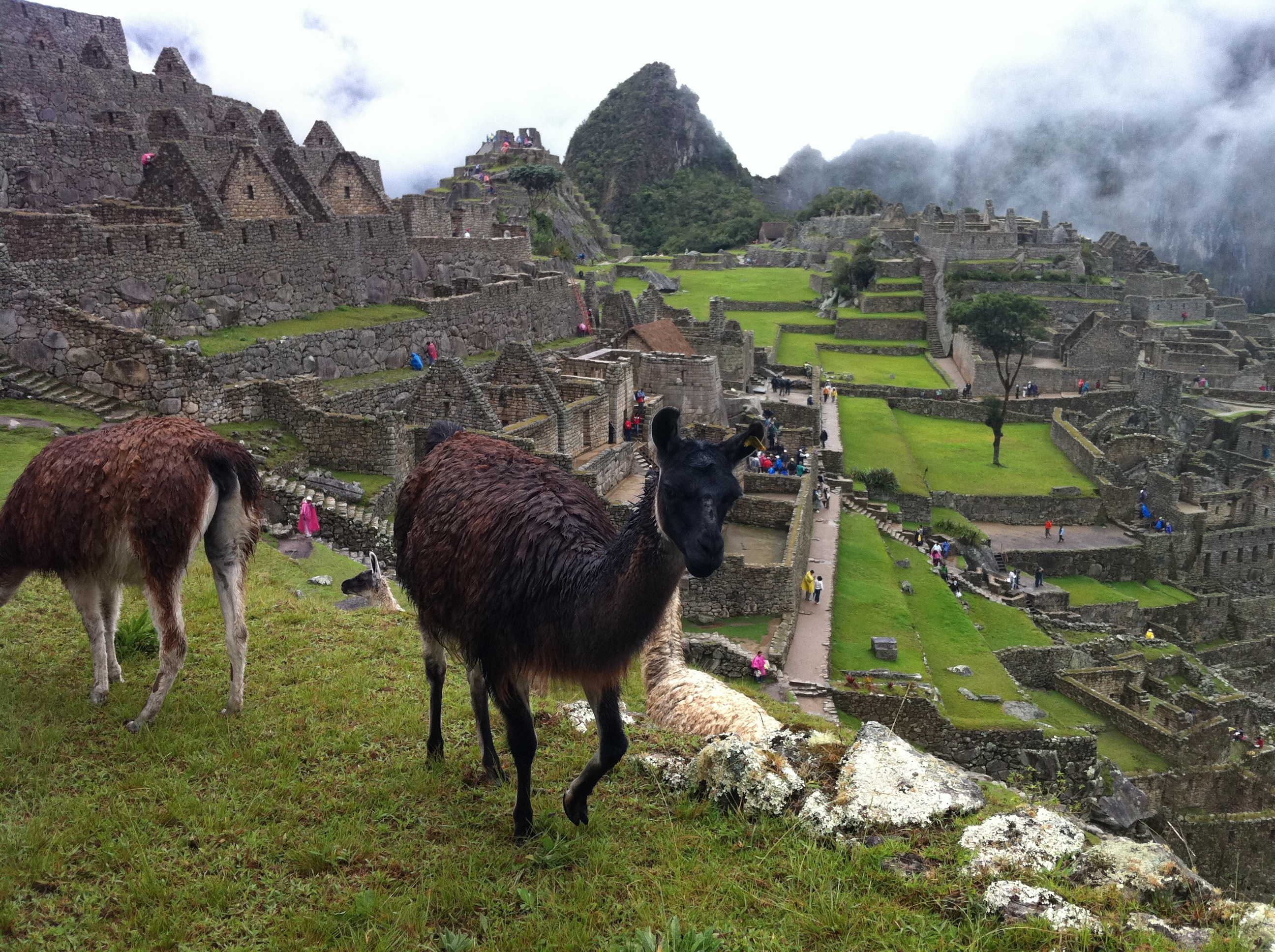
Inca heritage and living Andean cultureTerraces still farmed, royal estates on cloud-forest ridges, and Quechua communities for whom none of this is history.See Inca heritage journeys
I design journeys to places of power for those who want to travel deeper
Three countries live inside one border: a desert coast fed by ocean fog, an Andean spine where Quechua towns still farm Inca terraces, and the cloud forest where the Amazon begins.
Designer's note
Peru punishes trips that treat altitude as a formality and rewards the ones that treat it as the itinerary's backbone. Build the ascent as a gradient and the whole country opens up.
Alex
Journey designer
I design private Peru journeys around altitude, season and the people who still farm the terraces.
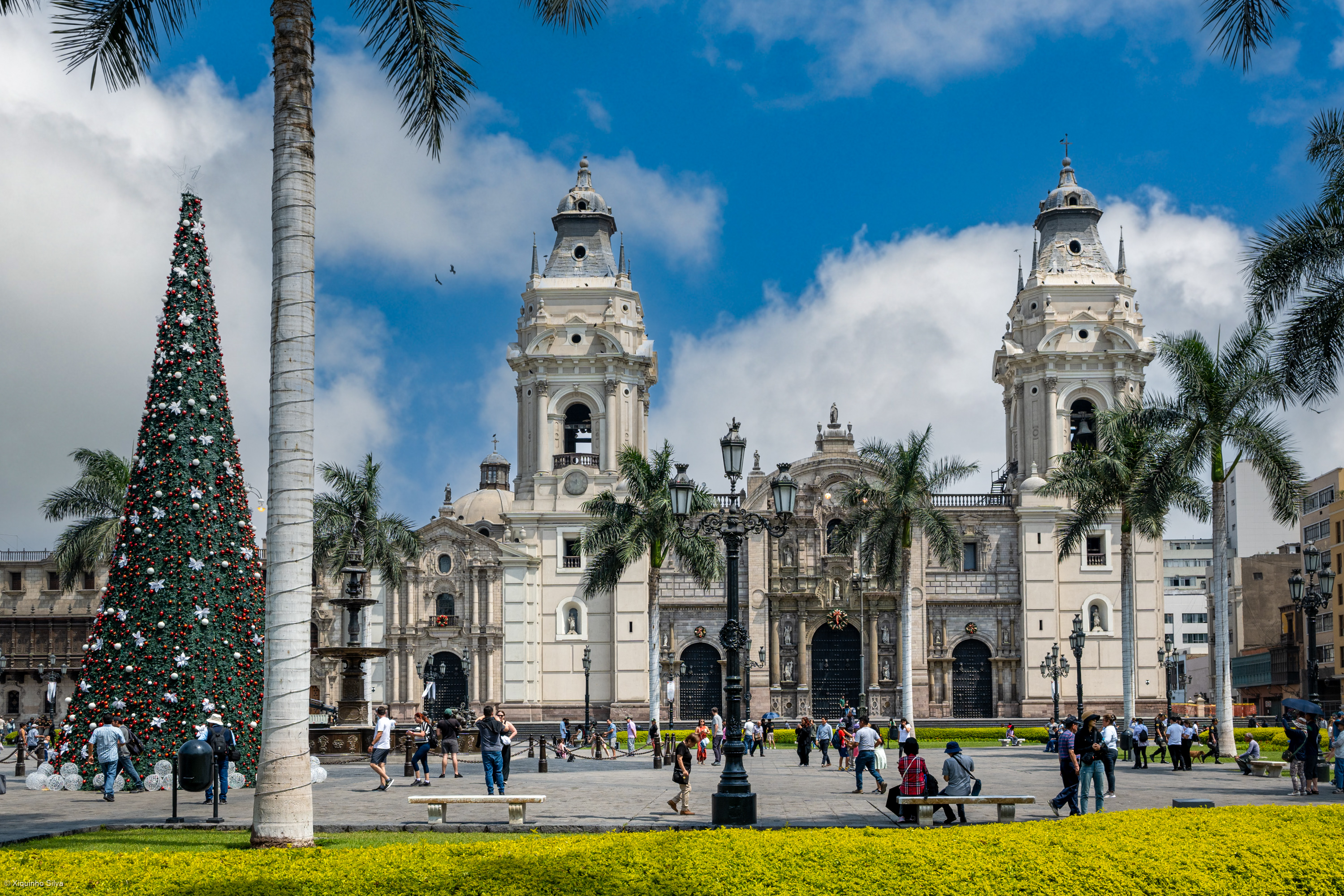
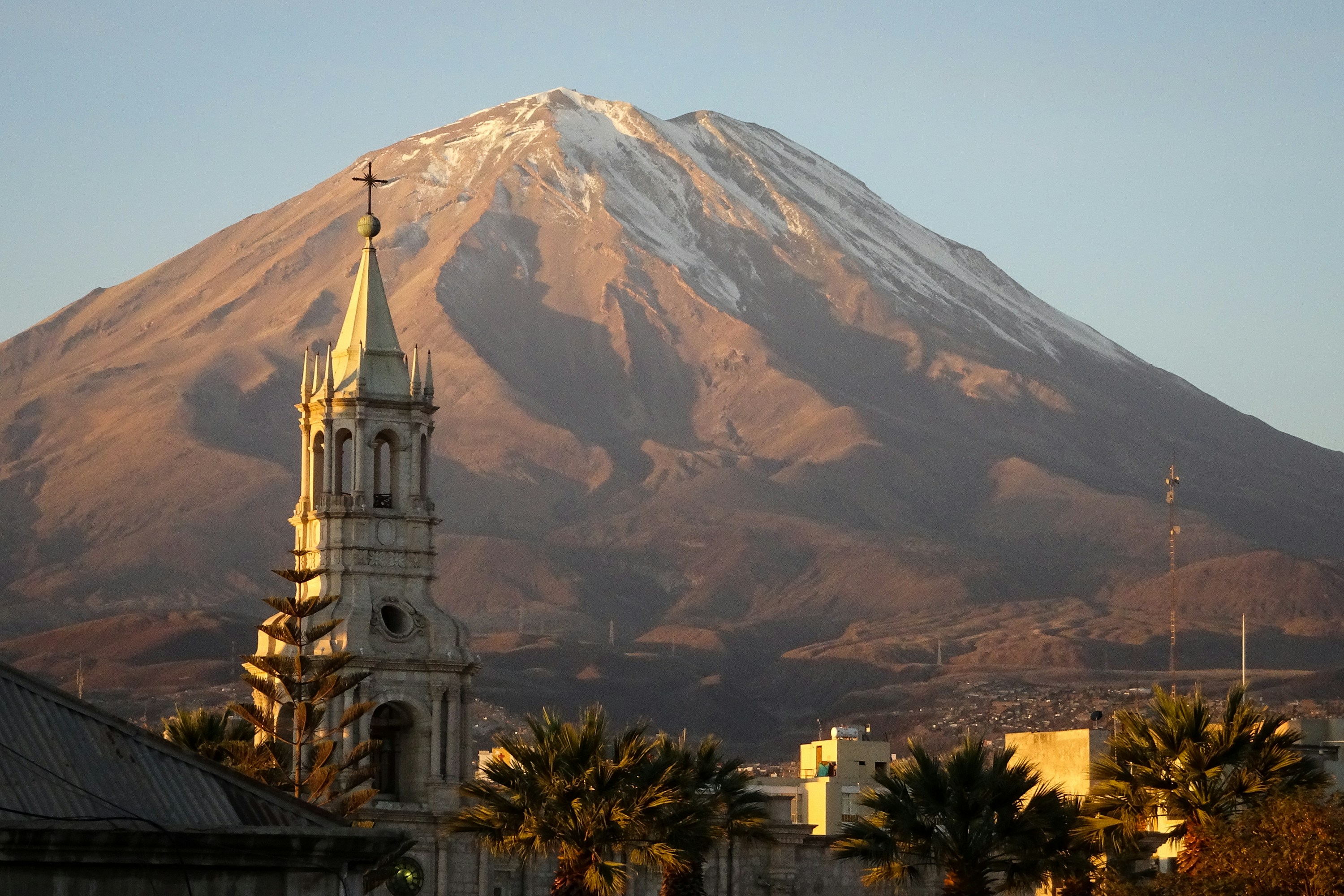
Lima at sea level, Arequipa at 2,300, the canyon at 3,300, the altiplano at 3,800. Each step gives the body time, and each one is worth seeing anyway.
The Sacred Valley is 600 metres below Cusco. Sleeping there first is the single change that most improves how people feel on the high days.
Inca Trail permits are capped and sell out months ahead, and the trail closes every February. That date fixes the rest of the itinerary.
Three ways into Peru
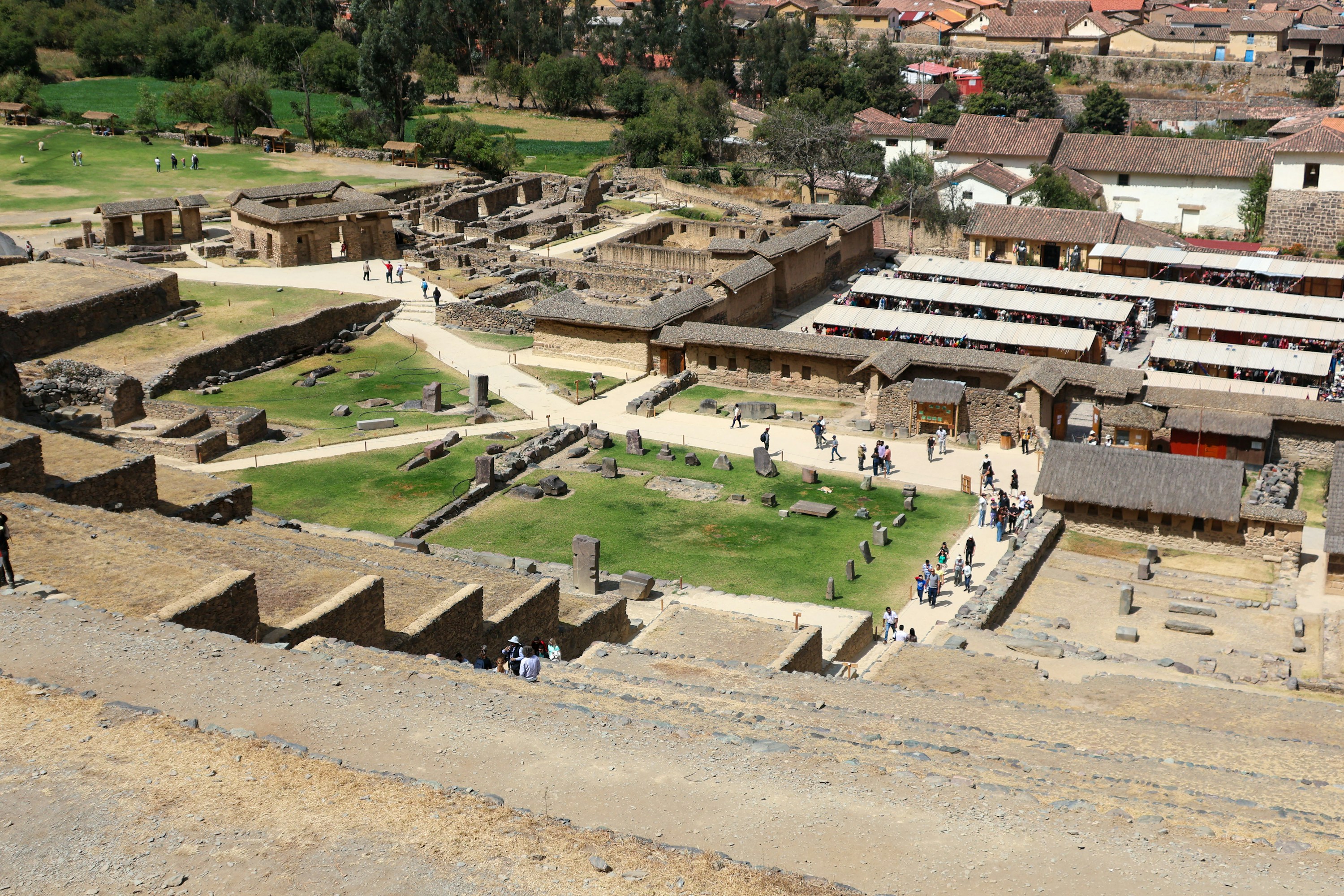
Watch condors rise out of the Colca, cross the altiplano to Titicaca's island communities, and walk the terraces the Inca cut above the Urubamba.
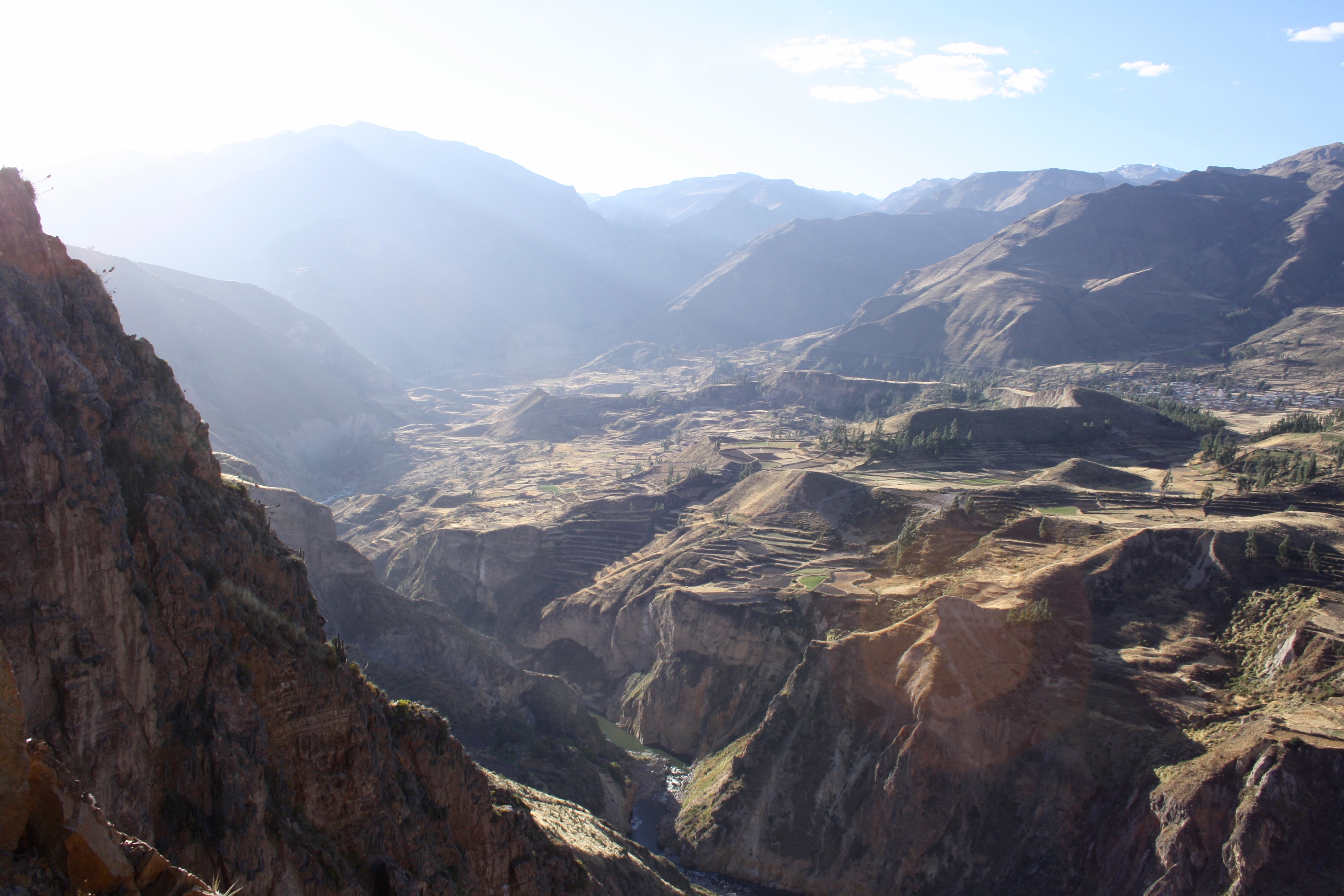
Southern Highlands
Condors on the morning thermals, above terraces that have been farmed continuously for fifteen centuries.
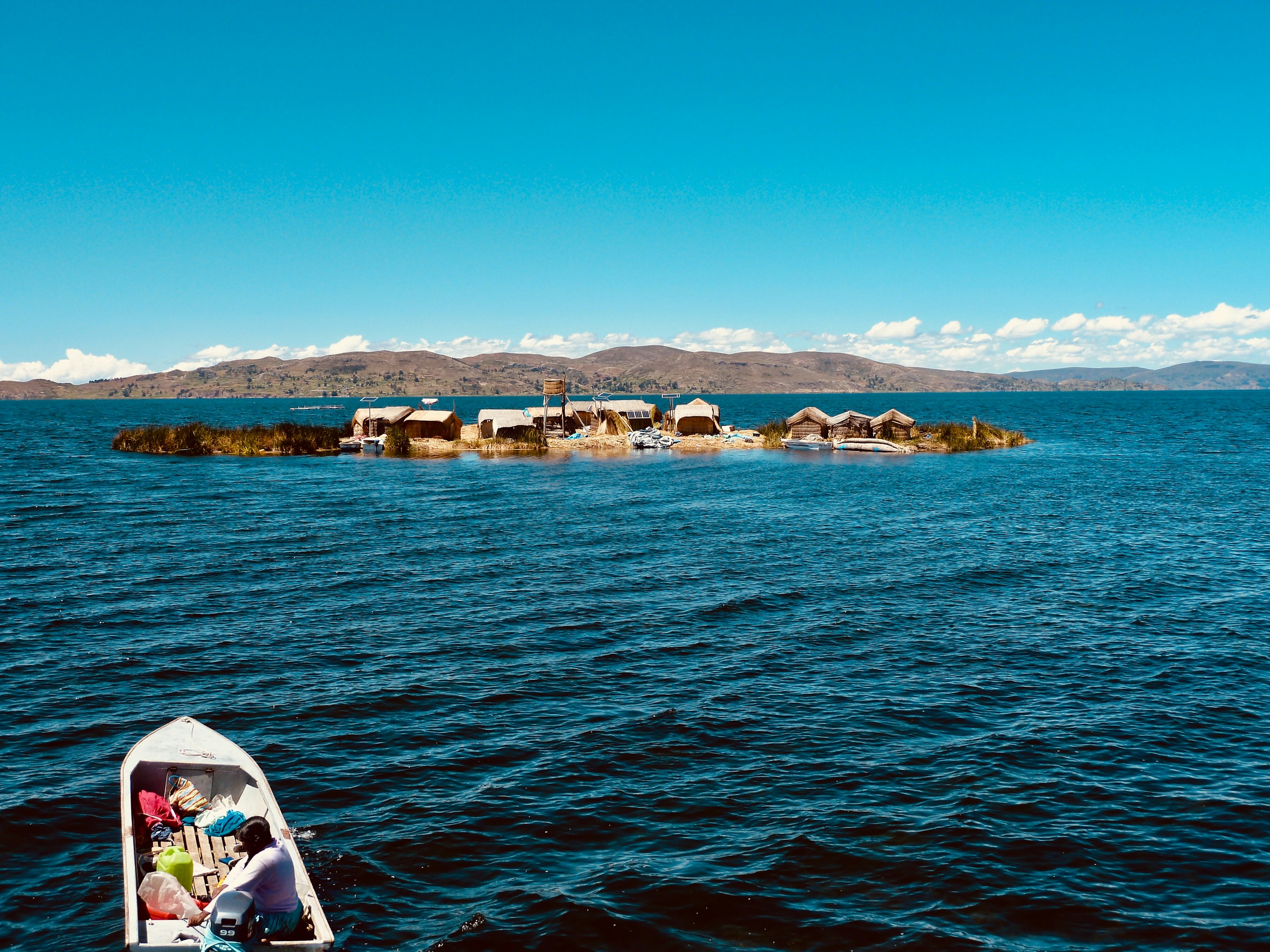
Altiplano
A cold blue inland sea at 3,810 metres, with island communities older than the Inca.
Cusco and the Sacred Valley
Warmer and lower than Cusco, terraced by the Inca, and the smartest place to sleep first.
Peru is the country travellers most often under-plan. The standard visit lands in Cusco, spends four days on the Machu Picchu circuit, and leaves believing it has seen the country. What it has seen is one valley.
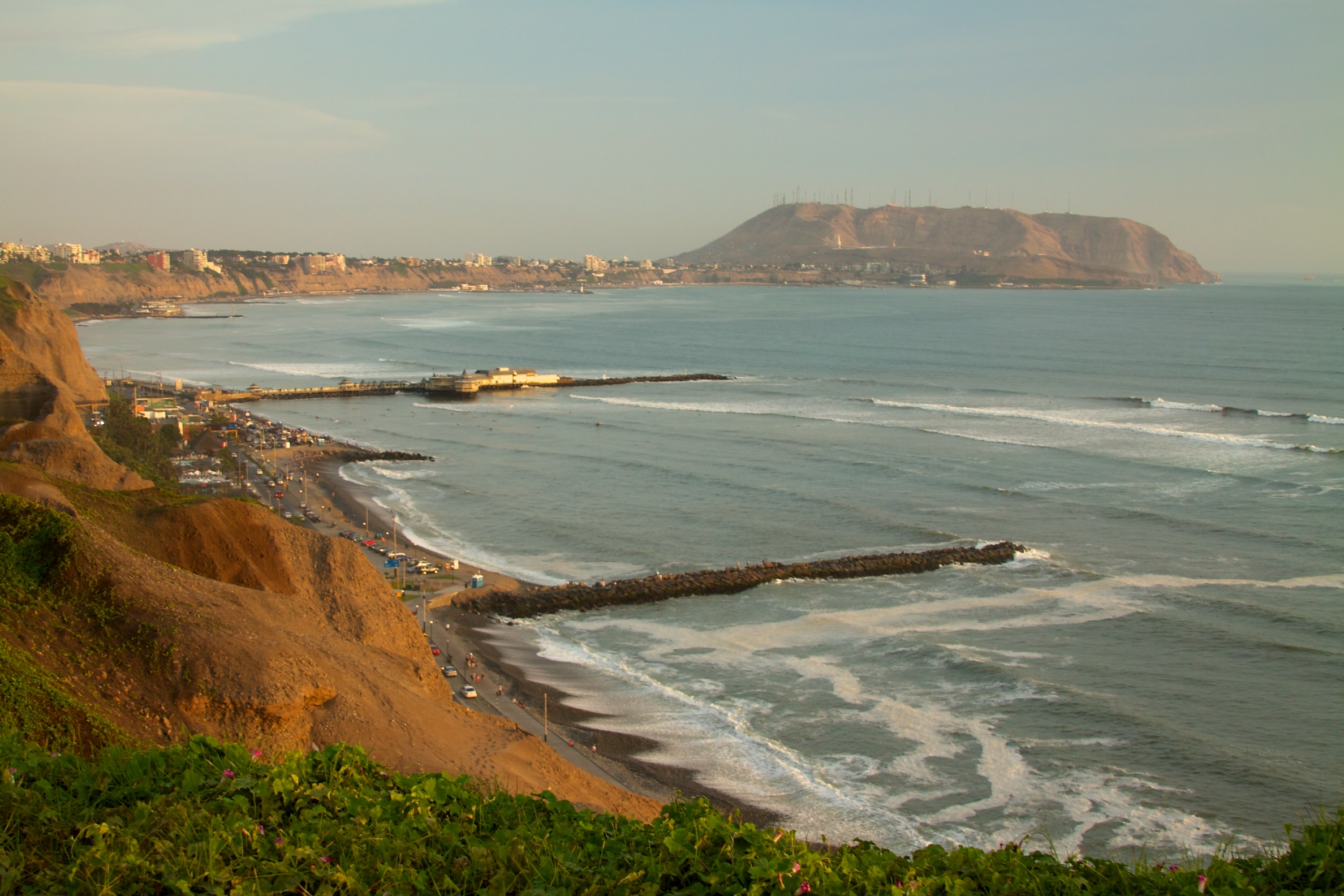
The line that actually explains Peru runs west to east: a desert coast where civilisations grew without rain, an Andean spine where Quechua towns still farm Inca terraces, and the cloud forest where the Amazon begins. Three countries inside one border.
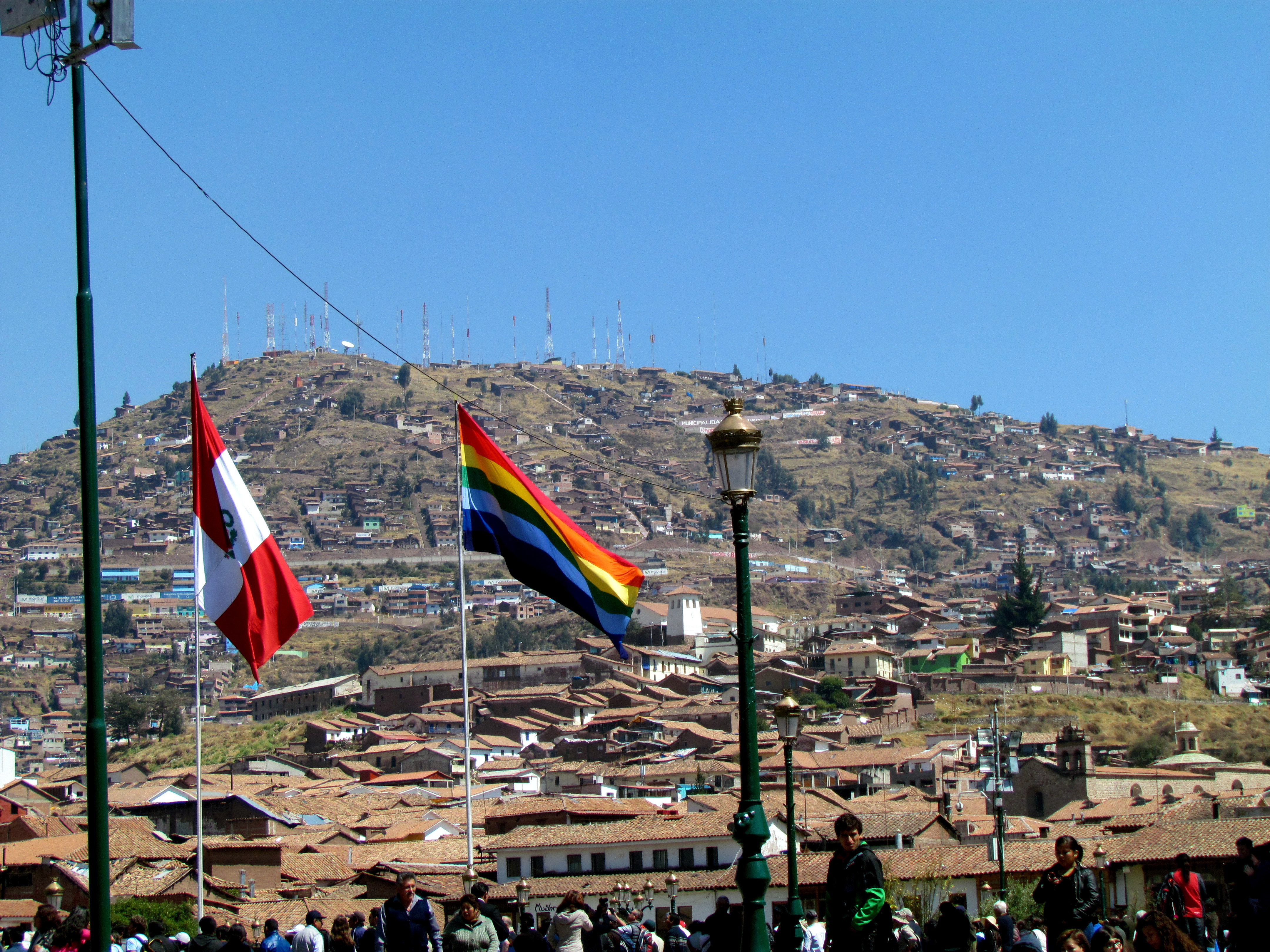
The altitude is what people plan worst. Cusco sits at 3,400 metres, and arriving there directly from sea level before a trek is how trips get ruined. Given three weeks the ascent can be built as a gradient rather than a shock, and the days that look slow on paper are exactly the ones that make the high passes possible.
When to go
Cold, bright mornings above 3,000 metres and reliable trekking weather. This is the only dependable window for the high passes and the Inca Trail, and the reason most of the route is planned around it.
Heavy afternoon rain across the highlands makes the high roads unreliable and closes the Inca Trail every February. The desert coast and the Amazon stay workable, so the journey changes shape rather than stopping.
Questions
Eighteen days is the shortest version that does not rush the altitude. Twenty-four allows the Inca Trail, the Amazon descent, and rest days around both.
Every February, for maintenance. Permits for the rest of the year are capped and typically sell out several months ahead.
Cusco is at 3,400 metres and the highest pass on the route is 4,900. Built as a gradient over several days it is manageable for most people; arriving straight from sea level and trekking immediately is not.
Contact
Every journey is planned individually; there is no fixed departure calendar.
Plan a Peru journey